REVIEW · BARBATE
Barbate: Boat Tour to the Almadraba of Conil (Tuna Fishing)
Book on GetYourGuide →Operated by Marine Atlantes · Bookable on GetYourGuide
Watching tuna fishing feels like theatre.
On this Barbate boat tour to the Almadraba of Conil, I love how the crew turns a technical, centuries-old setup into something you can actually picture, especially the way the nets, anchors, and timing work together. I also love the payoff: you get breakfast on the way out and a tuna tasting on the way back. One watch-out: this is a few hours on the water, so if you get seasick, plan ahead and ask about motion-sickness help.
This is also one of those trips where the details matter because you’re not just looking at fish—you’re seeing the gear in action, tied to tides and the bluefin tuna migration through the Strait of Gibraltar. The tour is run by Marine Atlantes, the only company authorized for this activity by the almadraba group and its tourist subsidiary. And if your guide is Charo, you’ll understand why people rave about the team’s energy and care.
In This Review
- Key highlights you should care about
- Why the Barbate–Conil route feels special
- Entering the Almadraba system: nets, anchors, and the big idea
- The crossing from Trafalgar Lighthouse to Conil
- The approach manoeuvre: why being 100 metres away matters
- The levantá moment: tides, sacada, divers, and the codend lift
- How tuna are handled: Lupara and Ikeyime
- Heading back to port: seeing unloading without the mess
- Food on board: breakfast out, tuna tasting back
- Price and value: is $225 worth it?
- Weather, tides, and the schedule reality
- What to bring and what to plan for on the water
- Where you stand matters more than you expect
- Who this tour suits best
- Should you book the Barbate–Conil almadraba tour?
- FAQ
- Where does the tour start?
- How long is the boat tour?
- What’s included in the price?
- What languages are available during the tour?
- What should I bring (and what is not allowed)?
- What happens if weather changes the tour date?
Key highlights you should care about
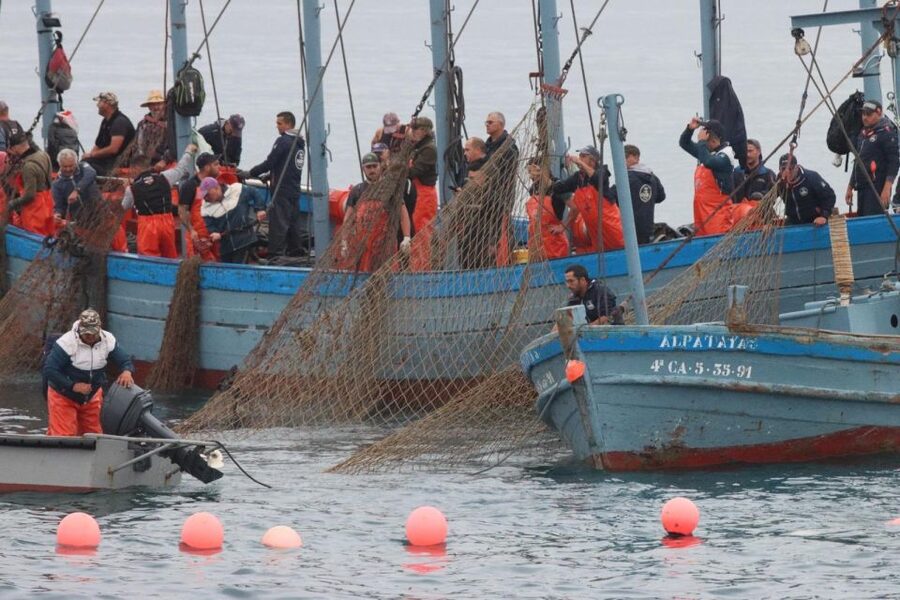
- Only authorized operator: Marine Atlantes is the one company approved for this Almadraba activity.
- Nets with a 3,000-year story: you’ll learn how the system evolved and how it operates today.
- You’ll understand the levantá: the timing of the approach and the codend lift is the whole show.
- Specific tuna-handling techniques: you’ll hear about Lupara and Ikeyime for minimal suffering and quality.
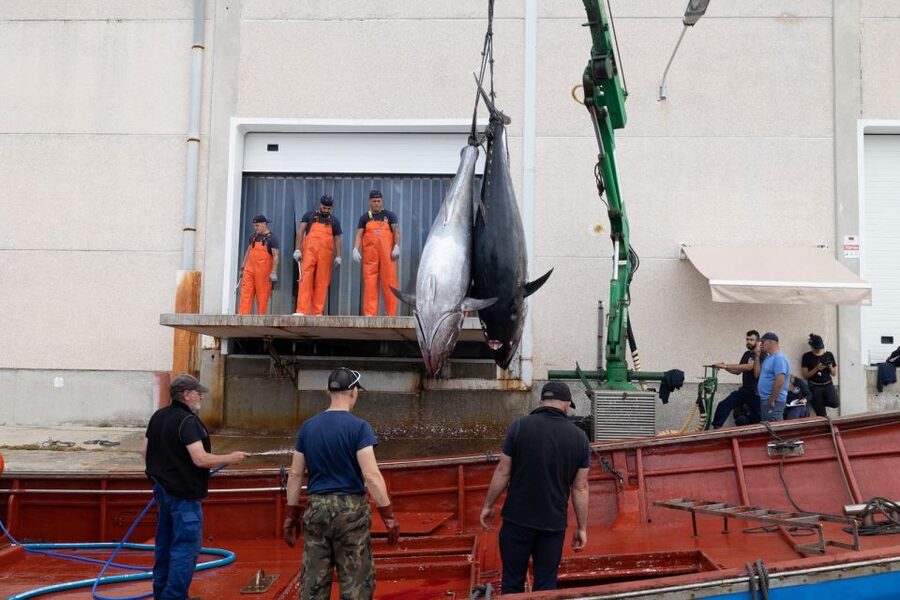
- Real port unloading to see the catch: you’ll return to watch unloading in port or from the factory boat.
- Food that matches the subject: coffee and pastries on the way out, plus tuna tasting with drinks on the way back.
Why the Barbate–Conil route feels special
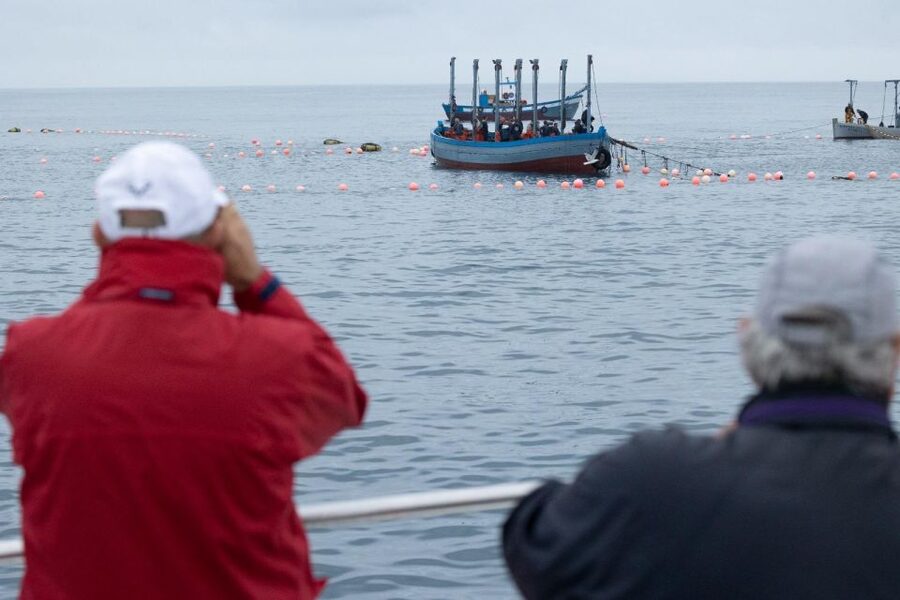
The Barbate to Conil almadraba tour is built around a simple idea: don’t just tell you what tuna fishing is—show you how it works. You start at Barbate Marina, then head out past the Trafalgar Lighthouse area and cross toward the fishing grounds. Along the way, the crew explains the bluefin tuna migration pattern through these waters, and how people have used that predictable route for thousands of years.
What makes this different from a generic “see wildlife” boat trip is the focus on structure and timing. The tour isn’t only about seeing the ocean. It’s about learning why the gear is arranged the way it is, how it’s positioned with help from big anchors, and what the crew is waiting for before anything meaningful happens.
You also get an educational layer that stays practical. Even if you’re not a fishing person, the language of the tour—codend, sacada, and the levantá moment—helps you track the sequence instead of just hoping for a good show.
Entering the Almadraba system: nets, anchors, and the big idea
The almadraba of Conil is a centuries-old trap system, and the tour gives you a guided walkthrough of its labyrinthine construction. You’ll learn how the nets are placed and how the overall structure funnels tuna toward a final section—the codend—where the capture process begins.
This is the kind of lesson that pays off later during the manoeuvre. Before the “big moment,” the crew sets the mental map: where the structure sits, why the boat needs to be a certain distance from the codend, and what role different parts play when the tuna are in position.
Here’s what I think you’ll appreciate most: the gear isn’t treated like magic. It’s treated like engineering plus nature. The Atlantic bluefin tuna migration is the trigger, but the trap still needs the right conditions—especially water movement and the exact tide change—to work.
The crossing from Trafalgar Lighthouse to Conil
Once you leave Barbate, you’re heading “across the Atlantic” toward the Almadraba de Conil. The crossing is about an hour, so you’re not stuck forever at sea before anything happens.
During this time, you’re guided through:
- the tuna’s long swim toward the Mediterranean
- the Strait of Gibraltar route
- how the trap operation connects to that migration timing
- what conditions decide whether the day’s fishing is successful
This is also where you’ll start building anticipation for the approach and lift. The crew isn’t just talking history; they’re explaining the operational sequence so when you see the boats and the net structure working, it actually makes sense.
The approach manoeuvre: why being 100 metres away matters
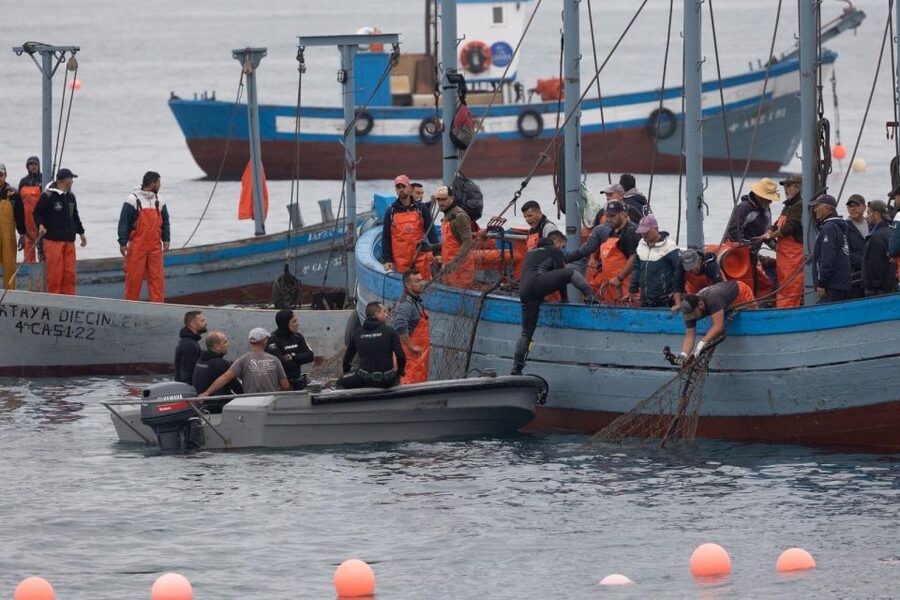
When the fishermen are ready, the boat starts the approach. The key detail is distance: you’ll position the boat about 100 metres from the codend, the final part of the whole trap structure.
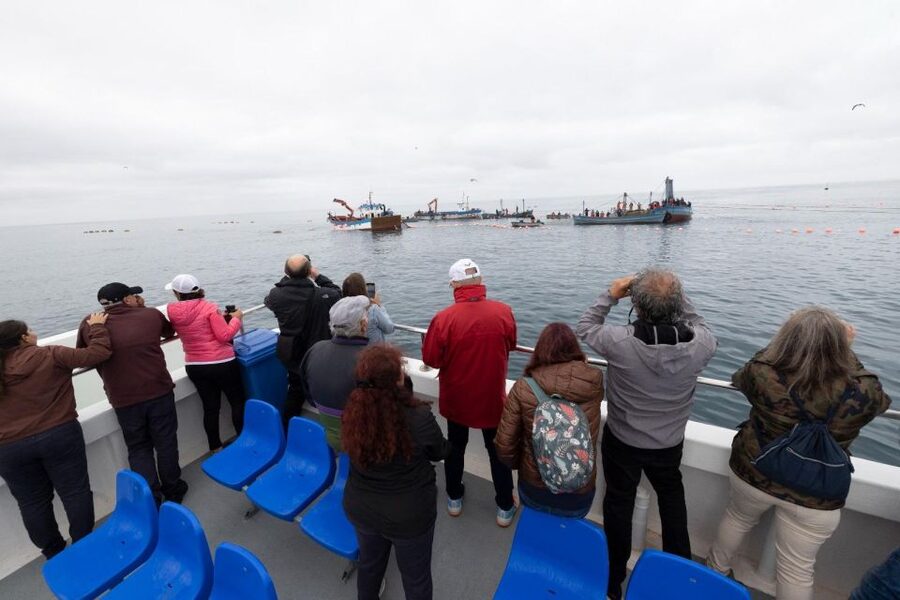
That distance matters because you’re not meant to interfere with the delicate fishing manoeuvre. In practice, it means your viewing is intentional. You’re far enough back to avoid disrupting the trap, but close enough to follow what’s happening and see how the system is being coordinated.
At this stage, you’ll hear what you’re going to witness before it happens. The crew also explains what factors control success, which is useful because it stops the whole event from feeling like luck. It’s a timing problem as much as it’s a fishing one.
The levantá moment: tides, sacada, divers, and the codend lift
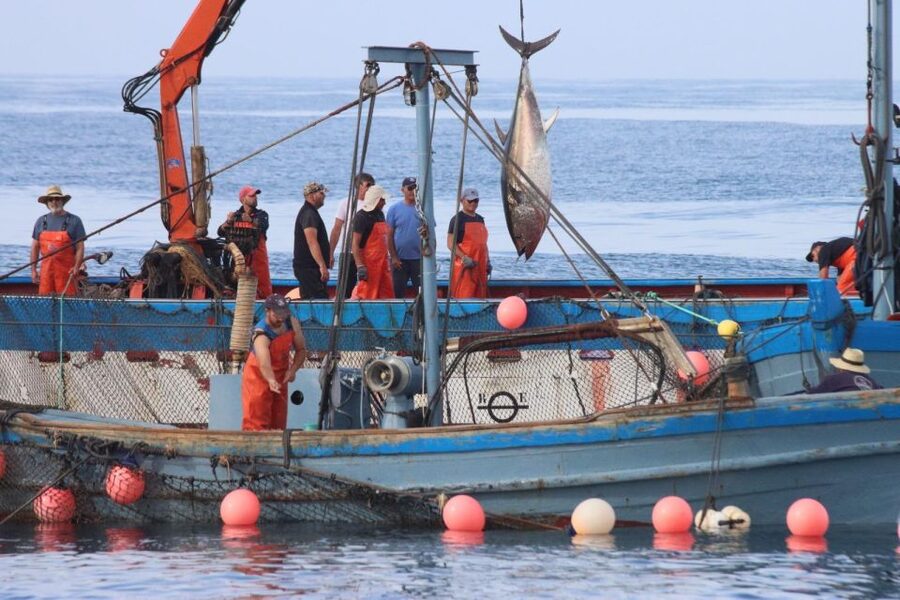
This is the heart of the experience. When the currents in the Strait calm down—and this is tied to the exact moment of the tide change—the manoeuvre begins.
From your vantage point, you’ll watch for:
- the boat called the sacada, where the trap crew assembles
- the divers the tour refers to as frogs, who signal when the tuna have passed under the boat
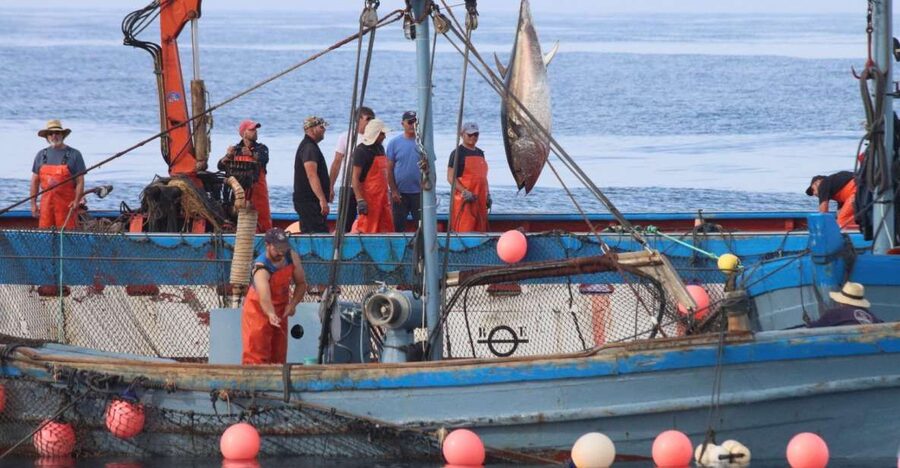
- the raising of the codend net once that signal comes through
The tour is very clear that this moment is vital. The success of the day depends on it, and you’ll understand why the crew treats the timing like a switch being flipped.
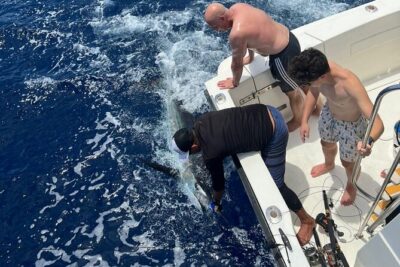
As the tuna are secured, you’ll also see the codend net being pulled and lifted from roughly 30 metres below. Then the sacada approaches the closing boats, while you can sense the activity above as the surface movement increases—what the tour describes as restless red giants near the surface.
If you like events with a real sequence—watch the setup, wait for the cue, then the action follows—you’ll enjoy this. It’s not random. It’s choreography tied to water conditions.
How tuna are handled: Lupara and Ikeyime
One thing I appreciate in this tour is that it doesn’t treat the catch as the only end goal. The crew explains slaughtering and handling techniques imported from Japanese culture, specifically:
- Lupara
- Ikeyime
The point, as it’s presented, is minimal suffering and maximum quality. That matters because bluefin tuna quality is the whole game for how it’s commercialized afterward.
You won’t just be told there’s a catch. You’ll get a window into why the fishing day doesn’t end at the net—it continues into handling and processing decisions that affect the final product.
Heading back to port: seeing unloading without the mess
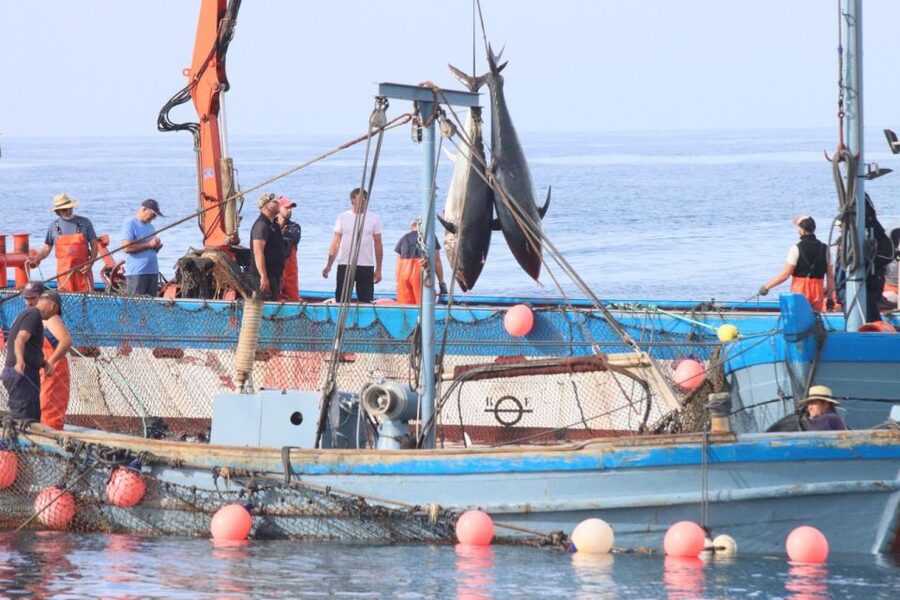
After the first boat leaves the codend and heads back with tuna in its holds, your group heads back to port as well. On the return, you’re not just going home. You’re waiting to see unloading.
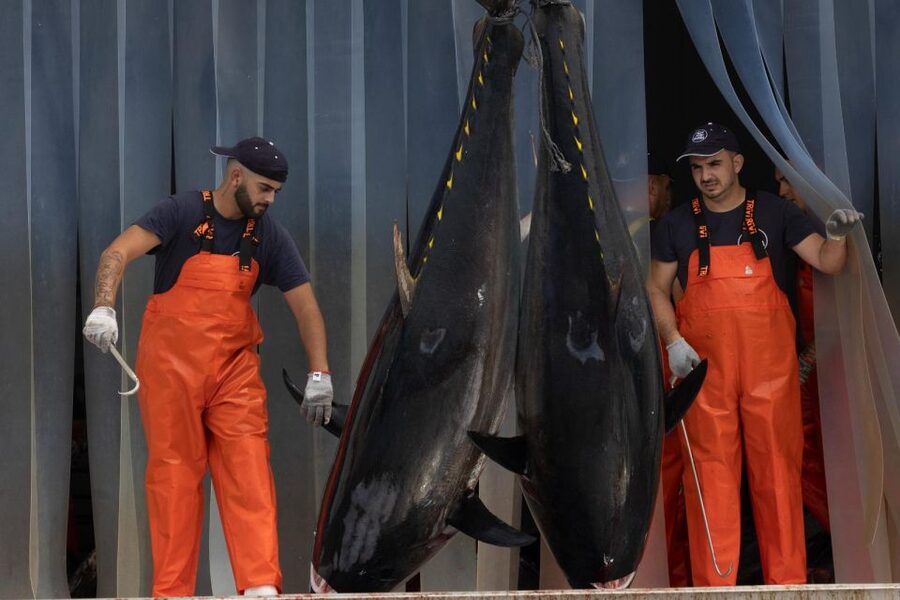
The tour specifically notes that you’ll watch unloading in port or from the factory boat, and that it is unloading rather than cutting up on-site. That’s a small detail, but it changes the feel. You’re focused on the catch and its transfer, not on gore or processing theatrics.
This is one of those practical experiences that helps you connect the earlier explanation of the gear to what happens when the fish reach the next stage.
Food on board: breakfast out, tuna tasting back
The tour includes:
- breakfast on the way out: coffee and pastries
- a tasting on the way back: tuna in different varieties with drinks
This works well because it frames tuna as more than a single product. The tasting part is the easiest way for you to translate the morning’s lesson into something you can taste. Even if you’re a cautious eater, the presence of drinks and the fact it’s a structured tasting makes it feel less like a random food stop and more like a wrap-up.
Also, the tour structure matters here. You’re fed, so you’re not dealing with hunger during the long mid-water waiting stretch.
Price and value: is $225 worth it?
At about $225 per person, this is not a cheap sightseeing outing. So here’s the value question: what are you paying for?
You’re paying for:
- an authorized, specialized operation run by Marine Atlantes
- fees corresponding to access to the Almadraba
- a tour guide plus an English audio guide
- a full boat experience including the return to port and unloading viewing
- breakfast and an included tuna tasting with drinks
If you compare this to general coastal boat tours, the cost makes sense because you’re not just watching from afar. You’re getting real access to a working fishing tradition and the operational explanation that makes it understandable. And the tuna tasting is included, which helps turn the experience into something tangible rather than just educational.
If you’re the kind of traveler who wants fish pictures only, you might feel the price is high. If you want to understand how a traditional bluefin trap system operates, you’ll likely see it as fair.
Weather, tides, and the schedule reality
This tour depends on conditions. Dates can change due to weather, and they recommend staying in the area for two or three days. That’s not a throwaway line—it’s what keeps the whole plan workable if conditions aren’t right for the visit on your selected day.
Also, the fishing quota allocated to the almadraba marks the end of the season, so bookings should be made as early as you can. In other words: you’re not just planning a boat trip. You’re planning around a limited, seasonal window.
The practical takeaway: if you only have one day in town, you’re taking a risk. If you can flex your schedule, your chances of actually seeing the operating day are much better.
What to bring and what to plan for on the water
For this kind of trip, packing smart beats packing heavy. Bring:
- your passport or ID card
- a sun hat and sunscreen
- comfortable clothes
- binoculars
Binoculars help because you’ll be watching a manoeuvre with key boats and the codend lift from a set distance. Even decent eyes do better with a little magnification.
What’s not allowed includes pets, weapons or sharp objects, drones, and food. It’s a working fishing environment, so keep it simple.
One more practical note: if you’re even mildly prone to motion sickness, plan for it. One person specifically advised taking Biodramina if the sea is moving, because several hours on the water can feel rough if you’re queasy.
Where you stand matters more than you expect
The tour involves positioning the boat about 100 metres from the codend. That means your ability to see the right action depends on where you choose to stand and how the boat is oriented during the approach.
If the crew’s visibility explanation feels too fast, you might find yourself wanting clearer guidance on where to go for the best view. So do this: at the start of the fishing approach, ask the guide or crew where they expect you to watch during the key phases.
It’s a small move that can turn an OK view into a genuinely satisfying one.
Who this tour suits best
This is a good fit if you:
- enjoy hands-on explanations and precise sequences
- like traditional maritime practices, not just animal spotting
- are curious about why the tuna route through Gibraltar matters
- want a included tasting that matches the theme
It might be less ideal if you:
- hate waiting on boats for several hours
- know you get motion sickness easily and haven’t planned for it
- are expecting lots of time for lounging or casual wandering rather than guided viewing
Should you book the Barbate–Conil almadraba tour?
If you want a story you can explain—nets, tides, timing, and how tuna are handled—book it. I especially like that the tour is tied to an authorized operator and a working tradition, with food included and a tasting that lets you take the experience home.
But be honest about the water part. You’re on a boat, and conditions can change. If you’re seasick-prone, go prepared. And if your travel days are tight, plan extra time in Barbate so weather doesn’t steal your chance.
FAQ
Where does the tour start?
It meets at Puerto Deportivo, s/n, 11160 Barbate, Cádiz.
How long is the boat tour?
The duration is 4 hours.
What’s included in the price?
You get the boat visit to the Almadraba of Conil de la Frontera, fees for access, a tour guide, unloading of the tunas in port or on the factory boat, breakfast (coffee and pastries), and a tuna tasting with drinks. An English audio guide is also included.
What languages are available during the tour?
The live guide is available in Spanish and English, and the audio guide is in English.
What should I bring (and what is not allowed)?
Bring your passport or ID card, sun hat, sunscreen, comfortable clothes, and binoculars. Pets, weapons or sharp objects, drones, and food are not allowed.
What happens if weather changes the tour date?
Tour dates can change due to weather. They recommend staying 2–3 days in the area so you have flexibility to move forward or postpone by one day, and you’ll be notified as early as possible.