REVIEW · TOKYO
Boat Fishing Activity in Central Tokyo
Book on Viator →Operated by Amazing Tokyo Fishing Tour · Bookable on Viator
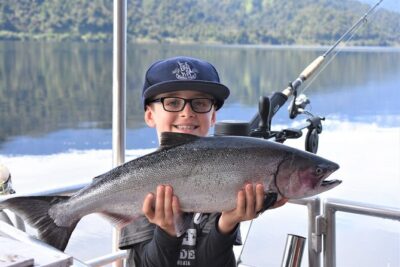
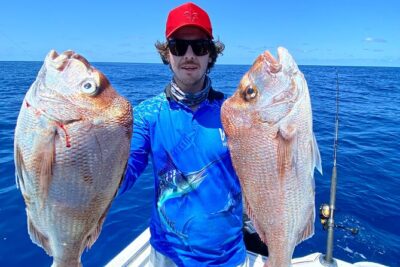
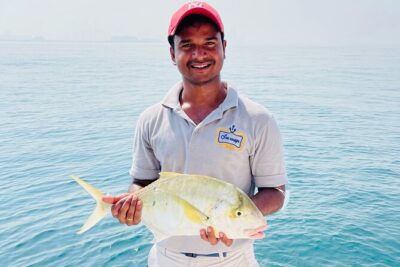
Tokyo hands you a fishing rod fast. This boat fishing in central Tokyo turns a calm Tokyo Bay morning into a hands-on game, and the fish you catch can even be eaten raw. Horse mackerel is the target, so you’re not guessing what you’ll pull up.
I love that the guide works in English, so first-timers aren’t stuck translating every little step. I also like the built-in convenience of a hotel pickup and a clear schedule that gets you fishing soon after you start the day.
One thing to consider: you’ll want to plan for an early start and come ready with food, because snacks aren’t included and you’re out on the water for a few hours.
In This Review
- Key things to know before you go
- Tokyo Bay at Dawn: Why This Boat Fishing Feels So Local
- Horse Mackerel Fishing 101, With English Guidance
- The Morning Plan: Pickup, Fishing Hours, and Getting Back to Ginza
- What You Catch: Why Eating Raw Fish Is the Big Draw
- Included vs Not Included: Gear, Snacks, and the Optional 20,000 Yen Add-On
- Small Group Energy: More Hands-On Time on a Max-5 Boat
- Safety and Weather: Ponchos, Outdoor Reality, and Insurance
- Price and Value: Is $405 Worth It for Tokyo Bay Fishing?
- Who This Boat Fishing Trip Best Suits
- Should You Book This Tour?
Key things to know before you go
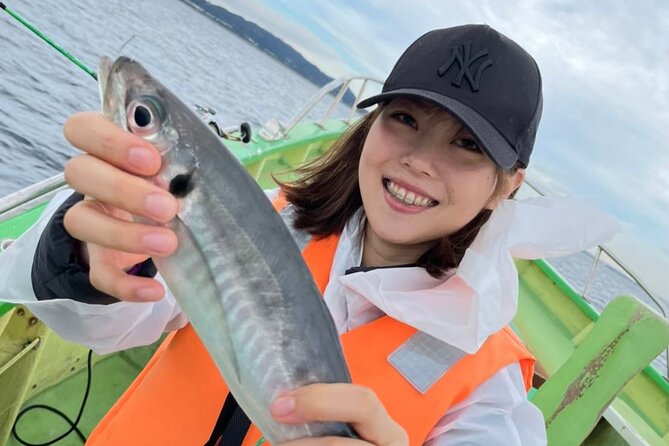
- Tokyo Bay horse mackerel fishing with a straightforward, easy approach
- Catch more than 20 fish is a real possibility on this trip
- English guidance from staff who may use a translation app
- Small group size (max 5 travelers) for more attention on the water
- You can eat your catch raw, including horse mackerel sashimi-style
- Bring your own snacks and drinks; you can buy basics at vending machines first
Tokyo Bay at Dawn: Why This Boat Fishing Feels So Local
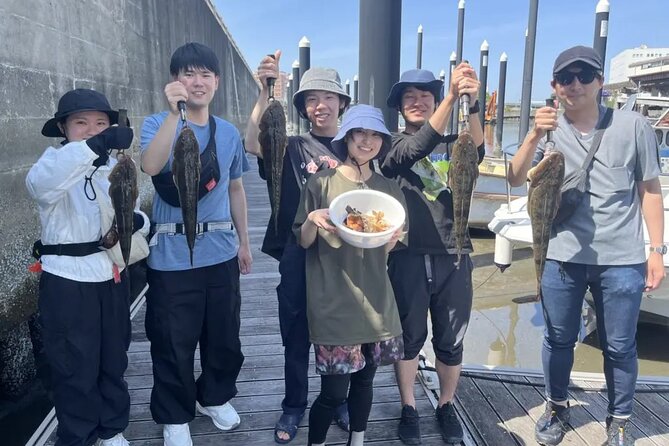
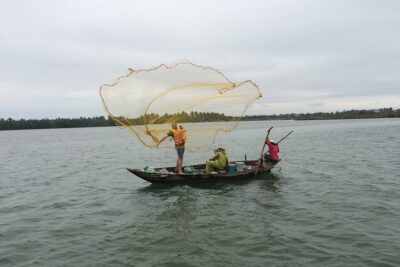
Boat fishing in Tokyo is one of those activities that feels surprisingly down-to-earth. You’re not just watching from the shore. You’re on a working fishing boat in Tokyo Bay, learning the rhythm of bait, casting, and reeling with the city skyline in the background.
What makes this stand out is the focus on horse mackerel and the way the experience is paced for beginners. This isn’t a complicated specialty sport where you need to already know your knots and tides. The goal is simple: get you fishing, then keep it fun.
It also helps that the experience is set up like a friendly contest. Even if you’re fishing for the first time, the trip encourages you to compete with family or friends on how many fish you can catch and how close you can guess. That little game layer is what turns a normal morning into a memory.
You can also read our reviews of more tours and experiences in Tokyo.
Horse Mackerel Fishing 101, With English Guidance
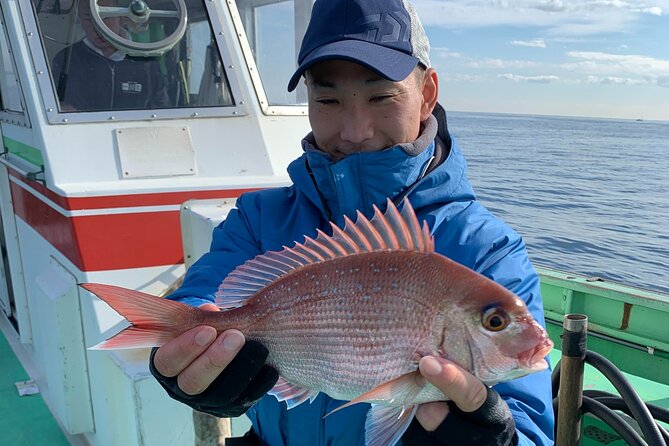
The target fish is horse mackerel, commonly caught from spring through autumn as schools move into the bay. It’s also the fish many Japanese households know well, which matters because the tour doesn’t treat the catch as a mystery prize. You’re fishing for something that has real food value.
Horse mackerel is popular for a reason. It can be eaten in multiple ways, including sashimi, grilled fish, tempura, and tartar. That variety is a big part of why this activity is more than just catching fish. It’s catching fish you can actually understand and imagine eating.
The guide’s job is to teach you how to fish in English. From the trip description, the instruction level is built for people who’ve never fished before. The experience is described as very easy, and small children can join too, which usually means you won’t be dealing with heavy, technical gear or hard-to-follow steps.
One note on communication: the English-speaking staff is Japanese, and they may use a translation application. That’s not a deal-breaker. In practice, it often means you’ll get clear, repeatable instructions fast, especially for basic actions like baiting and casting.
The Morning Plan: Pickup, Fishing Hours, and Getting Back to Ginza
The day is structured to get you on the water early. The schedule is roughly:
- Hotel pickup around 5:30 (times can shift by season)
- Fishing start around 7:30
- Fishing ends around 11:30
- Return/tour end around Ginza Station by about 13:00
There’s also a stated start time of 6:00 am, so plan for early pickup and be ready the moment your driver arrives. Tokyo mornings move quickly, and this tour clearly expects you to start early enough to catch the best fishing window.
What I like about this timing is that it gives you a full morning activity, but you’re still back in the city in time for lunch and normal sightseeing plans. If you’re staying near central Tokyo, ending at Ginza Station is a practical bonus. It’s a convenient hub for trains, taxis, and connecting to other parts of town.
Also, the tour mentions that times may change depending on the season. That’s normal for outdoor activities and boats. The important takeaway: don’t plan a tight appointment right before your pickup, and keep some flexibility for weather-based adjustments.
What You Catch: Why Eating Raw Fish Is the Big Draw
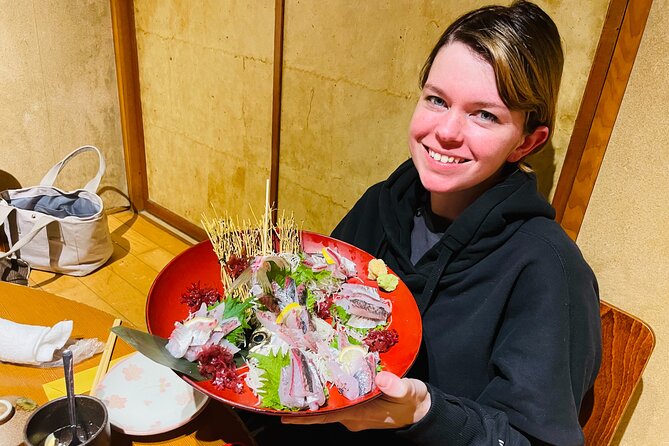
This is the part that makes the trip memorable. The experience says you can enjoy eating the fish you catch raw. For many people, that’s the moment the whole morning clicks: you’re not collecting souvenirs. You’re collecting dinner.
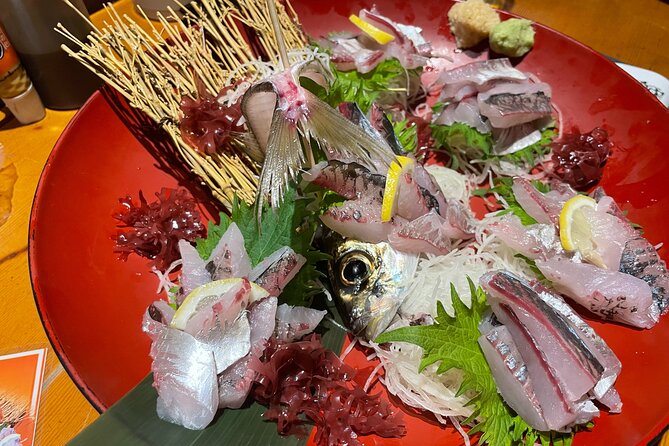
Horse mackerel is the star here, and it’s a fish that fits raw preparation well. The description specifically points to sashimi as one of the ways it can be enjoyed. Even if you’re not normally a raw-fish person, this gives you a chance to try something that connects directly to what you just did on the boat.
Another benefit: the trip frames the catch numbers as a fun challenge. It’s not unusual to catch more than 20 fish, and the experience even notes it’s not rare. That matters because raw-fish experiences can feel intimidating when you’ve caught nothing. If your hands are actually bringing in fish regularly, the food part feels more realistic and less like a novelty promise.
Just be smart about how you handle food and follow any guidance you’re given once the fishing is done. You’re dealing with seafood freshness, so the tour’s process is the reference point. If anything about handling, storage, or eating raw feels unclear, ask immediately on the spot.
Included vs Not Included: Gear, Snacks, and the Optional 20,000 Yen Add-On
Here’s the clean breakdown of what you get and what you’ll need to plan for.
Included:
- A guide to fishing in English
Not included:
- Snacks (you should prepare items like bread, rice balls, snacks, and drinks in advance)
- Fishing tackle
- Private transportation
Optional add-on (at 20,000 yen per person):
- Fishing tackle
- Transportation to and from your hotel
This is one of the few parts where value really depends on you. If you’re staying in a spot where public transit works well and you’re comfortable handling the basics of getting to the launch point, you may not need the private transport add-on. But if you want the day to feel simple and stress-free, the add-on can be worth it.
The tackle situation also matters. If you don’t want to figure out gear details, paying the extra 20,000 yen can remove friction. On the other hand, if tackle logistics are easy for you, you can save money and spend it on something else in the city after you’re done.
Food is the area where people most often get caught off guard on morning outdoor tours. The description is very direct: bring snacks and drinks, and you can also use vending machines to buy items before fishing. That’s useful, but it doesn’t replace planning. Bring what you actually like to eat, especially if you’re traveling with kids.
Small Group Energy: More Hands-On Time on a Max-5 Boat
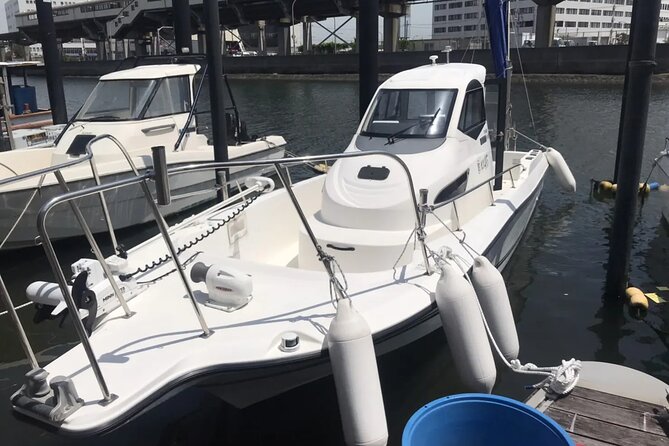
This tour caps at 5 travelers, and that’s a big deal. Smaller groups usually mean you can get corrections and guidance when something doesn’t work. With fishing, small adjustments matter fast—line angle, bait placement, timing, and how you respond when a fish bites.
It also changes the vibe. Instead of feeling like a crowd activity, it feels like you’re doing something with a small crew. That’s especially nice if you’re traveling with family. The trip encourages friendly competition, which is easier when you’re not trying to “perform” in front of a large group.
And because the experience is designed to be easy, a smaller group makes it more comfortable to ask questions. You’re not stuck waiting your turn while the boat is already moving through the next step.
Safety and Weather: Ponchos, Outdoor Reality, and Insurance
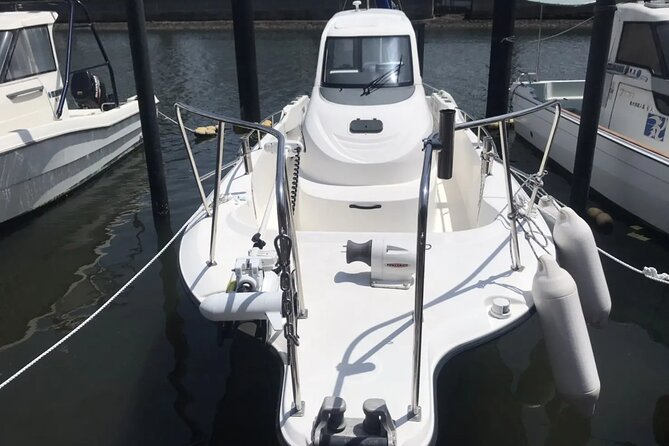
The tour notes that Japanese fishing boats are very safe. Still, it’s an outdoor activity with real risks, like slips on wet surfaces and normal boat movement. You’re expected to carry comprehensive travel insurance to cover unexpected accidents.
Weather is another practical reality. If it rains, you’ll get basic ponchos and the fishing tour proceeds as planned. That means you should dress like you expect wet conditions and bring layers that handle cool morning air.
There’s also a weather safety net: if the experience is canceled due to poor weather, you’ll be offered another date or a full refund. Outdoor activities sometimes shift, and this tour tells you in advance how that will be handled.
My advice: bring a light rain layer or waterproof bag for your phone. Ponchos help, but they don’t solve everything. You’ll be happier if your valuables are protected and you’re not wearing clothes that get soaked instantly.
Price and Value: Is $405 Worth It for Tokyo Bay Fishing?
At $405 for a 7-hour experience, the first reaction is usually, that’s not cheap. But value isn’t just the sticker price. You’re paying for four things that add up:
- Local, hands-on instruction in English (not just a self-guided activity)
- A guided boat experience that you can’t easily recreate on your own as a visitor
- A high-likelihood fishing outcome (the trip suggests catching 20+ fish is possible)
- A meal-style experience tied to eating what you catch raw, specifically with horse mackerel
The math gets clearer when you compare this to the cost of trying to organize your own boat fishing session with gear, staff, and a beginner-friendly setup. For many people, what you’re really buying is the removal of friction: transportation coordination, teaching, and a guided structure.
Then there’s the optional add-on. If you choose the 20,000 yen per person upgrade, some of the value shifts from “you pay for instruction” to “you pay for a fully packaged day.” For travelers who want ease, that packaging can be a good deal.
If you want to keep costs down, you can skip private transport and tackle—just be honest with yourself about how comfortable you are handling gear and logistics early in the morning.
Who This Boat Fishing Trip Best Suits
This trip fits best if you want a fun, low-stress Tokyo activity that actually ends with something tangible in your hands. It’s especially good for:
- First-time fishers who don’t want to study for weeks
- Families, including small children, since the fishing is described as very easy
- Groups of friends or relatives who like a friendly competition format
- Food-minded travelers interested in Japanese cooking and sashimi-style eating
If you’re an experienced angler looking for rare trophy species or long technical sessions, this may feel more beginner-focused than hardcore. But if your goal is a memorable Tokyo morning with real participation, it’s a strong match.
Also, if you’re traveling in central Tokyo and want a half-day adventure that doesn’t swallow your whole trip, ending near Ginza Station helps you keep your schedule flexible.
Should You Book This Tour?
Yes, if you want a genuinely active Tokyo Bay experience and you like the idea of eating what you catch. The big selling points—English guidance, an easy learning curve, and a realistic chance of catching lots of horse mackerel—are exactly what you want when you’re trying a hands-on activity for the first time.
I’d say book it especially if you’re traveling with kids, because the tour is designed to be approachable and not intimidating. It also helps if you value structure: pickup, set start and end times, and a clear plan mean you won’t spend your morning wondering what to do next.
Skip it or reconsider if you hate early mornings, don’t like the idea of preparing your own snacks and drinks, or you’re hoping tackle and food are fully handled for you. In that case, the optional 20,000 yen add-on for tackle and transportation may be the better route, since it reduces the work you’ll need to do yourself.
If you’re reading this, you’re probably the type who wants more than a photo stop. This tour delivers that, with a Tokyo twist: catch fish, then eat them raw.