REVIEW · EL PAREDON
El Paredón: Mangrove Boat Tour with Optional Fishing
Book on GetYourGuide →Operated by Guatemala Travel Guide · Bookable on GetYourGuide
Mangroves sound calm, then they get lively fast. On this El Paredón boat tour in Guatemala’s Escuintla Department, you’ll glide through the country’s third-largest mangrove ecosystem and get real explanations from a local guide. I especially like the hands-on mangrove planting and the up-close birds, fish, and crab spotting you’re likely to notice once the boat slips deeper into the mangroves.
The main thing to consider is language and comfort. The live guide is Spanish-only, so if you rely on lots of English, you’ll want to keep your expectations realistic. Also, bring insect repellent and sun protection, because you’re out for 90 minutes in full daylight at 8:00 AM or 4:00 PM.
In This Review
- Key highlights worth planning around
- Why El Paredón mangroves are the star of this 90-minute tour
- Timing with purpose: 8:00 AM vs 4:00 PM
- From welcome drink to boat briefing: how the tour starts
- The mangrove cruise you came for: birds, fish, and crabs
- How the guide handles Spanish (and still keeps it fun)
- Plant your own mangrove: conservation you can actually touch
- Optional fishing experience: when it’s best and what to expect
- Price and value: what $55 gets you in real terms
- What to bring so you don’t spend the tour wishing you had
- Who should book this tour (and who should skip it)
- Should you book the El Paredón mangrove boat tour with optional fishing?
- FAQ
- How long is the El Paredón mangrove boat tour?
- What time does the tour depart?
- Is fishing included, or is it an extra cost?
- When is the best time to go for fishing?
- What language is the tour guide?
- What should I bring?
- Is the tour private?
- How will I find the pickup point?
Key highlights worth planning around
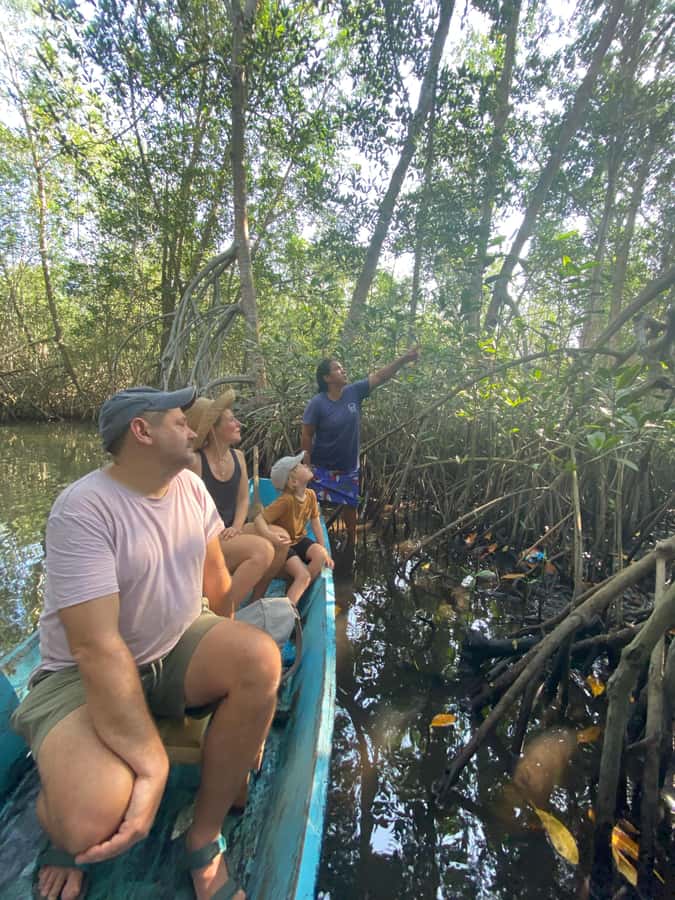
- Third-largest mangrove ecosystem in Guatemala: You’re not just on a river loop; you’re touring a major mangrove system.
- A guide who connects the dots: You’ll learn about local wildlife and vegetation, plus stories about El Paredón’s history.
- You plant a mangrove: This isn’t only viewing; it’s an active conservation moment.
- Optional traditional fishing: Included at no extra cost, using community-style techniques.
- Private group experience: You get a more personal pace and a better chance to ask questions (in Spanish).
Why El Paredón mangroves are the star of this 90-minute tour
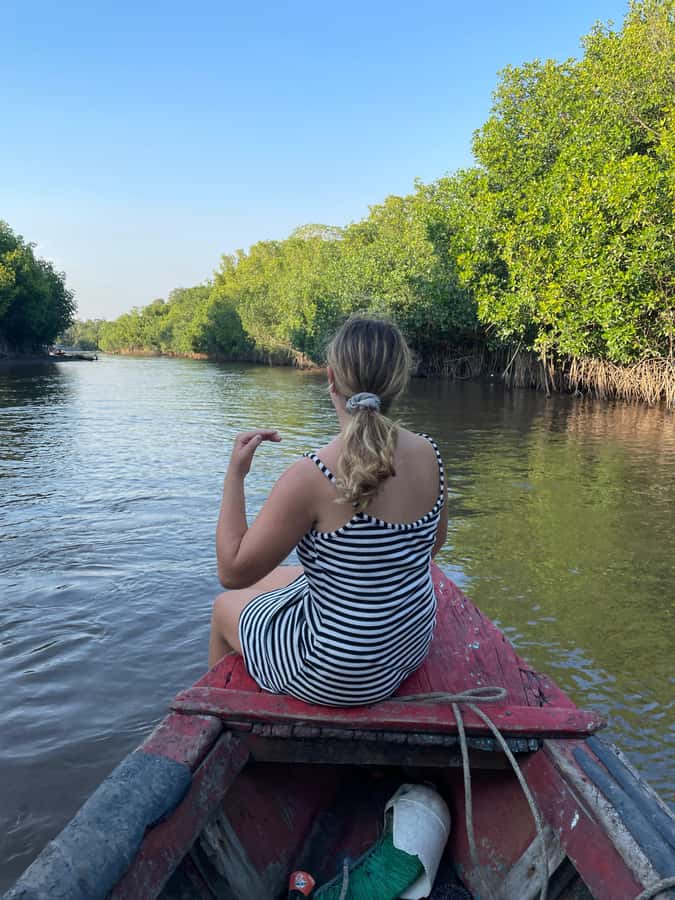
El Paredón is known for water that stays busy with life. This tour leans hard into that. You start with the boat ride through mangroves and end with stories, meaning, and a chance to physically take part. It feels like the guide is helping you read the place, not just pass time on the water.
What makes it work is the combination: you get wildlife viewing plus ecology lessons plus local history. One moment you’re scanning for movement in the water and the branches, and the next you’re hearing how people understand these ecosystems. That mix is why the experience lands for most visitors, even if you don’t speak much Spanish.
The other big reason I’d call it good value: the tour includes the conservation action (planting your own mangrove) and the optional activity (fishing) without charging extra. At $55 per person for a 90-minute private group, you’re paying for guidance, a boat outing, and a hands-on component—not just scenery.
Timing with purpose: 8:00 AM vs 4:00 PM
You have two departure options: 8:00 AM or 4:00 PM. Both start the tour with a boat ride through the mangroves, so your main decision is how you want your day to feel.
- Morning (8:00 AM): Often suits you if you like getting things done early and want cooler start conditions. It also pairs nicely with a full day in El Paredón after the tour ends.
- Afternoon (4:00 PM): Works if you like a later start and prefer not to rush your morning. The tour still runs about 90 minutes, so you won’t lose half your day.
Either way, plan for sun. The tour info is clear on what you should bring—sun hat, water, sunscreen—so you’ll likely spend time exposed while you’re on the boat and listening.
From welcome drink to boat briefing: how the tour starts
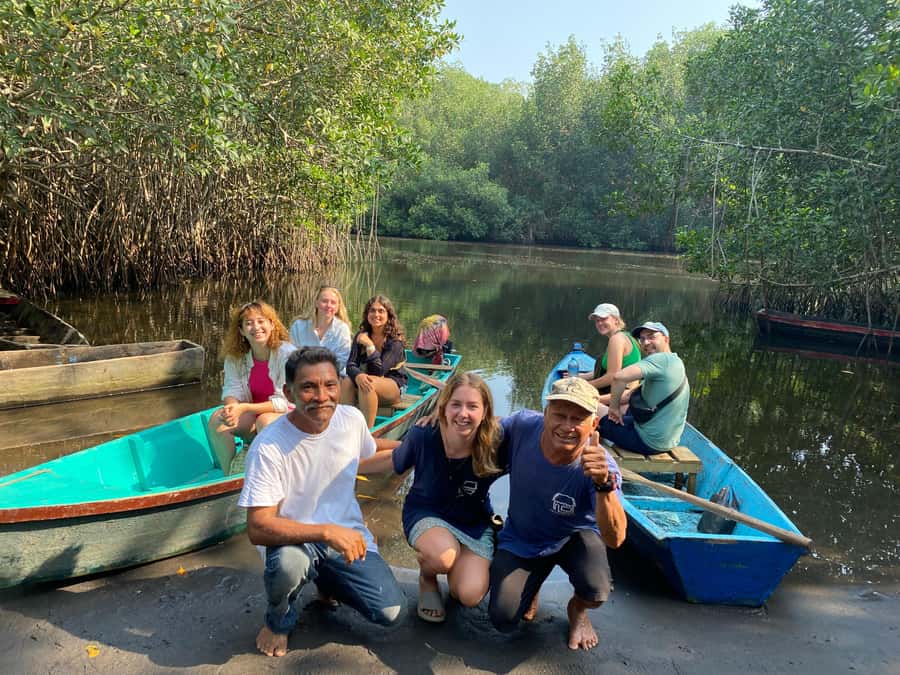
This tour is designed to be easy to find and low-stress once you’re in El Paredón. Meeting points are close to many hotels in town, and you’ll get help from the provider so you know where to go. After that, the welcome is part of the experience, not just a formality.
In particular, I like that the vibe is warm and personal. One guest highlighted a welcome by Adelso and his wife, including a welcome drink. That kind of greeting matters on tours like this, because it sets the tone: you’re not being dropped off with a quick lecture and sent away. Instead, you get a calm start and real introductions.
Then you move into the tour itself. Your guide shares background on El Paredón and its ecosystems, and you get the basics you need before the boat takes you into the mangroves.
The mangrove cruise you came for: birds, fish, and crabs
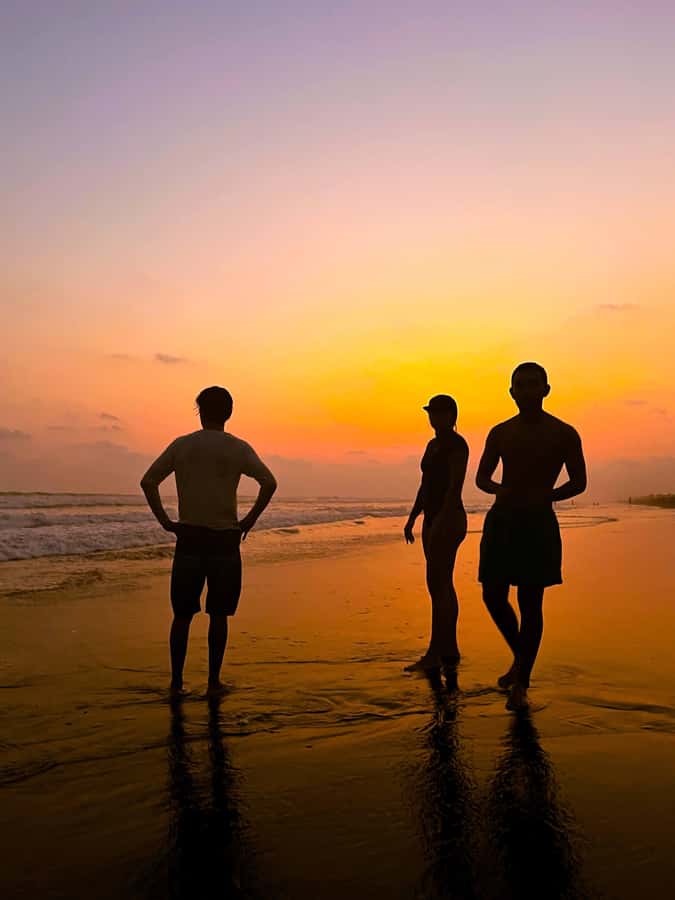
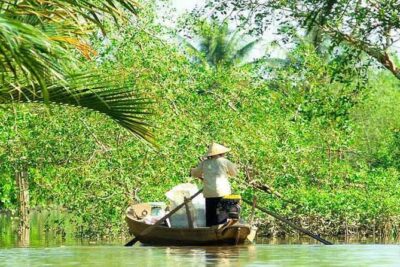
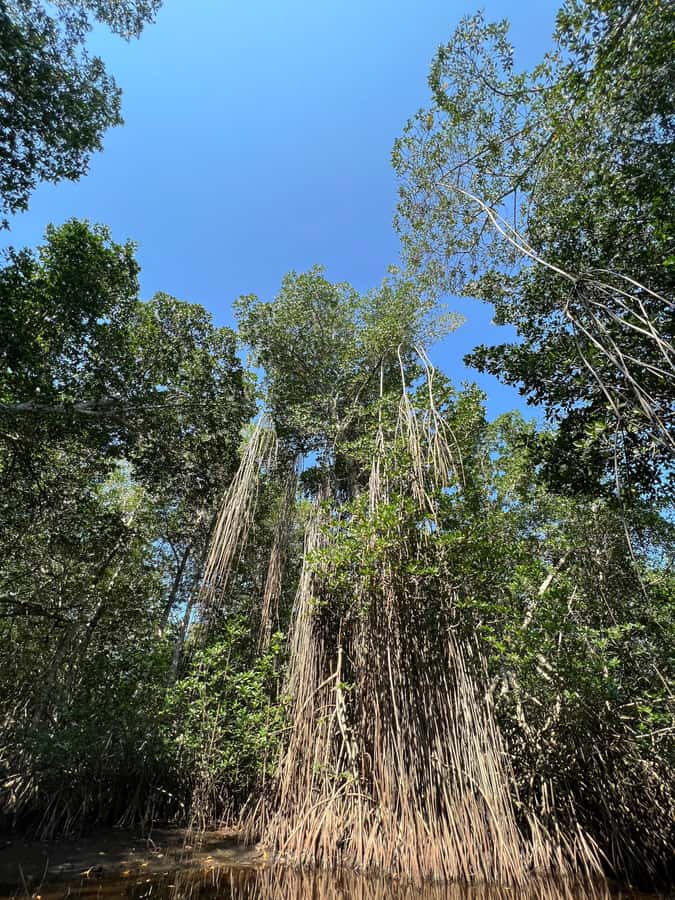
The core experience is the boat ride through the mangroves of El Paredón. The ecosystem is described as the third largest in Guatemala, and the tour route is built for you to notice wildlife, not just watch water glide past.
Here’s what you should pay attention to during the cruise:
- Birds: Your guide points them out, and you’ll learn what to look for in the local vegetation.
- Fish and movement: Even without special gear, you’ll start connecting sightings to what the mangroves provide.
- Crabs: Multiple guests mentioned colorful crabs, including moments where crabs seemed everywhere once the boat went farther into the mangroves.
One detail I really appreciate from the feedback: the better experience isn’t only a slow river-style cruise. The guide takes you into the mangroves so you get that feeling of being surrounded by the ecosystem. If you’re hoping for “wow, we’re really in it,” this tour is aimed at that.
And the stories aren’t random. Your guide talks about the history of El Paredón and its ecosystems while you’re there. That timing helps the information stick, because you’re hearing it while you can actually see what they’re explaining.
How the guide handles Spanish (and still keeps it fun)
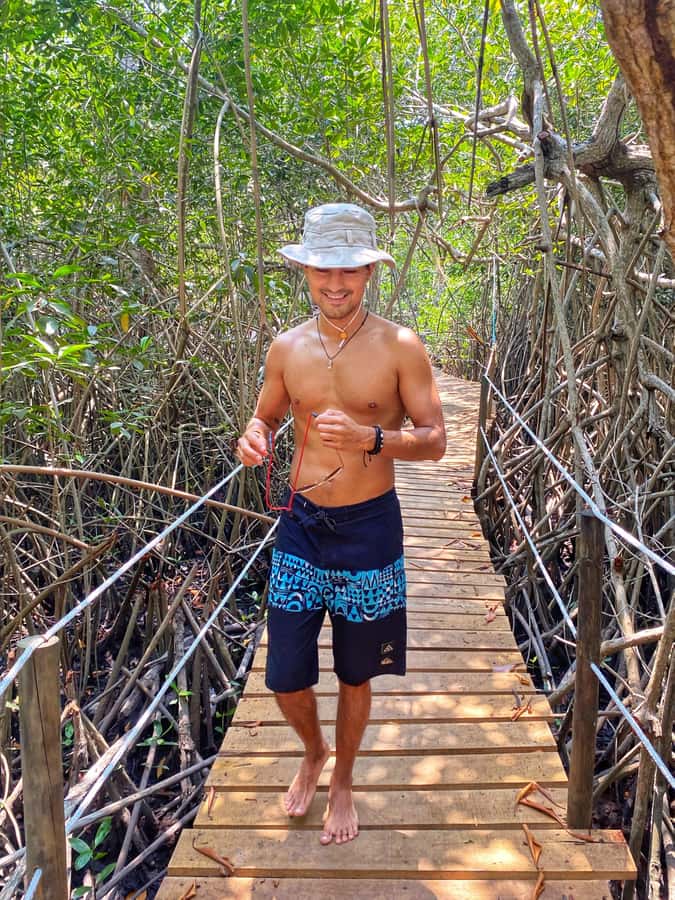
The guide language is Spanish. That’s worth flagging, because if you need perfect translation all the time, you might feel limited. But in practice, the tour seems to work well for non-Spanish speakers if you stay flexible.
One guest noted that the guide didn’t speak much English, yet communication was still smooth using basic Spanish and clear cues. I agree with that approach, and I think it’s part of the authenticity. You don’t need to understand every word to enjoy wildlife viewing, and you can always ask simple questions.
If you want to make it easier on yourself, go in ready to use short phrases like:
- Por favor, qué es eso? (What is that?)
- Dónde está? (Where is it?)
- Qué animal es? (What animal is it?)
You’ll also get plenty of meaning from what the guide emphasizes: the plants, the water activity, and the animals you see during the ride.
Plant your own mangrove: conservation you can actually touch
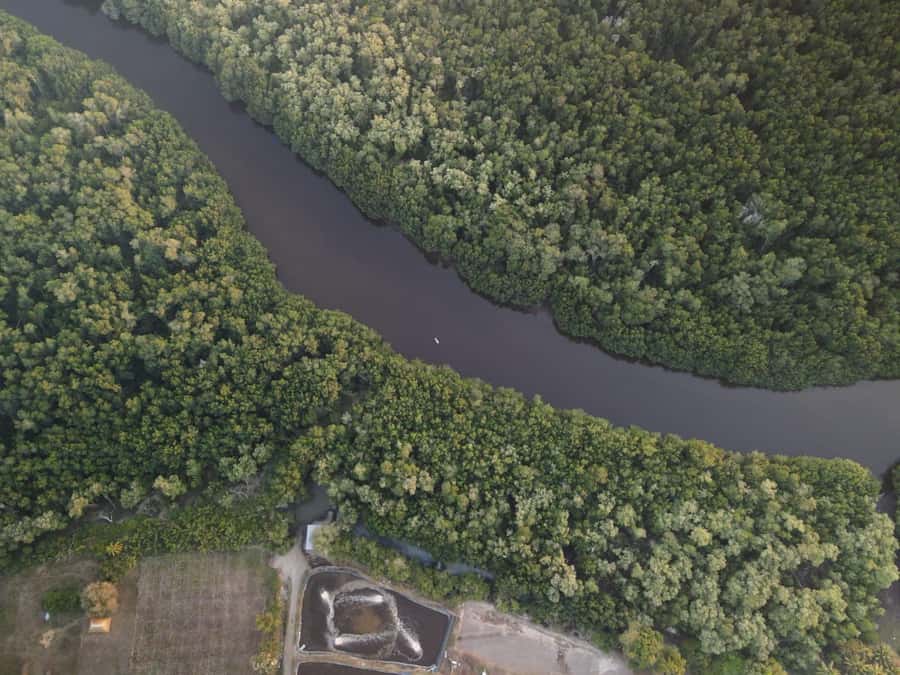
This is one of the most memorable parts because it turns the tour from watching into doing. During the experience, you get the chance to plant your own mangrove, directly tied to conservation of the mangrove ecosystem.
Why that matters: you’re not only learning that mangroves matter. You’re participating in an action that supports the ecosystem’s future. For many people, that shift is what makes a short 90-minute tour feel meaningful instead of forgettable.
In a place like El Paredón, where the mangroves are the living background for the entire experience, planting also gives you a new mental image when you look around afterward. It’s easier to see how what’s growing around you connects to the wildlife your guide points out.
Optional fishing experience: when it’s best and what to expect
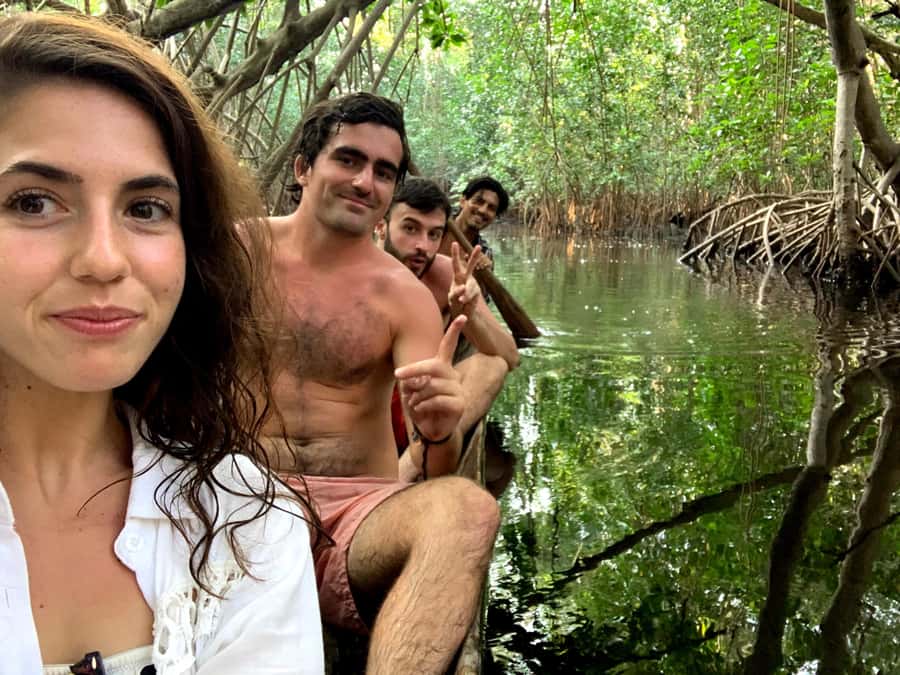
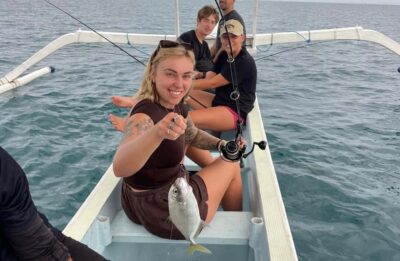
The optional fishing experience is included with the tour and does not cost extra. You’ll learn traditional fishing techniques used by the community, and it’s designed as an additional adventure rather than a separate paid excursion.
One practical note: the best fishing season is January to April, during the dry season, when conditions are ideal for local fishing. So if you’re traveling outside those months, you can still do the optional activity, but don’t expect fishing to be the main focus if conditions aren’t as favorable.
How the fishing fits into the overall tour matters, too. Since the tour is 90 minutes total, the pace needs to stay efficient. Plan to commit fully when you add fishing, because it’s meant to be a hands-on add-on, not a long detour.
Price and value: what $55 gets you in real terms
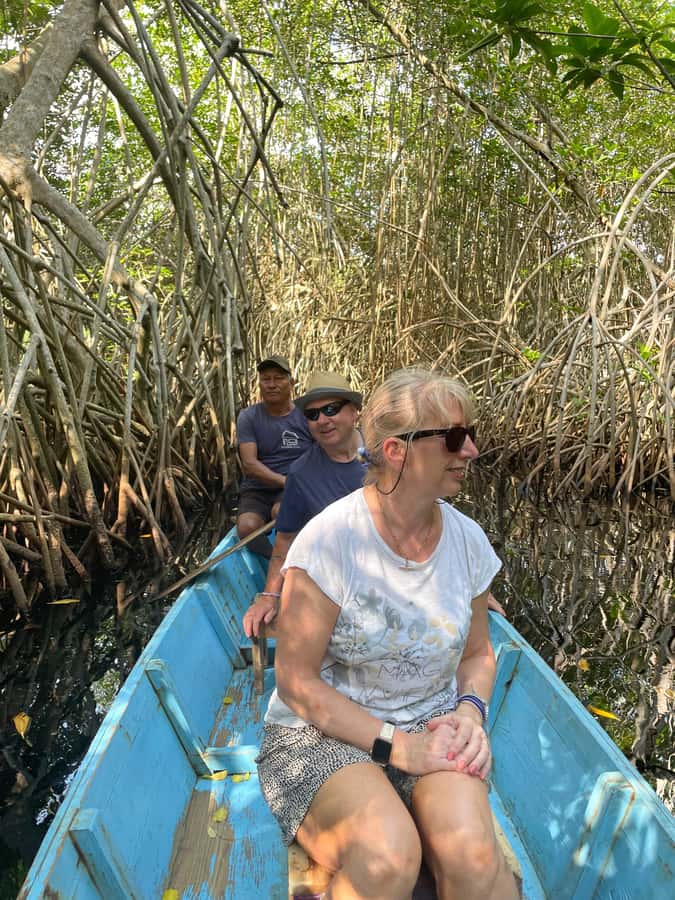
At $55 per person for 90 minutes, it’s not a “cheap and cheerful” activity. You’re paying for several things bundled together:
- A guided mangrove tour
- A boat ride through the mangrove ecosystem
- The chance to plant your own mangrove
- Optional fishing with local techniques at no additional cost
- Stories and insights about the ecosystem and community
For me, the value comes from the mix. A pure boat ride might entertain you for an hour. A boat ride plus guided learning can be better. But this adds a conservation action (planting), which makes the time feel justified.
Also, the fact that it’s a private group helps the overall feel. In smaller groups, your guide can slow down for questions and keep you oriented as you move into the mangroves.
What to bring so you don’t spend the tour wishing you had
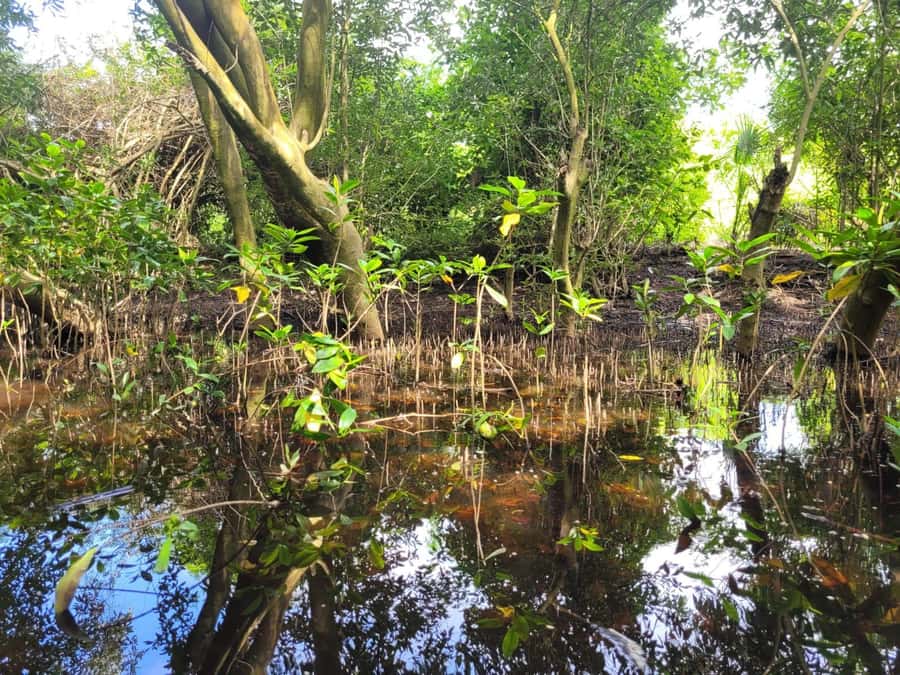
The tour’s own packing list is practical, and I’d follow it. You’re on the water, you’re in the sun, and you’ll deal with insects.
Bring:
- Comfortable shoes (you’ll want grip and stability)
- Sun hat
- Camera
- Water
- Biodegradable sunscreen
- Insect repellent
If you tend to get sunburn fast, treat sunscreen as non-negotiable. And if you forget repellent, you’ll feel it later, even if the tour is short.
Who should book this tour (and who should skip it)
This experience suits you if you want a guided nature outing that feels local. It’s also a great fit if you like learning in small doses while you’re actively seeing the thing being described—birds, fish, crabs, vegetation, and the way the mangroves connect to the community.
It’s described as private group, so it’s also good for couples or small groups who want a bit more attention than you’d typically get on large group tours.
Skip it if:
- You’re pregnant
- You have mobility impairments
That isn’t a debate. The tour is clearly not set up for those situations.
Should you book the El Paredón mangrove boat tour with optional fishing?
If you want a short, hands-on mangrove experience in Guatemala’s Escuintla Department, I’d book this. The strongest reasons are the same ones that consistently make people happy: the friendly, informative guide, the warm welcome (including Adelso and his wife, plus a welcome drink), and the fact that you actually go into the mangroves where wildlife shows up, like colorful crabs.
The only real watch-out is practical: the guide is Spanish-only, so plan to rely on visuals and simple communication. If that doesn’t bother you, you’ll likely come away feeling like you saw something real and understood why it matters.
FAQ
How long is the El Paredón mangrove boat tour?
The tour lasts about 90 minutes.
What time does the tour depart?
Tours depart at 8:00 AM or 4:00 PM.
Is fishing included, or is it an extra cost?
Fishing is optional and included with the experience at no additional cost.
When is the best time to go for fishing?
The best fishing season is January to April during the dry season.
What language is the tour guide?
The live tour guide speaks Spanish.
What should I bring?
Bring comfortable shoes, a sun hat, a camera, water, biodegradable sunscreen, and insect repellent.
Is the tour private?
Yes, it is listed as a private group.
How will I find the pickup point?
You’ll be sent the pickup point to your WhatsApp.