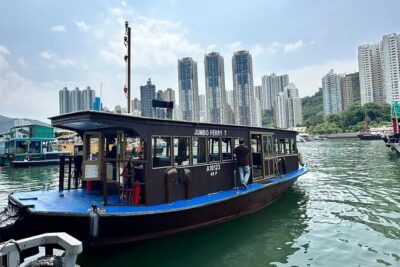
REVIEW · KOBE
KOBE, SHIOYA, a quaint fishing town walking tour
Book on Viator →Operated by face to face · Bookable on Viator
A fishing-town walk beats the cruise crowds. With Sumile as your guide, you’ll cover Shioya in about 3 hours, moving from harbor views to real everyday streets with friendly local conversations and hands-on seasonal nori (seaweed) factory time.
I love that the tour feels unhurried and human—like you’re being shown a place, not herded through it. One thing to keep in mind: it runs best in good weather, and the nori factory stop is only during a certain season and can depend on conditions.
In This Review
- Key highlights you shouldn’t miss
- A morning walk with harbor views that feel too good for Kobe
- Getting to Shioya Station (and back) is simpler than you think
- The nori (seaweed) factory visit: why the season matters
- Through the tunnel into everyday Shioya life
- Old Guggenheim House: quick, free, and surprisingly meaningful
- Snacks and coffee breaks that actually match the walk
- Price check: is $98.93 worth it for 3 hours?
- Who this Kobe Shioya tour is best for (and who should skip it)
- Should you book the Kobe Shioya fishing-town walking tour?
- FAQ
- How long is the Shioya walking tour?
- Where does the tour start and end?
- Is the Old Guggenheim House admission included?
- When can you visit the seaweed (nori) factory?
- What’s the group size, and do I get a mobile ticket?
- What happens if the weather is bad or I cancel?
Key highlights you shouldn’t miss
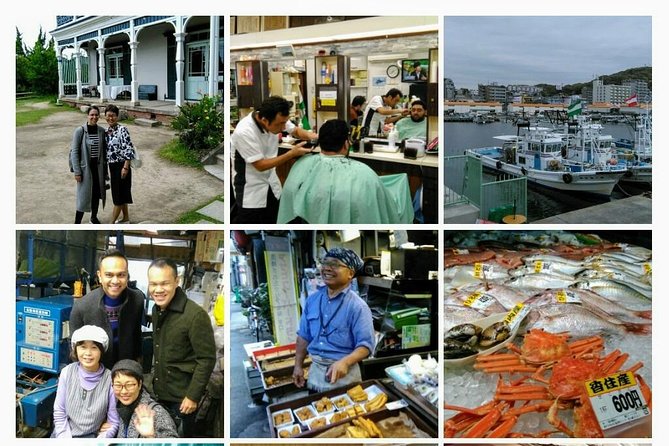
- Harbor panorama first: Mt Rokko, Awaji Island, Pearl Bridge, and even Kansai airport across the sea on a sunny day
- Seasonal nori factory access: possible nori viewing and purchase at an outlet-style price (Dec to Mar, weather dependent)
- Daily-life shop stops: a barber shop with 100+ years of history and a tatami factory (when open)
- Transition through the tunnel: a simple route change that makes the town feel like a different world
- Old Guggenheim House: colonial-style western architecture on a hill above the coast, with free admission
- Small group vibe: max 10 travelers, so you actually have time to talk
A morning walk with harbor views that feel too good for Kobe
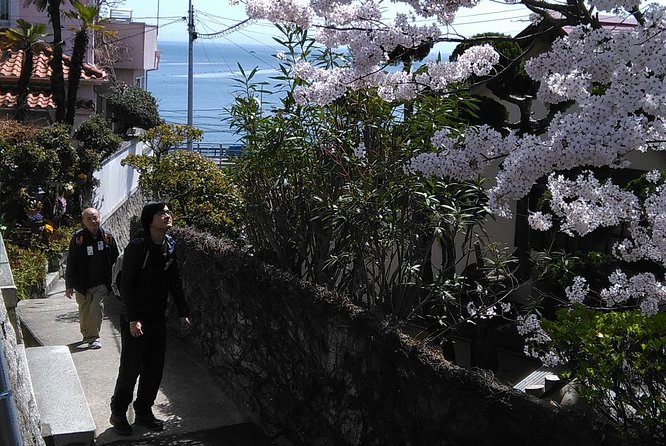
Shioya starts with a view, not a lecture. First you head to the harbor area for postcard-worthy sights—Mt Rokko, Awaji Island, the Pearl Bridge, and on a clear day you can even see Kansai airport across the water. That’s the kind of open-air geography that makes a short town visit feel bigger than it is.
What really makes the harbor part work is that it sets the tone. This isn’t just sightseeing; it’s a social stroll. You’ll be in a smiley, talk-friendly environment where the goal is to connect with local people while you walk, not just point at things.
Also, the tour’s pace matters. You get time to look, take photos, and then keep moving into town—so you’re not stuck with one perfect view and then nothing to do.
Getting to Shioya Station (and back) is simpler than you think
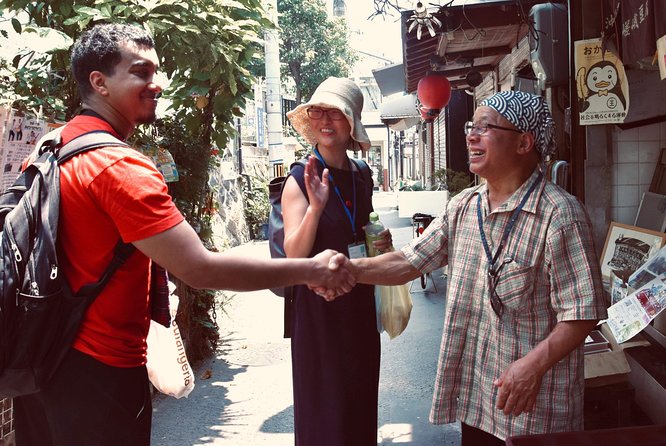
You’ll meet at Shioya Station (Shioyacho, Tarumi-ku). The tour ends back at the same place, which is a big deal when you’re figuring out Kobe logistics—no “now you’re on your own” moment at the end.
Timing from nearby hubs is also reasonable: it takes about 15 minutes from JR Kobe Station and about 40 minutes from Osaka Station. That makes this tour a good option even if you’re not staying in the area, as long as you can arrive earlier in the day and plan for a couple hours of moving around.
The group size is capped at 10 travelers, so your meeting point doesn’t feel crowded or chaotic. You’ll also use a mobile ticket, which cuts down on the usual stop-start at check-in.
The nori (seaweed) factory visit: why the season matters

One of the tour’s biggest draws is the chance to see the seaweed side of coastal life. A nori (seaweed) factory may be open from December to March, and whether you can visit depends on weather. When it’s available, you can often view the process and you can buy nori at outlet-style pricing.
This is one of those “timing beats curiosity” situations. If you come outside that season, you might miss the factory window. But even then, Shioya’s coast-and-harbor setting still gives context to what you’re eating later, and the guide can point out the local rhythm behind the scenes.
In practical terms: if your trip lands during Dec–Mar, put this tour higher on your list. If it doesn’t, don’t worry—you’ll still get town life, snacks, and the old-house stop.
Through the tunnel into everyday Shioya life

After the harbor, you head through a tunnel and into the town. That small physical shift does a lot for the experience: you move from open views to a more intimate street rhythm where daily routines are easier to spot.
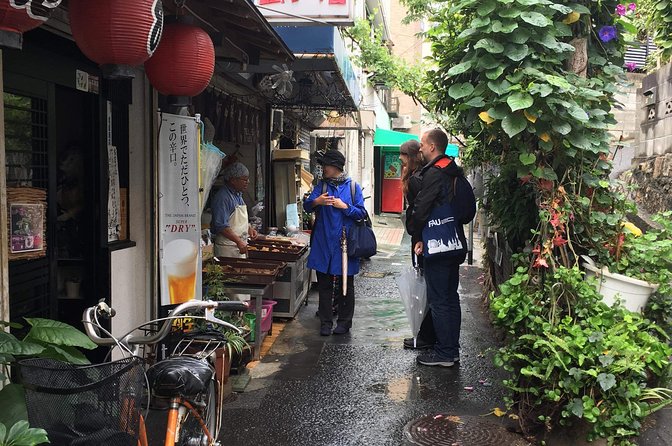
This is where you get what you came for—real Japanese daily life you don’t usually catch from a main-station hop. The plan includes visits to local places when they’re open, such as:
- A barber shop with more than 100 years of history
- A tatami factory
- Other community spots that are open during your visit
Even if you don’t speak Japanese perfectly, the whole setup is friendly and conversation-friendly. The guide, Sumile, is there to help you connect—especially around what things are, how locals use them, and what they mean in everyday life.
One practical tip: expect the tour to be a “talk and walk” style. Wear comfortable shoes. This is a town tour where you’ll likely spend more time on sidewalks and doorways than in large, indoor rooms.
Old Guggenheim House: quick, free, and surprisingly meaningful

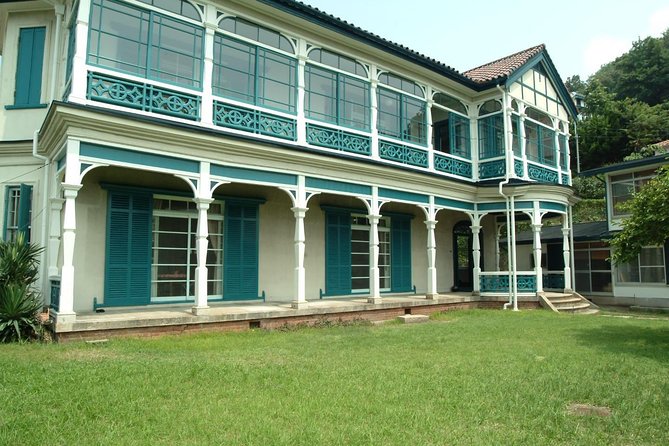
The tour includes a stop at the Old Guggenheim House, a colonial-style western building on a hill overlooking Shioya Coast. It’s listed as free admission and is a short stop—about 10 minutes.
You might think a quick architecture stop is just a photo break. In Shioya, it works better than that because it gives a wider historical feel to a small fishing town. Kobe has always had foreign influence and trading connections, and this house is one visible reminder of that story. From the hill, it also helps you “read” the coastline better—why the harbor matters, why the town is set the way it is, and how the coast shapes life.
Is 10 minutes enough? For a casual visitor, yes. You’re not being asked to spend hours. The goal is to give you a highlight with context, then move on so you keep the momentum of the walk.
Snacks and coffee breaks that actually match the walk
This isn’t a formal full meal tour, but you’ll get plenty of food-and-drink moments along the way—local snacks, drinks, and the chance to slow down in the middle of walking time.
A recurring highlight is the stop at a traditional café / local coffee shop, where you can meet locals and enjoy the kind of simple, community-focused food you don’t always find on big sight routes. One of the strengths here is that the food feels like part of the neighborhood, not an add-on attraction.
If you’re the type who likes to try “one thing here, one thing there,” this fits your style. You won’t feel stuck with a single long sit-down. And because it’s a guided walk, you’re more likely to understand what you’re eating and why locals care about it.
Price check: is $98.93 worth it for 3 hours?
At $98.93 per person for about 3 hours, this isn’t a bargain-tour price. But value here isn’t only about distance covered—it’s about access and guidance.
Here’s what you’re paying for that matters:
- A local guide (Sumile) who can help you talk to people and understand what you’re seeing
- A small group (max 10 travelers), so the experience stays personal
- A free-admission cultural stop at Old Guggenheim House
- A chance for a seaweed/nori factory visit during Dec–Mar (weather dependent), plus the ability to buy nori at outlet-style pricing
- Time built in for local snacks and café moments, not just marching from point to point
Also, the fact it’s often booked around 55 days in advance suggests demand. That usually means people find it more rewarding than a generic city walk.
If you’re trying to DIY Shioya on your own, you’d likely need to work harder to get the same community feel. If you want the “here’s who you talk to and what you should notice” version of travel, this price starts to make sense.
Who this Kobe Shioya tour is best for (and who should skip it)
This tour is a strong match if you:
- Want off-the-beaten-track Kobe
- Like small-group experiences with real conversation
- Enjoy food stops that feel linked to place (snacks, drinks, café time)
- Care about daily life details like long-running local shops and a tatami factory visit
It’s also a good option if you’re arriving by cruise. One visitor noted the guide met them at the cruise terminal, which is a nice reminder that timing and arrival details can matter.
Where it may not fit: if your idea of a great trip is big landmarks and long museum time, Shioya is more of a “street-level Japan” day. It’s not trying to replace Kyoto’s top sights. It’s trying to give you something different: a calmer, more personal look at a coastal community.
Should you book the Kobe Shioya fishing-town walking tour?
Yes—if you want a short but meaningful day in Kobe that mixes views, community, and food without rush. The harbor scenery is a great start, but the real payoff is how friendly people and local places shape the walk. With Sumile guiding, you’re far more likely to notice the details that make Shioya feel alive.
Book especially confidently if your dates fall in December through March, since that’s when the nori factory can be possible. If you’re outside that season, you can still have a great time—just be aware the factory part depends on conditions.
If you hate walking, or you’re traveling with limited tolerance for weather-dependent plans, this might feel like too much uncertainty. But for most people planning a flexible morning, it’s a smart choice.
FAQ
How long is the Shioya walking tour?
It’s about 3 hours.
Where does the tour start and end?
You start at Shioya Station and the experience ends back at the meeting point.
Is the Old Guggenheim House admission included?
Yes. The Old Guggenheim House stop lists free admission with the tour.
When can you visit the seaweed (nori) factory?
The seaweed factory is mentioned as opening from December to March, and it depends on the weather.
What’s the group size, and do I get a mobile ticket?
The tour has a maximum of 10 travelers, and you’ll receive a mobile ticket.
What happens if the weather is bad or I cancel?
This experience requires good weather. If it’s canceled due to poor weather, you’ll be offered a different date or a full refund. You can cancel for free up to 24 hours before the experience start time for a full refund.