REVIEW · MUMBAI
Mumbai Coastal Cooking: From Fishing Net to Flavourful Plate
Book on GetYourGuide →Operated by Explore Mumbai Tours · Bookable on GetYourGuide
Fish has a second life here. What I love most is how this tour links the net-and-dock world to your hands-on kitchen time, so you don’t just eat seafood, you learn how it gets there. The best part is meeting the people who actually work the coast, in places you’d skip if you only followed big-city highlights. One consideration: access to the fishermen’s village can be limited on some days, so your plan may shift to a cooking-first version.
I also like the way the class stays practical. You get a real market moment, plus guidance to cook classic Mumbai-style dishes like fish curry and other coastal plates, all in an English-friendly setting.
If you’re short on time, the 3-hour format is tight in a good way, but it means you should come hungry and ready to move at local speed.
In This Review
- Key things you’ll notice (quick hits)
- Why Mumbai Coastal Cooking feels different from a typical food tour
- Getting to the fishermen’s village by tuk-tuk
- Coastal beach views, docks, and the fish market where conversations happen
- The cooking class: fish curry, bread, and sour-spicy flavors in a home kitchen
- What $21 gets you: value, time, and where it fits on your itinerary
- Who this tour suits best (and who should think twice)
- When the village visit changes due to access
- Practical tips to get the most from your net-to-plate day
- Should you book Mumbai Coastal Cooking?
- FAQ
- How long is Mumbai Coastal Cooking?
- Where is the tour located?
- What does it cost?
- Is it a private group?
- Is there an English-speaking host?
- What stops are included?
- What will I cook during the class?
- Will I have time to see fishing nets and boats?
- What if the fishermen’s village is not accessible?
- Does the tour offer flexible cancellation or payment options?
Key things you’ll notice (quick hits)
- Net weaving to cooking skills: you’ll see how traditional fishing happens before you cook the results
- A market stop with real people: you’ll spend time around the fish trade, not just photo corners
- A home-kitchen focus: the cooking happens where daily life looks and feels like daily life
- English guidance from your host: recent sessions featured hosts with strong English, and lots of Q&A
- Menu includes Mumbai staples: fish curry, chicken dishes, fisherman’s bread, and a sour-spicy drink
- Plans can flex if access changes: if the village visit is restricted, you may still get the cooking experience
Why Mumbai Coastal Cooking feels different from a typical food tour
Most food tours in big cities end with a plate. This one tries to explain the chain that leads to the plate: nets, boats, docks, fish markets, and then the stove. That matters because Mumbai seafood is not just a flavor choice. It’s a daily rhythm shaped by weather, work, and what’s available that morning.
I especially like that the tour isn’t only about eating. You’re watching fishing techniques and net weaving, then translating those observations into cooking. Even if you’re not a cooking person, you’ll still leave with a sharper sense of why Mumbai fish dishes taste the way they do.
The tone is also personal. You’re going into a local fisherman’s home for the class, and that changes the mood from entertainment to exchange. In past sessions led by hosts such as Kavitha (and her husband Ravi), the conversation wasn’t background noise. It was part of the experience—life, food, dreams, and how cooking fits into everyday routines.
Getting to the fishermen’s village by tuk-tuk
The experience starts with a meeting point that can vary depending on the option you book. From there, you’ll ride to the coastal area by tuk-tuk. That short “out of the city” transfer is more than a novelty. It helps you reset your pace and expectations before you reach the work zone.
Once you arrive, you’ll visit the fishermen’s village area. The route includes a stop at a historic festive ground tied to the British era. This is the kind of detail that’s easy to miss on your own, because it’s not packaged as a museum stop—it’s folded into how the neighborhood has developed.
What I’d tell you to do before you go: wear comfortable shoes and keep your expectations flexible. Coastal areas mean uneven ground, close spaces, and active work happening nearby. This tour is structured to be watchful and respectful, but it’s still real-world surroundings.
A small but real caveat: one past booking ran into access restrictions that prevented the village visit. In that case, the group met directly at the host’s home and spent about three hours cooking and talking instead. So the cooking portion stayed strong, but the coastal walk part changed.
Coastal beach views, docks, and the fish market where conversations happen
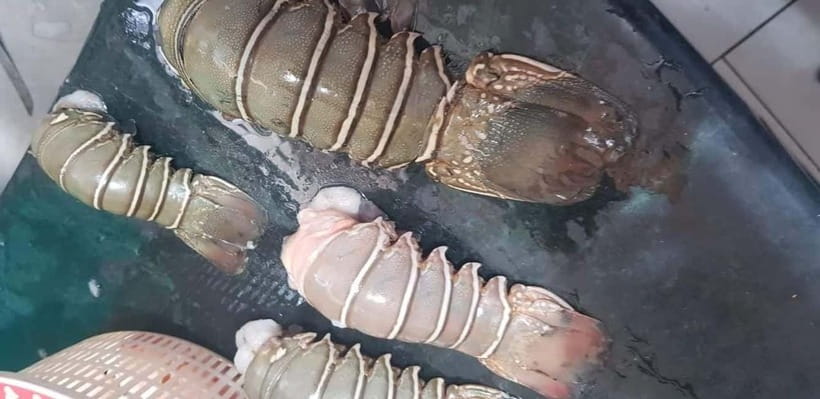
After the village area, you’ll head to a local beach to see the fishermen’s boats. The point here isn’t just watching boats; it’s seeing how fishing fits into the landscape. You’ll also observe net weaving and traditional fishing techniques, which gives you context before you ever taste the food.
Then comes the dock walk. This is where you tend to get the most sensory “oh, this is how it works” moments: the sights, the pace, and the flow of people tied to the catch. If you like learning through observation, you’ll enjoy this segment. If you prefer quiet, this may be a bit much—but it’s still manageable with a small group and a guide keeping you oriented.
The fish market stop is one of the best reasons to book this instead of eating at a restaurant and calling it done. You’ll move through a lively fish market where you’ll meet women selling fresh catches in colorful sarees. This is one of those times when you’ll get real explanations you can’t easily get from a menu: what’s fresh, what gets cooked how, and how different fish fit into different styles.
Here’s the practical angle: if you’re picky about seafood, ask questions early during the market segment. The host can often guide you toward options that match your comfort level, and then the cooking steps will make more sense once you’ve seen what you’re working with.
The cooking class: fish curry, bread, and sour-spicy flavors in a home kitchen
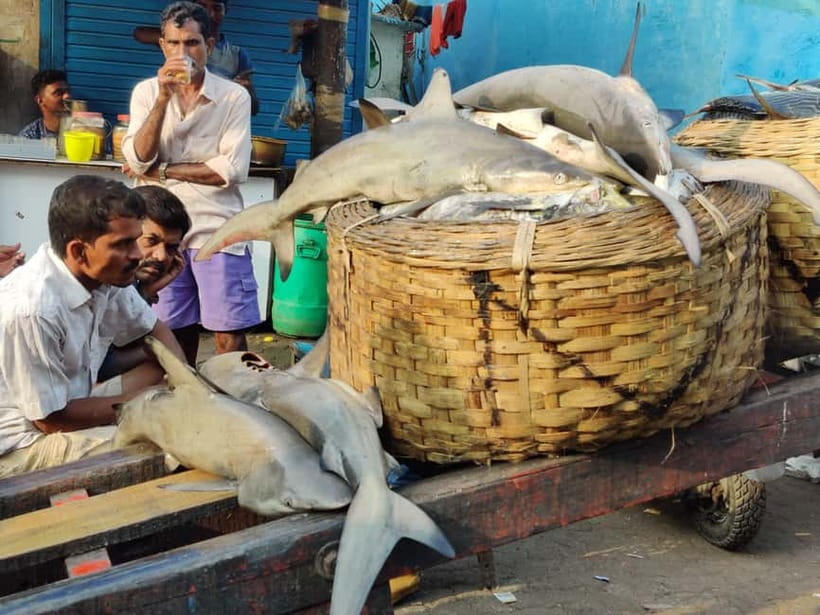
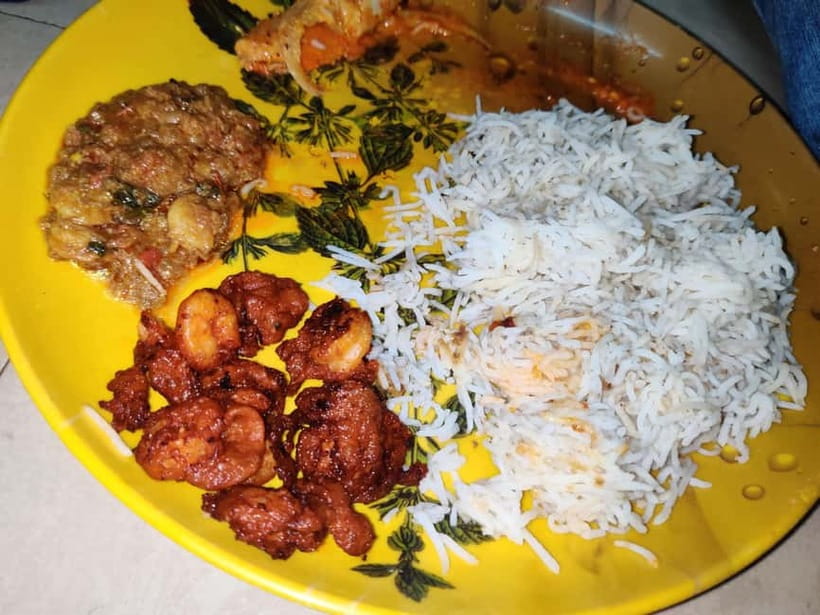
This is the core of the experience: a hands-on cooking class in a local fisherman’s home. You’ll prepare traditional Mumbai fish delicacies, with a menu that includes fish curry, chicken dishes, local fisherman’s bread, and a sour-spicy drink.
What makes this more valuable than a basic cooking show is that you’re not just tasting at the end—you’re involved in the process. The guide-style instruction matters here, especially for travelers who have cooked before but not with Indian spice methods.
From past sessions with hosts such as Kavitha and Ravi, the class often includes seafood plates like mandeli (a local fish) plus fried fish, along with curry and breads like roti or chapati. You may also find time to fry, mix, or assemble parts of the meal depending on the group and kitchen flow.
If you’re wondering what you’ll actually learn: expect a step-by-step approach to Indian home-style cooking—how ingredients are timed, how spice is handled, and how to adjust toward the right balance. The sour-spicy drink is a great example of something that’s hard to replicate perfectly at home without guidance. Getting that flavor balance once, with someone explaining it, sticks.
Another practical benefit: you eat together at the end, in the same home setting where you cooked. This is where the “food tour” turns into a story-sharing experience. In sessions like the ones hosted by Kavitha, people talked openly—about life, assumptions, and daily realities. If you came curious, you’ll likely leave with a broader view of how Mumbai neighborhoods operate beyond the tourist gaze.
What $21 gets you: value, time, and where it fits on your itinerary
At $21 per person for about 3 hours, this sits in the “worth it” zone if you care about learning rather than just sampling. The reason is simple: you’re getting a combination of activities that are usually separate and usually more expensive—transport to a coastal community area, a market visit, and a hands-on cooking session in a home kitchen.
Time-wise, 3 hours is short enough to fit into a busy day. But it’s long enough to include both the food sourcing (boats and market) and the cooking process. If you only want a quick snack and photos, you might feel it’s too structured. If you want a meaningful taste of Mumbai culture, this timing tends to work well.
Group size is described as private group, which matters in a few ways. You’re not competing with a crowd for attention at the market, and in a home kitchen, space can get tight. A private group format also makes it easier to ask questions and adapt to your comfort level with seafood or spice.
English is supported by an English-speaking host or greeter. That’s important because the experience is heavy on explanation—what you’re seeing at the docks, what you’re cooking, and why the dish works.
Who this tour suits best (and who should think twice)
This tour is a good match if you:
- love seafood and want to understand how it connects to fishing and local markets
- want a hands-on cooking class rather than a tasting-only experience
- enjoy meeting real people and hearing stories beyond food instructions
- prefer small, personal exchanges over large group bus tours
It may not be ideal if you:
- strongly prefer fully fixed itineraries with guaranteed access to every stop
- hate busy market environments
- don’t eat seafood or chicken and aren’t comfortable with menu variations
Also, come with realistic expectations about what “local home cooking” means. It’s not a polished studio. It’s a lived-in kitchen with the smell of spices, active movement, and the sound of people being people.
When the village visit changes due to access
One of the most useful things you should know before you go is that the village visit can be affected by access restrictions. In at least one documented case, the fishermen’s village portion wasn’t possible, and the experience shifted to meeting at the host’s home for cooking and conversation instead.
That matters for decision-making. It means the experience is not fragile in the way some tours are. The cooking component remains the anchor, and the host interaction continues to be the heart of the day—even if the beach/dock segments get shortened or replaced.
If you like the fishing and coastal walk parts, you’ll still get that spirit even during a plan shift, because the cooking is grounded in the same seafood culture. But if seeing the fishermen’s village itself is the only reason you booked, you should understand that changes can happen.
Practical tips to get the most from your net-to-plate day
Bring a mindset of curiosity, not speed. Ask questions at the market about what’s fresh and what people actually cook at home. Then when you’re in the kitchen, you’ll understand the choices behind the flavors.
Wear shoes you trust. Coastal routes and market paths aren’t built for thin soles. Also, keep your phone ready but not glued to it. This kind of tour works best when you look, talk, and then take photos when someone invites you.
If you’re sensitive to spice, say so early. The menu includes sour-spicy elements, and you’ll get better results if the host adjusts with you in mind.
Finally, plan your next meal lightly. You’ll end up eating what you cook—fish curry, breads, and more—so this is the centerpiece, not a snack.
Should you book Mumbai Coastal Cooking?
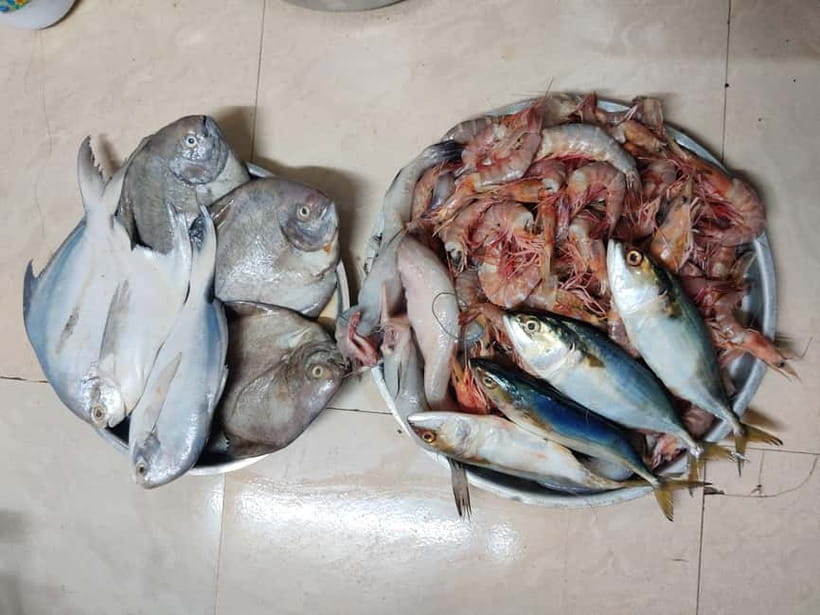
I think you should book this tour if you want Mumbai food with context and hands-on learning. The best part is the chain: nets and fishing techniques lead to market insights, which lead to cooking a proper Mumbai plate in a real home kitchen. That’s the difference between eating and understanding.
If you’re only hunting for the most famous sights, this won’t be your top pick. But if you care about how a coastal community lives and eats, and you’re happy to trade a checklist for a conversation, this is the kind of experience that tends to stick in your memory long after the meal is gone.
FAQ
How long is Mumbai Coastal Cooking?
The experience lasts 3 hours.
Where is the tour located?
It takes place in Maharashtra, India, in and around Mumbai’s coastal fishing areas.
What does it cost?
The price is $21 per person.
Is it a private group?
Yes, the experience is listed as a private group.
Is there an English-speaking host?
Yes, the host or greeter is English-speaking.
What stops are included?
You’ll visit the fishermen’s village, ride by tuk-tuk, visit the fish market, and take part in coastal food cooking classes.
What will I cook during the class?
The cooking session includes making fish curry, chicken dishes, local fisherman’s bread, and a sour-spicy drink.
Will I have time to see fishing nets and boats?
Yes, the experience includes observing traditional fishing techniques and net weaving, plus seeing fishermen’s boats at a local beach.
What if the fishermen’s village is not accessible?
The experience may adjust due to access restrictions. In one case, the group met at the host’s home and still spent about three hours cooking and talking.
Does the tour offer flexible cancellation or payment options?
It includes free cancellation up to 24 hours in advance for a full refund, and it also offers a reserve now & pay later option.