REVIEW · HOONAH
River Fishing and Bear Watching
Book on Viator →Operated by NatVenture Tours · Bookable on Viator
Bears and salmon in four hours. This Hoonah trip pairs river fishing in the Tongass National Forest with frequent wildlife sightings, including brown bears on Chichagof Island.
I like that waders and fishing gear are included, so you can spend less time prepping and more time fishing. I also love the hands-on guidance Natalie offers, including teaching fly-fishing basics to people who are new to it.
One thing to keep in mind: the drive to the best fishing stretch can run longer in early season, so if you hate being in a vehicle, plan for extra time on the old logging roads.
In This Review
- Key highlights before you go
- From Icy Strait Point to a remote Tongass river: how the day actually feels
- Fishing for salmon and/or trout: waders, short walks, and real options
- Bear watching on Chichagof Island: the thrill and the reality check
- Why Natalie’s guide style matters for your success
- Price and value: $450 for gear, transport, and a small-group wildlife day
- Timing, weather, and the one early-season twist
- Who this tour fits best (and who should reconsider)
- Practical tips so your four hours feel smooth
- Should you book NatVenture Tours River Fishing and Bear Watching?
Key highlights before you go
- Small-group vibe (up to 6 people) means more time with your guide and less waiting around.
- Gear and waders included so you can focus on fishing instead of packing equipment.
- Hoonah to Tongass National Forest by way of old logging roads sets a very remote, outdoorsy tone fast.
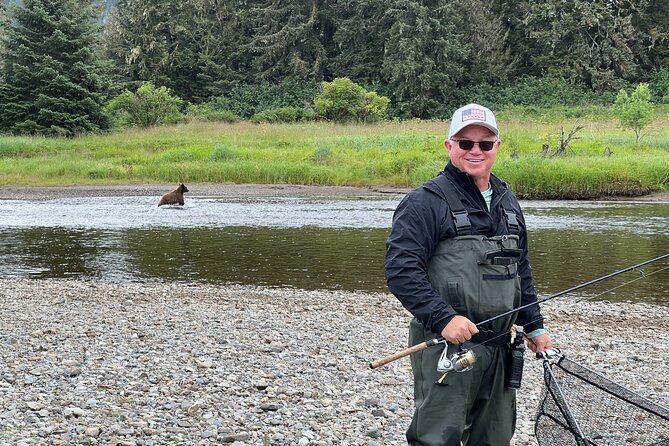
- Fish and wildlife are the point, with salmon and/or trout fishing plus bear watching right along the river.
- Fly-fishing instruction for beginners makes this more than a grab-the-rod-and-hope day.
From Icy Strait Point to a remote Tongass river: how the day actually feels
This tour starts at Icy Strait Point, and you’ll be picked up right at the main vehicle entrance. If your cruise ship docks at Ocean Landing (west dock), you’ll walk from your ship to the Adventure Center area, find the historic cannery route, pass the Icy Strait Museum, and then follow signs toward the kayak center. From there, it’s a short walk past the circle drive and guard station to where the van is waiting. If you dock at Wilderness Landing (east dock), you’ll take the GREEN gondola ride through the forest to the main port area, then follow the same historic cannery route to the pickup spot.
That “guided trail of signs” matters, because it keeps the start simple. Once you’re in the vehicle, the trip kicks into a classic Southeast Alaska rhythm: a drive through the Alaska Native Tlingit village of Hoonah, then onward onto old logging roads. Those roads are part of the experience. They get you out of town and into a setting where the wildlife feels close, not staged.
Because the tour is about four hours total, the pacing is practical. You’re not spending half the day just commuting. Still, you should expect meaningful drive time, especially if you’re traveling in shoulder season. One runner-up theme you’ll hear in the tour story is that early in the season, the best fish can be a little farther away.
You can also read our reviews of more tours and experiences in Hoonah.
Fishing for salmon and/or trout: waders, short walks, and real options
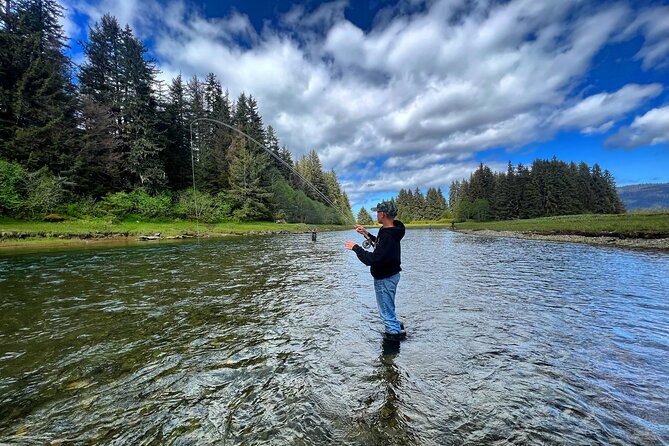
Once you reach the river, the day becomes hands-on. You’ll put on waders and walk a short distance to the first fishing hole. The emphasis is not on long hikes or complicated navigation. It’s more like a guided work-up of where to fish, how to stand, and how to handle the gear in moving water.
You’ll have two fishing styles available:
- Stay at one spot for the duration if the action is hot.
- Walk along the river to fish in multiple spots if conditions change.
That flexibility is valuable. Salmon fishing can be feast-or-famine depending on timing and where the fish are moving. Being able to adapt without losing your whole day is a big deal, especially when you only have a few hours.
Also, the tour isn’t only for hardcore anglers. The guide’s style is geared toward getting you fishing quickly, even if you don’t fish often. In real-world terms, that means you get help with technique and gear handling early, instead of waiting until you’re already frustrated in the water.
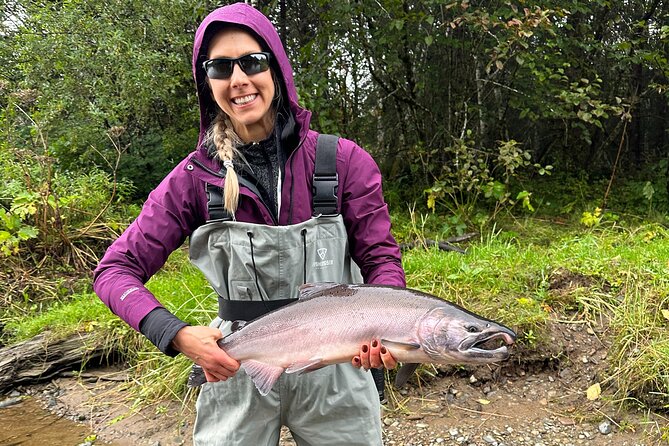
And yes, the fishing can be excellent. Some days bring standout results for silver fishing, and there’s a consistent theme of action: catching fish, getting excited fast, and staying busy rather than standing around.
Bear watching on Chichagof Island: the thrill and the reality check
The promise here is wildlife along the route and along the river. Chichagof Island is known for brown bears, and you’re literally moving through a place where bears are part of the normal ecosystem. That’s why you may spot animals from the car drive, then again during your river time.
But I want you to keep it real: bear viewing is never guaranteed. Weather, timing, and bear movement can change from one day to the next. What’s within control is how you experience it. This tour builds bear watching into the walk, not as a last-minute scramble.
Safety-wise, the guide keeps the group organized and compact while you’re in bear country. One of the most praised details is how the guides manage the group’s movement with watchers positioned in front and behind, and how bear spray is used as part of the safety plan. That doesn’t remove the unpredictability of bears, but it does reduce the chaotic feeling that can happen when you’re moving through thick brush with wildlife around.
If you’re hoping to see bears, this is absolutely the kind of day you want. If you don’t, you can still end up with a strong wildlife outing. Other animals show up too, including sightings like seals and Sitka blacktail deer in the same general river-area experience.
Why Natalie’s guide style matters for your success
This tour is privately guided, and it caps at six travelers. That small-group size changes everything. You get less generic instruction and more direct coaching, especially when you’re learning.
Natalie’s approach stands out in a very practical way: she checks what you want out of the day early, then adjusts how she teaches you. If you’re not a regular angler, you still get set up correctly and you don’t feel left behind. If you’re curious about fly fishing, she can bring you in from the start and help you get a feel for it without making it feel intimidating.
There’s also a noticeable emphasis on patience. With families especially, the tour works because kids aren’t just handed a rod and told to figure it out. The guide helps them hook fish, learn technique, and keep going when a run takes a minute.
If you like fishing but you also care about wildlife, this is a good blend: you’re not choosing between the thrill of salmon and the thrill of seeing bears. You’re doing both in the same half-day, and the guide keeps the focus where it should be.
Price and value: $450 for gear, transport, and a small-group wildlife day
At $450 per person, you’re paying for a guided, remote outing with included equipment and transportation. The important part is what’s not included and what is.
Included:
- Fishing gear and waders
- Private transportation
Not included:
- Fishing license
So the real budgeting item is the fishing license. Everything else you need for the water time is handled. That’s good value in Alaska, where rentals and add-ons can stack quickly. You’re also getting a dedicated guide and transportation from Icy Strait Point into Tongass National Forest terrain, which is not an easy DIY trip for most cruise visitors.
Another value point: the tour is offered in English, uses a mobile ticket, and runs on a schedule that’s compatible with cruise port timing. It also gets booked well in advance, which is a clue that people who know Alaska seasons often lock this kind of wildlife-and-fishing outing early.
Finally, the $450 price tag fits best if you want more than a fishing lesson. You’re buying a guided day that treats the river, the bears, and the fishing as one continuous experience.
Timing, weather, and the one early-season twist
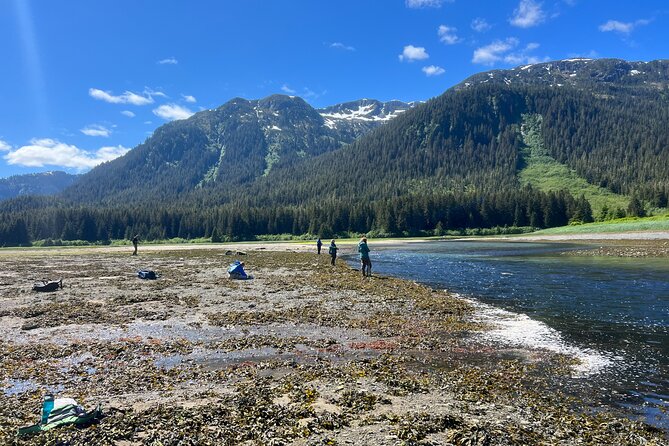
This is a weather-dependent tour. If it’s canceled due to poor weather, you’ll be offered another date or a full refund. That matters because river fishing in Southeast Alaska is tied closely to real conditions.
The second timing detail is the early-season drive. In late April (and similar early windows), you may travel farther to reach the fishing grounds. One guide explanation for longer drives is simple: fish may not be moved in as close as they are later in the season, so the route can stretch to keep your odds better. The good news is that the trip is still built to balance driving with time actually fishing, not just sightseeing from a roadside pull-off.
If you’re planning around peak salmon action later in the season, you might experience shorter drives. If you’re going in April, assume extra time in the vehicle could be part of the deal.
Who this tour fits best (and who should reconsider)
This trip is a great fit if:
- You want a wildlife-forward fishing outing on a remote river.
- You’re comfortable with waders and a short walk to the first fishing hole.
- You like learning while you’re doing, including fly-fishing basics.
- You want a small group experience instead of a big crowd.
You should reconsider if you have limited mobility or aren’t comfortable with a stronger physical fitness level than a casual shore walk. There’s also a weight limit of 250 lbs, and the tour notes that if your BMI is 40 or higher, you shouldn’t consider yourself physically fit for this trip. Service animals are allowed, but the physical demands around waders and moving along the river are still the real deciding factor.
This is also a solid choice for families who want their kids involved. The guide’s patient, step-by-step style makes it easier for younger anglers to feel successful quickly.
Practical tips so your four hours feel smooth
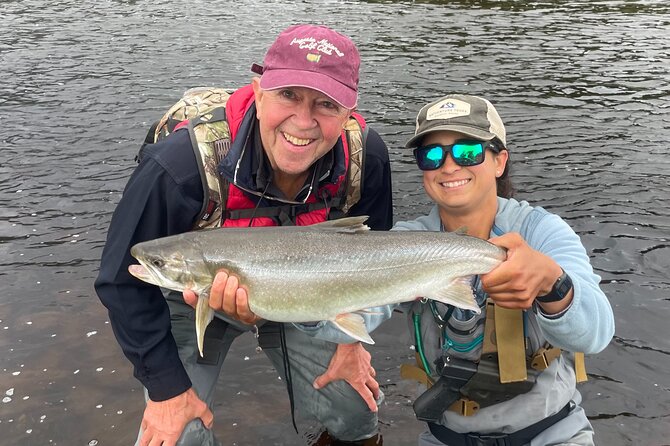
Your main job is to show up ready for the river portion and wildlife portion to happen in the same day.
- Plan for a short walk and waders. The day is structured around quick movement from the parking area to the water.
- Don’t assume the bear sighting will happen at the exact moment you want. You’ll be looking during the drive and during the river time, because that’s how the day is built.
- If you’re new to fishing or fly fishing, expect coaching. The tour is set up so first-timers can get working quickly.
- Budget for the fishing license. Gear and waders are covered; the license is not.
If you do those things, you’ll get the most out of the limited time. Four hours is just enough for a lot of action, as long as you’re set up from the start.
Should you book NatVenture Tours River Fishing and Bear Watching?
Book it if you want a compact Alaska adventure that mixes two top priorities: salmon and wildlife. The small group size, included waders and gear, and Natalie’s hands-on teaching style create real value, especially if you’re not an experienced angler. The top-rated feedback pattern is consistent: people leave feeling like they fished well, learned something, and had a genuine wildlife moment.
Skip it or choose another option if you’re strongly time-sensitive for driving, because early-season trips can involve longer runs on old logging roads. Also, if your whole goal depends on guaranteed bears, adjust your expectations—bear country is still bear country, and the tour’s strength is that it builds wildlife watching into the entire experience, not that it promises a specific animal count.
If you’re the kind of traveler who likes doing the real outdoors stuff with a guide who actually works with you, this one’s worth serious consideration.