REVIEW · SANTONA
Santoña: Anchovy Art Gallery with Fishing Port and Market
Book on GetYourGuide →Operated by Nicolás C. Servicios Turísticos · Bookable on GetYourGuide
Anchovies have a whole art form in Santoña. You get the real fishing port rhythm outside the market, then step into the Anchovy Art Gallery at Conservas Ana María, where processing becomes something you can actually watch and understand. I especially like how the day connects daily work—ships, auctions, and market chatter—to the final bite you taste.
Another win: Nicolas C. Servicios Turísticos, with guide Nicolás, uses extra materials on hand and explains in Spanish, French, or English with real energy. One thing to consider: the entire experience centers on anchovies, so if you’re not into fish or you’d rather avoid tasting, your enjoyment may be limited.
In This Review
- Key takeaways before you go
- Santoña’s port and market: where today’s auction becomes lunch
- Learning the language of the fish: purse seine, registrations, and auction basics
- Conservas Ana María’s Anchovy Art Gallery: antique machinery with real purpose
- The filleting demo and Sicilian roots: why origins matter
- The market-to-bite payoff: anchovy tasting where it’s made
- Price, time, and value: is €20 worth it?
- Who should book this tour (and who should skip it)
- Planning notes: timing, language, and how to get the most out of it
- Should you book Santoña’s Anchovy Art Gallery tour?
- FAQ
- Where does the tour start and end?
- How long is the experience?
- How much does it cost?
- What’s included in the price?
- Will I taste anchovies during the tour?
- What languages are offered for the live guide?
- What do you see at the port?
- What happens inside the Anchovy Art Gallery?
- Is there free cancellation or pay-later booking?
Key takeaways before you go
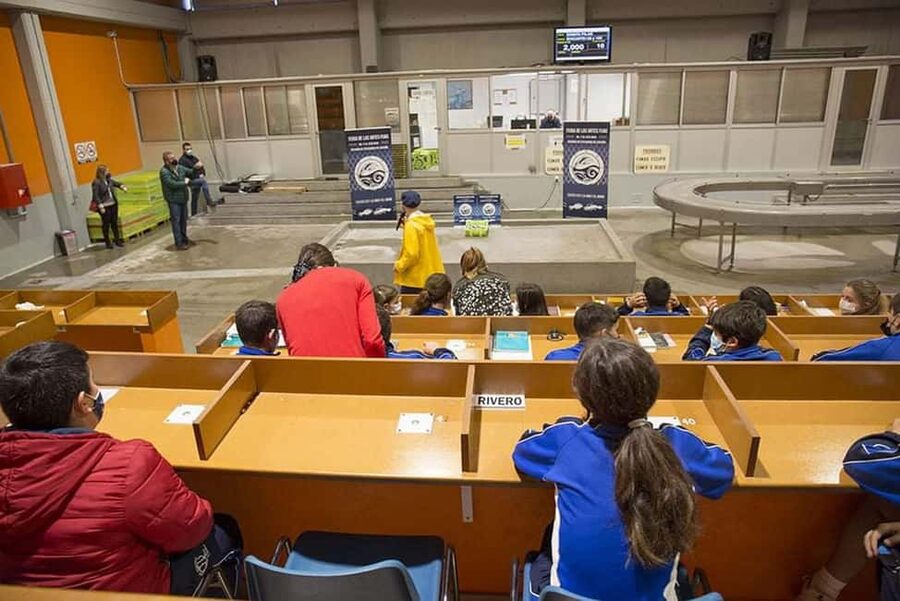
- You’ll see how the catch gets sold, including the auction vibe and details like ship registrations.
- The Anchovy Art Gallery is about the machines, with antique equipment going back to the early 1900s.
- You’ll watch filleting know-how in action, including a demonstration by a skilled worker.
- Expect a structured food tasting, focused on freshly prepared anchovy fillets.
- Nicolás brings extra explanation tools, not just a standard talk.
Santoña’s port and market: where today’s auction becomes lunch
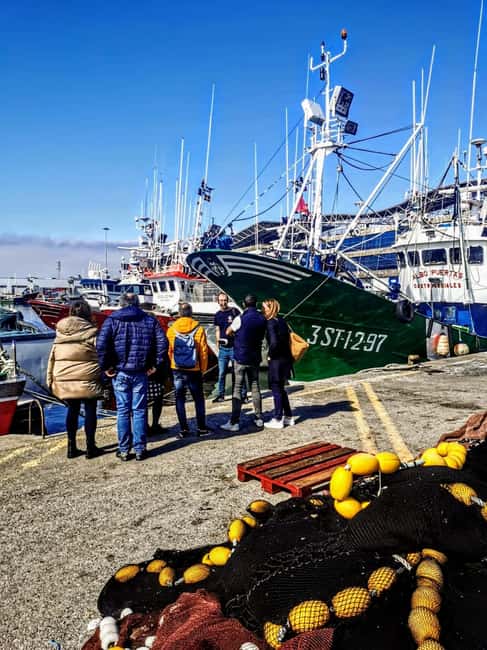
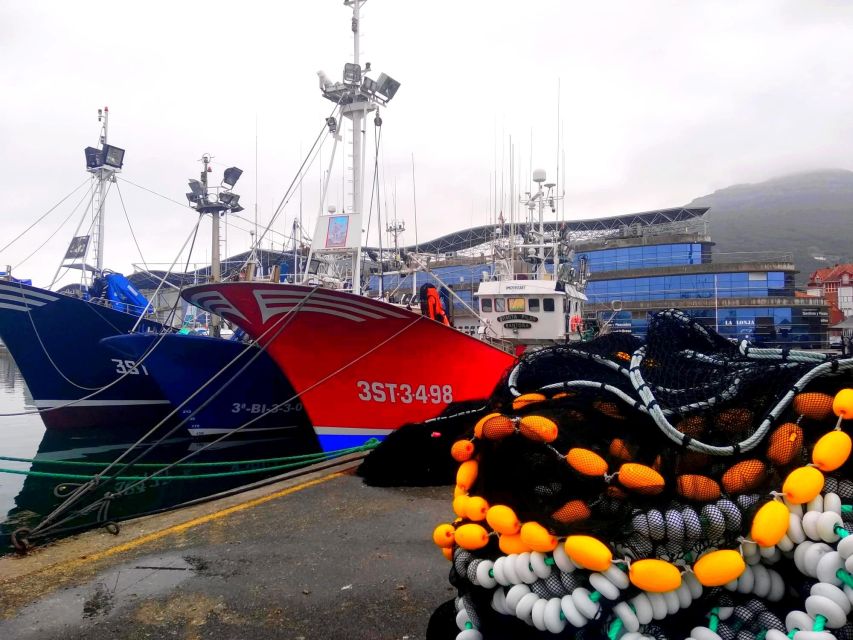
Santoña runs on the sea, and this tour starts by putting you right where the day begins: at Mirador de las marismas / Puerto de Santoña. From the first moments, it’s not theory. You’re surrounded by the practical stuff—boats, labels, gear, and the steady motion that makes a fishing town feel alive without trying too hard.
You’ll take a guided walk focused on how one of Cantabria’s bigger fishing hubs works. That means you learn what you’re actually looking at when you see the working fleet. You’ll also pick up the basics behind purse seine vessels and how people read ship registrations. If you’ve ever stood near a port and thought, I have no clue what that all means, this is the antidote.
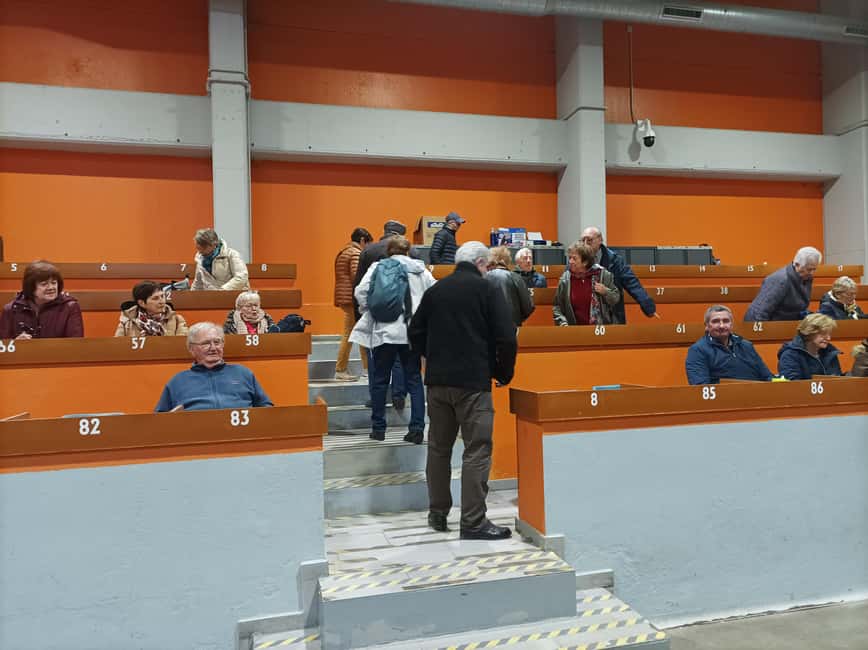
Then comes the auction portion. The catch is sold through a process that feels fast, organized, and very connected to what buyers want that day. The tour doesn’t ask you to guess; it teaches you what the auction is and why timing matters. It’s a small detail, but it changes how you see the market afterward—you start noticing which stalls, vendors, and conversations relate to the day’s catch, not some generic seafood day.
If you like food culture, you’ll appreciate the logic. This isn’t a souvenir stop. It’s a living supply chain—just close enough to feel human.
Learning the language of the fish: purse seine, registrations, and auction basics
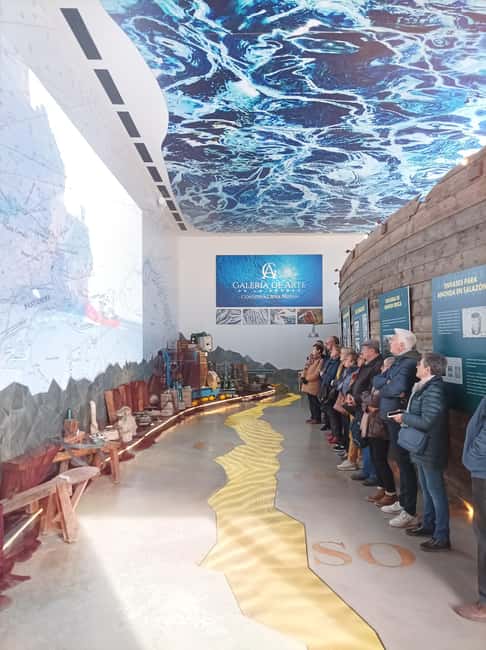
Port scenes can blur together fast if you don’t have a guide. Nicolás helps you separate what’s important from what’s noise. You’ll hear what a purse seine vessel is, why these boats matter for the region, and how the systems around fishing are built for efficiency.
You’ll also get brief, clear help decoding ship registrations. It’s one of those things that seems boring until it clicks—then suddenly the port makes sense like a map. You stop seeing random numbers and start seeing identity, operations, and the daily rhythm behind the fleet.
And yes, the auction process is the centerpiece. Even if you’ve never seen fish sold in an auction setting, you’ll learn what happens from the moment the day’s catch is being handled to the point where it turns into products you’ll find at the market. This is where the tour earns its keep: you’re not just looking at seafood. You’re seeing the decision-making behind it.
A practical note for your expectations: port work has its own pace, and you’ll be moving around while listening. Wear comfortable shoes. And if you’re sensitive to the smell that comes with fish handling, this part might be an adjustment—especially if you expect a totally odor-free museum day.
Conservas Ana María’s Anchovy Art Gallery: antique machinery with real purpose
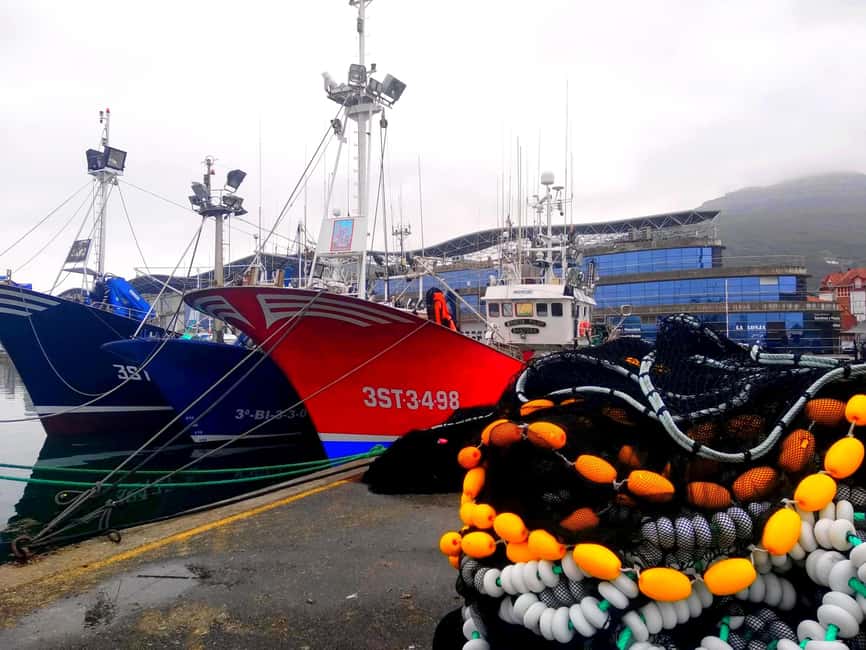
After the port and market portion, the tone shifts—still focused on anchovies, but now you get the “how” in a different way. You step into Conservas Ana María, the Anchovy Art Gallery, where the story is told through old equipment.
This is where history becomes practical. You’ll see a collection of antique machines dating back to the early 20th century. The point isn’t nostalgia for its own sake. The machines show how filleting and processing were designed before modern convenience took over. You can literally track how the work gets broken into steps and controlled with tools that have their own logic.
I liked that this visit doesn’t treat anchovies like a mystery box. Instead, it frames them as craft. The gallery feels like you’re walking through an explanation manual, except the explanation is physical and you can look at every part.
If you’re the type of person who loves watching how things are made—food, textiles, woodworking—this stop will hit your sweet spot. You’ll notice the contrast between what’s chaotic at the docks and what becomes controlled inside a processing space.
The filleting demo and Sicilian roots: why origins matter
In the gallery, you’ll learn about the origins and the method behind anchovy preparation. One of the most interesting pieces here is the mention of the Sicilian origins of anchovy filleting in the Cantabrian Sea. That detail matters because it explains why techniques traveled, adapted, and became part of local identity rather than staying fixed in one place.
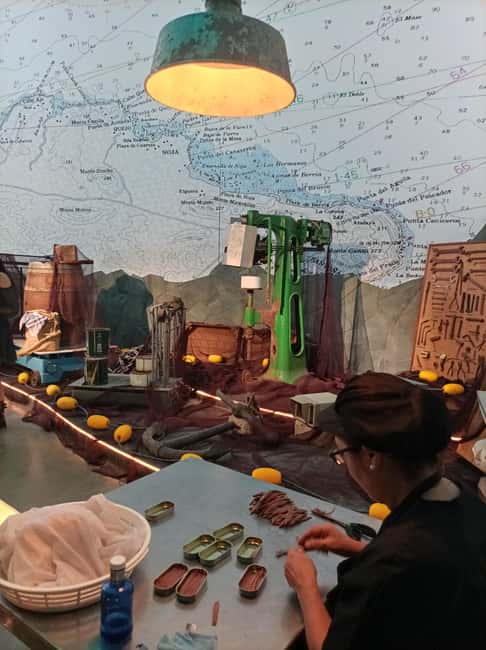
Then you get the hands-on element: you’ll witness a demonstration by a skilled worker on the art of filleting anchovies. Watching someone work changes everything. It turns what sounds like a simple task into a series of precise movements—fast, careful, and repeatable.
This is also where you see what “art” means in this context. Not art as decoration, but art as technique. The worker’s pace and the control of the process show why the final product tastes like it does. You can stand there thinking, So that’s what makes the difference.
If you’re curious about food beyond eating it—if you want to understand how culture becomes flavor—this section earns its time.
The market-to-bite payoff: anchovy tasting where it’s made
The day doesn’t end with pictures and good intentions. It ends with food, in the most logical place possible: at the bar/shop within the Anchovy Art Gallery.
You’ll savor freshly prepared anchovy fillets. The tasting is simple in concept—eat the result—but smart in execution. Because you already saw the port and the auction steps, the tasting doesn’t feel disconnected. It feels like the last page of the story.
I like that the tasting is anchored in the same setting that’s teaching you the processing details. You can connect the taste to what you learned about the tools, the technique, and the craft. It also means you’re not just tasting “anchovies” in the abstract. You’re tasting a regional specialty prepared with local methods.
One more small consideration: the taste and saltiness of anchovies are not subtle. If you’re new to them, start with small bites and pay attention to texture and salt level rather than expecting a mild flavor. If you already love anchovies, you’ll likely find yourself comparing what you taste to what you’ve had elsewhere—and noticing the difference.
Price, time, and value: is €20 worth it?
The tour price is listed as $20 per person, and it includes entry to the Anchovy Art Gallery plus the anchovy fillet tasting. For a one-day food-and-port experience, that’s a solid value, especially because you’re getting more than just museum access.
You’re paying for three things together:
- Guided port context (so you know what you’re looking at)
- Museum-style access with antique machinery and a filleting demonstration
- A tasting that lets you judge the product at the source
That combination is the key. If this were only the gallery, you’d still learn a lot. If it were only the port, you’d gain atmosphere. Together, they turn the day into an actual story: catch → auction → processing → fillets → tasting.
At a 4.5 rating based on a handful of bookings, you’re also not just buying a random stop. The strong scores align with what matters most for this kind of tour: clear explanations, good pacing, and a guide who knows the subject and communicates it.
The only reason it wouldn’t be worth it is if you don’t eat anchovies or you don’t want to watch processing. Otherwise, it’s one of those “short day, big understanding” experiences.
Who should book this tour (and who should skip it)
This tour fits best if you want authentic local food culture with context. I think it’s especially good for:
- Food lovers who like seeing the work behind ingredients
- Travelers who enjoy ports and markets when someone explains what you’re seeing
- People who want a hands-on element, not just a walk and photos
You might skip it if:
- You dislike anchovies or don’t eat fish, since tasting is part of the experience
- You expect a long, relaxed sightseeing day with lots of free time (this is structured around specific stops and learning moments)
If you’re visiting Cantabria and want something that feels tied to place—not just a generic “eat a snack” plan—this one makes a lot of sense.
Planning notes: timing, language, and how to get the most out of it
The tour runs for 1 day and includes live guiding in Spanish, French, and English. Your start and end point is at Mirador de las marismas / Puerto de Santoña, so you don’t have to figure out complicated meeting logistics beyond getting to that area.
Wear comfortable shoes for the port walk. Dress for coastal weather; Cantabria can shift quickly, and you’ll likely spend time outdoors before moving to the gallery.
The biggest practical tip: come with a curious mindset. Ask questions about what you’re seeing in the port and about the steps of filleting in the gallery. Nicolás C. Servicios Turísticos guide Nicolás is praised for being passionate and for bringing extra online and physical material to help things click. Take advantage of that.
If you’re the type who likes to take photos, there’s also a short photo stop at the port area, but it’s time-managed, so don’t expect endless wandering.
Booking-wise, you have options like free cancellation up to 24 hours in advance and the ability to reserve now and pay later. Since start times can vary, check the available starting times when you book.
Should you book Santoña’s Anchovy Art Gallery tour?
I’d book it if you want an anchovy experience that goes beyond taste. The value is in the way the day connects the port auction to the processing craft inside the Anchovy Art Gallery, then hands you a tasting so you can judge the result. That structure makes it more than a stop—it’s a story you can walk through.
Skip it only if anchovies (or fish processing) aren’t your thing. Otherwise, it’s a very Cantabria way to spend a day: practical, local, and taught by someone who clearly cares about the subject.
FAQ
Where does the tour start and end?
The tour starts and ends at Mirador de las marismas / Puerto de Santoña.
How long is the experience?
It’s a one-day experience.
How much does it cost?
The price is listed as $20 per person.
What’s included in the price?
Entry to the Anchovy Art Gallery and an anchovy fillet tasting are included.
Will I taste anchovies during the tour?
Yes. The tour includes a tasting of freshly prepared anchovy fillets.
What languages are offered for the live guide?
The live tour guide is available in Spanish, French, and English.
What do you see at the port?
You’ll learn about the daily workings of the fishing port, including purse seine vessels, ship registrations, and the auction process.
What happens inside the Anchovy Art Gallery?
You’ll visit the gallery at Conservas Ana María, see antique machinery from the early 20th century, and watch a demonstration by a skilled worker on anchovy filleting.
Is there free cancellation or pay-later booking?
Free cancellation is available up to 24 hours in advance for a full refund, and there’s also a reserve now & pay later option.
If you want, tell me your travel dates and whether you like anchovies already or are trying them for the first time, and I’ll help you decide if this is the right fit for your Cantabria plan.