REVIEW · STAVANGER
Stavanger: 5-Hour Fishing Trip with Equipment and Guide
Book on GetYourGuide →Operated by Adventures in Norway AS · Bookable on GetYourGuide
Salt air and a line in the water. This Stavanger sea fishing outing sends you from your hotel to the harbor for about 5 hours on the boat, fishing near Randaberg or Sirevåg with a professional guide. I really like the hotel pickup setup and the way you get fishing basics fast once you’re on board.
There’s one drawback to plan for: this trip’s experience can swing with real-world factors like weather and how smooth the crew experience feels that day.
In This Review
- Key things I’d zero in on
- Hotel pickup, bus ride, then you’re casting from a real fishing boat
- Two water areas near Stavanger: Randaberg or Sirevåg
- The guide setup: help for beginners, but communication quality can vary
- Casting time on the boat: what the fishing portion actually feels like
- Scenery and downtime: why this isn’t only about catching fish
- How long is the whole thing, and where the time really goes?
- Price and value: $313 per person, and where it can feel worth it or not
- What to bring (and what to wear) so you’re comfortable out there
- Rules on board: alcohol, smoking, pets, and gear handling
- Small-group size: the good part (and why it can get weird)
- Weather reality: favorable conditions are promised, but plan for change
- Should you book this Stavanger fishing trip?
- FAQ
- How long is the fishing trip from Stavanger?
- Is pickup and drop-off included in Stavanger?
- Where will we fish: Randaberg or Sirevåg?
- What fishing equipment is included?
- Is there an extra fee if tackle gets broken?
- What languages are available for the guide?
- How big is the group?
- What should I bring with me?
- Who is this trip not suitable for?
Key things I’d zero in on
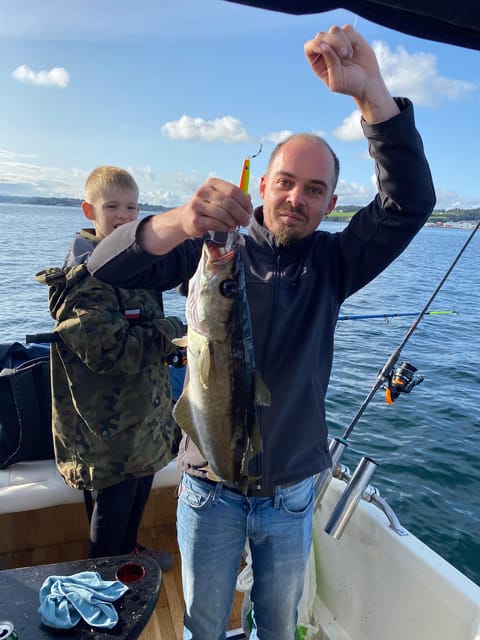
- Hotel pickup and drop-off in Stavanger, so you’re not doing logistics on travel day
- Small group size (max 6), which usually makes it easier to get help when you’re new
- Fishing guidance on the water, not just a list of rules and good luck
- Gear included, plus a clear note that a broken tackle set can cost extra (250 NOK)
- Randaberg or Sirevåg waters, meaning you’re fishing actual coastal sea locations around Stavanger
Hotel pickup, bus ride, then you’re casting from a real fishing boat
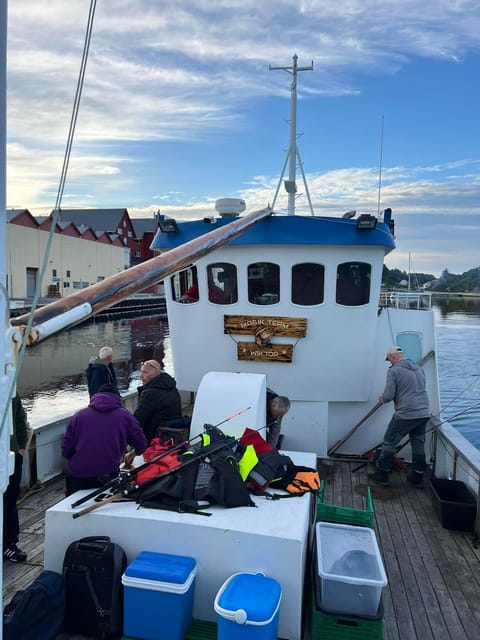
This tour is built around a simple idea: you don’t drive, you don’t arrange gear, and you don’t guess where to stand. You start in Stavanger, get picked up and taken by coach to the harbor area, then head out by boat for the main fishing time. The total schedule clocks in around 390 minutes, with about an hour there and an hour back, and roughly 5–6 hours for the cruise portion.
Why that matters for you: sea fishing takes a little mental effort even before you get started. When pickup and return are handled, you’re free to focus on the actual experience—learning what to do, watching what others do, and figuring out the right pace for casting without rushing.
Also, keep your expectations realistic about timing. If weather is poor, you’re still on Norway time, meaning plans can bend. That’s not unique to this trip, but it’s something to mentally budget for.
Two water areas near Stavanger: Randaberg or Sirevåg
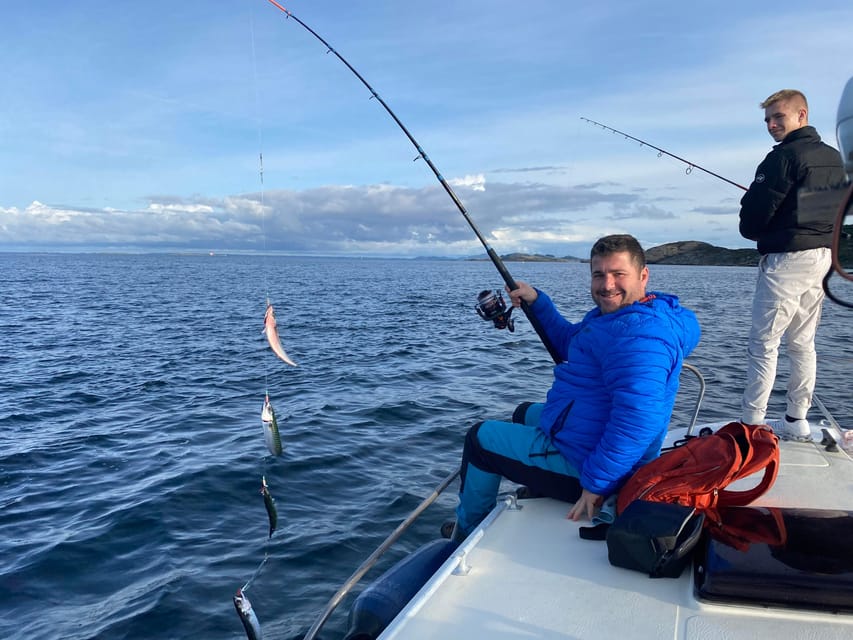
The boat goes to fishing waters described as around Randaberg or Sirevåg. You won’t be stuck fishing off some generic pier. This is coastal sea fishing, where small shifts in location can make the difference between a quiet line and action.
What I like about this setup is that it’s flexible. When conditions change, crews often adjust where they fish. A captain who knows the nearby areas can matter a lot more than the brand of rod in your hand.
One note: even when you’re not catching constantly, being on the water in this part of Norway is part of the payoff. You get big-sky coastal scenery while you wait for bites.
The guide setup: help for beginners, but communication quality can vary
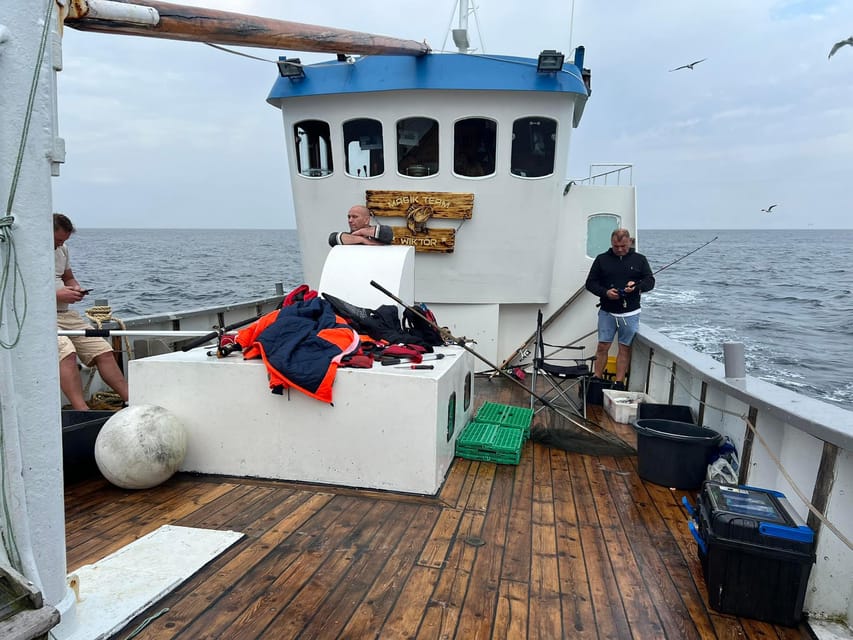
You’ll have a professional instructor/guide during the trip, and the activity lists live tour guidance in English and Polish. For first-timers, that’s a big deal. Knowing what kind of bait to use, how to handle gear in saltwater, and when to stop fiddling and actually fish can save your day.
That said, here’s a practical consideration: language and tone may not always match your expectations on the water. In at least one case, a booked English-guided experience ended up with staff who weren’t comfortable delivering everything in English, and the group dynamic felt tense—especially for a teen who didn’t feel confident asking questions. Another comment praised a skipper strongly, so the potential upside is real.
My advice: if you’re relying on English guidance for safety and confidence, go in ready to learn visually too. If you’re the type who needs reassurance fast, don’t be shy about asking for a simple re-run of instructions early—like how to cast, how to retrieve, and what to do if a line snags.
Casting time on the boat: what the fishing portion actually feels like
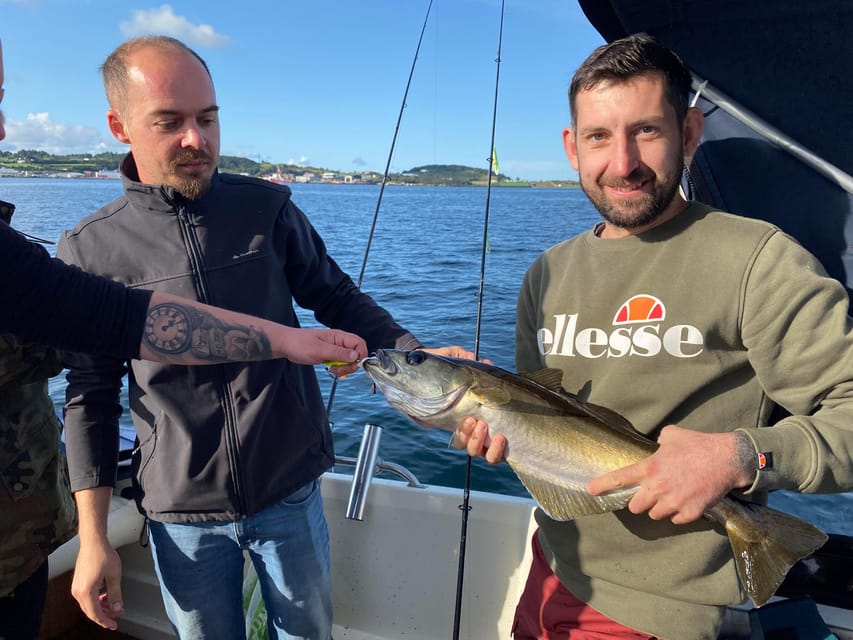
Once you board, you’ll get sea fishing equipment. The included setup mentions a fishing rod and one fishing set. You’ll cast your line and try your luck at catching fish in Norwegian coastal waters.
From a value standpoint, what you’re really buying here is the combination of:
- Access to a small fishing boat in the right area
- A captain’s local knowledge
- Someone helping you not waste the first hour
One detail worth knowing: rods and bait can be prepared quickly, so you’re not standing around waiting. That’s huge when you’re new—time on the water matters more than impressive-sounding instructions.
What to watch for: tackle care. There’s an extra charge if a fishing set is broken (250 NOK). That’s normal enough—saltwater gear isn’t cheap—but it can feel like a surprise if you don’t handle it gently.
Also, if you’re seasick-prone, be honest with yourself. This isn’t a shoreside demo where you can step back whenever you want.
Scenery and downtime: why this isn’t only about catching fish
Even if fishing is slow, you’re still out on the water for hours. Norway’s coastline around Stavanger is dramatic enough that you’ll notice it between attempts and line checks. The trip is also described as taking place in favorable weather conditions, but real life happens, and some days can be rough.
Here’s the mindset that helps: treat catching fish as a bonus, not the sole goal. You’ll still get the core experience—time on a working-style boat, local instruction, and the rhythm of sea fishing.
If the weather turns, you may spend more time holding gear, adjusting clothing layers, and waiting. Bring that “quiet patience” mindset, and you’ll enjoy the day more.
How long is the whole thing, and where the time really goes?
The overall duration is listed as 390 minutes. The structure is basically:
- Pickup in Stavanger
- Coach ride to the harbor (about 1 hour)
- Boat cruise for about 5 hours (with the note that the cruise can run 5–6 hours)
- Coach ride back (about 1 hour)
- Return to Stavanger
This matters because sea days aren’t only the time on the boat. The drive, gear handoff, and safety talk all take real time. If you’re planning another activity that evening, don’t book something tight right after you expect to return.
Price and value: $313 per person, and where it can feel worth it or not
At $313 per person, you’re paying for more than a bit of fishing time. You’re paying for:
- Transportation (pickup and return)
- Access to the boat and fishing location
- A professional guide
- Included sea fishing equipment
Whether it feels like a win depends on how smoothly the day runs and how much time you spend actually fishing versus waiting, adjusting, or dealing with unexpected extras.
Some comments praised the value of having a captain guide you to good areas and having rods and bait ready fast. Others felt it was expensive for what they experienced, especially when the boat felt smaller than expected and when costs or rules around tackle loss weren’t clear ahead of time.
Here’s my practical take: if you’re a true beginner who wants hands-on help and you’re fine with the possibility of a day that doesn’t produce constant action, this can be money well spent. If you’re extremely picky about boat comfort and want a guaranteed smooth, high-polish operation every time, I’d approach with caution.
What to bring (and what to wear) so you’re comfortable out there
The essentials list is simple, and it’s right:
- Camera
- Sunscreen
- Water
- Comfortable clothes
But for the sea itself, your best friend is clothing that handles changing conditions. Wear layers. Wind off the water can change everything fast, even if you start warm.
Also, think about your non-slip footing. You’ll be on a boat deck, and you’ll likely move around more than you expect.
If you don’t swim well or you’re prone to seasickness, that’s a serious mismatch. This trip explicitly notes it’s not suitable for non-swimmers and people prone to seasickness.
Rules on board: alcohol, smoking, pets, and gear handling
The trip lists clear behavior rules:
- No pets
- No smoking
- No alcohol and drugs
On gear, there’s an important financial detail: if you break a fishing tackle set, you pay 250 NOK to the captain. That’s straightforward, but handle your equipment with care. Don’t improvise with force. Saltwater gear needs gentle treatment.
Safety notes from comments include that life jackets might not be issued in the way you’d expect on every boat. That’s not spelled out in the basic tour information here, so I can’t promise what you’ll see on your departure. Still, it’s smart to ask what’s available at the start and act accordingly.
Small-group size: the good part (and why it can get weird)
The group is limited to 6 participants, which can be a real plus. Smaller groups usually mean more attention, more chance to ask questions, and fewer people competing for the guide’s time.
In one instance, the trip ended up with only two booked participants, which can change the dynamic aboard. When fewer people are booked, the “support cast” can shift, and so can the tone of the day. That’s not automatically a problem, but it’s worth knowing: a small group can feel personal in a good way, or a little tense in a bad way.
Weather reality: favorable conditions are promised, but plan for change
The activity description says the cruise will take place in favorable weather conditions. Yet at least one day didn’t run as planned and got postponed multiple times before cancellation. Another comment called out bad weather but still found the experience good.
So your best strategy is to check the forecast right before you go and dress for wind and wet. If you’re hoping for perfect conditions, you should also hold some flexibility in your schedule.
Should you book this Stavanger fishing trip?
I’d book it if:
- You want a guided Norwegian sea fishing experience with pickup from Stavanger
- You like learning from a guide and you’re okay with a day that’s more about the trip than a guaranteed haul
- You value a small group setup where you can get help quickly
I might skip or rethink it if:
- You need highly reliable English guidance and you’re worried about communication gaps
- You’re sensitive about boat comfort and want a very polished operation
- You’re prone to seasickness or you’re not comfortable around open water situations
If you do book, go in with the right expectations: you’re paying for access, instruction, and time on the water—fish are never fully guaranteed in the sea. And if something feels off early, say so. A good guide can fix a day fast.
FAQ
How long is the fishing trip from Stavanger?
The total duration is listed as 390 minutes, and the boat cruise portion is described as lasting about 5–6 hours.
Is pickup and drop-off included in Stavanger?
Yes. The tour includes pick-up and drop-off service, and you’ll wait for the bus with the Adventures in Norway logo.
Where will we fish: Randaberg or Sirevåg?
Fishing takes place in Norwegian waters described as Randaberg or Sirevåg.
What fishing equipment is included?
You’re provided with sea fishing equipment, including a fishing rod and one fishing set.
Is there an extra fee if tackle gets broken?
Yes. Each broken set is payable to the captain at 250 NOK.
What languages are available for the guide?
The live tour guide language options listed are English and Polish.
How big is the group?
The group is small, limited to 6 participants.
What should I bring with me?
Bring a camera, sunscreen, water, and comfortable clothes. Wearing layers is strongly recommended because conditions can change.
Who is this trip not suitable for?
It is not suitable for non-swimmers or people prone to seasickness.