REVIEW · HANGA ROA
Ancestral fishing: Fishing with an experienced Rapa Nui
Book on GetYourGuide →Operated by Kapua Tours & Experience · Bookable on GetYourGuide
Ancient fishing turns the ocean into a classroom. This private ancestral fishing experience pairs a native Rapa Nui boat session on the Pacific Ocean with short cultural stops around Hanga Roa, so you’re not just fishing, you’re learning the why behind it. I especially liked the hands-on guidance from local fishermen and the chance to see island coastal spots up close before heading out. The main drawback to weigh is that the time is only 3 hours, and if fishing conditions are slow (it happens), your catch can be modest.
One more thing I liked: the guide effort feels real. Even when fish weren’t biting, the team kept working the water and used familiar knowledge to steer you through productive areas, plus you still get those big open-ocean views. Still, language matters. If you’re relying on Spanish and your level is low, you may struggle to follow along during the fishing instructions and cultural talk.
In This Review
- Key things you’ll notice right away
- Why ancestral fishing off Rapa Nui feels more personal than a regular boat day
- The 3-hour flow: pickup, cultural stops, then Pacific fishing time
- Hanga Piko and Ana Kai Tangata: quick context, quick views
- The longer guided visit at 554GVCR7+PCW: why the extra time matters
- Fishing in the Pacific Ocean with Rapa Nui knowledge: what you’ll do out there
- Snorkeling equipment and lifejacket: water prep that’s actually useful
- Comfort checklist for sandals, sun, and changing ocean conditions
- Your catch: cooked by the fishermen, and how to handle leftovers
- Language and guidance: when English helps and when Spanish can slow you down
- Price and value check for $180 per person
- Weather, fish, and time limits: set yourself up for a good day
- Who should book this ancestral fishing tour
- Should you book? My practical take
- FAQ
- How long is the ancestral fishing experience?
- Where does pickup happen?
- Is the group private?
- What’s included with the tour?
- Is food included?
- Will I be able to take fish home?
- What languages are available?
Key things you’ll notice right away
- Private group experience with pickup and return from your hotel area in Hanga Roa
- Local Rapa Nui fishermen guiding the full process, from setup to catching fish
- Pacific Ocean boat time that goes beyond a typical sightseeing cruise
- Cultural stops that give context before (and between) fishing moments
- Snorkeling equipment and lifejacket included, so you’re prepared for water time
- Your catch is handled and cooked by the fishermen, but plan for practical transport if you want to take any fish with you
Why ancestral fishing off Rapa Nui feels more personal than a regular boat day
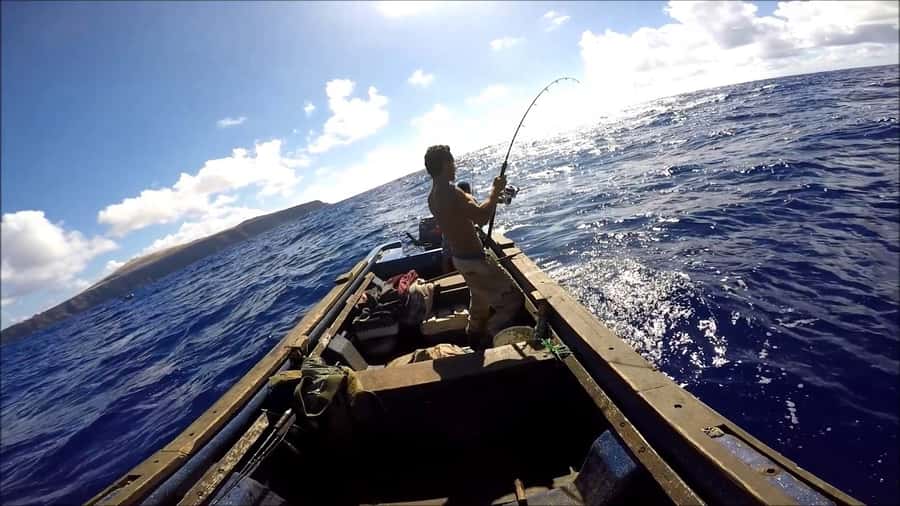
Rapa Nui is famous for moai, sure. But this is different. When you fish with an experienced Rapa Nui—not a generic tour crew—you get a sense of how coastal life works here. You’re learning the method through doing it, not watching it from a distance.
I also like that this isn’t framed as a constant performance. You’ll spend real time on the water, then you’ll move through a couple of cultural stops around the Hanga Roa area. That combination helps you connect the fishing to the island itself, not just the activity.
Do note one expectation: fishing success isn’t guaranteed. The ocean decides a lot. What you’re paying for is the local knowledge and effort—not a promise of a basket full of fish.
The 3-hour flow: pickup, cultural stops, then Pacific fishing time
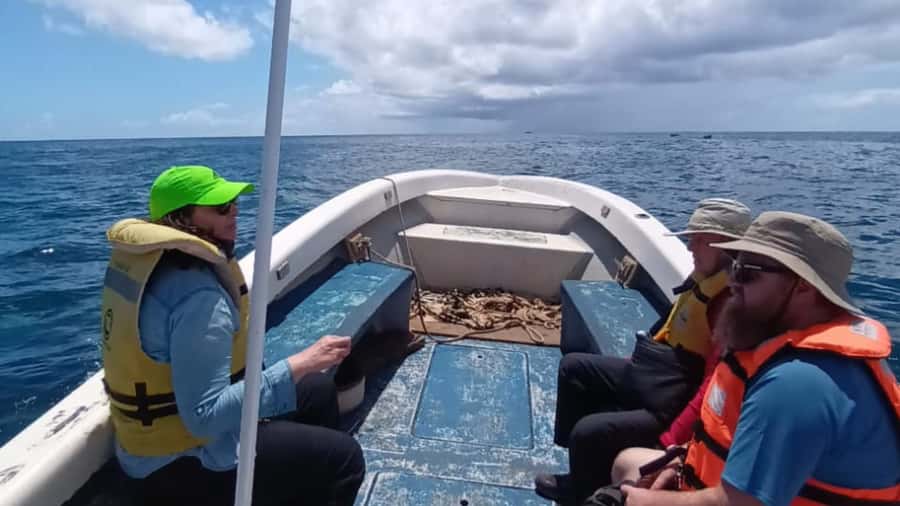
This tour is compact. Plan on a tight timeline from pickup to being back at Hanga Roa. You’ll start with hotel pickup, then head out for quick guided stops before you get to the fishing portion.
Here’s how the day tends to feel when it’s running smoothly:
- You meet the team in Hanga Roa and get ready for the day.
- You make a short guided stop at Hanga Piko.
- You take a photo stop at Ana Kai Tangata.
- You spend a longer guided stretch at the mapped location marked 554GVCR7+PCW.
- Then you head out to fish in the Pacific Ocean and finish back where you started.
That longer guided segment before the ocean is a big reason the tour feels more than just “go fish, come back.” It sets the stage. The drawback is simple: there’s less slack time if you’re hoping for a longer fishing session.
Hanga Piko and Ana Kai Tangata: quick context, quick views
You get two short stops that act like bookends for the fishing day.
At Hanga Piko, there’s a guided moment (about 10 minutes). It’s not a long museum-style stop. It’s more like getting your bearings and hearing a local explanation before you’re out on the water.
Then you move to Ana Kai Tangata for a photo stop (also about 10 minutes). Expect a scenic break. It’s the kind of stop where you can capture the coast and the island setting so the rest of the day makes more sense.
If you’re the type who gets impatient on short guided walks, these stops might feel brief. But for most people, they’re just enough to add meaning without eating your limited 3 hours.
The longer guided visit at 554GVCR7+PCW: why the extra time matters
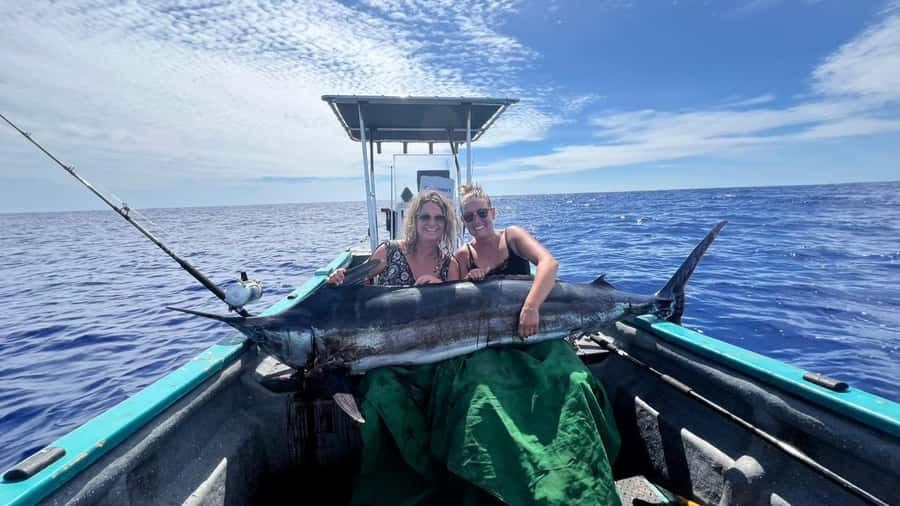
One part of this tour is notably longer: a guided segment at the location marked 554GVCR7+PCW (about 2 hours). That’s where the tour shifts from “activities” to “understanding.”
Why I think this matters for value: ancestral fishing isn’t random. It’s connected to local knowledge, patterns of where things are, and how people historically used the sea. Even if you only absorb a portion of the talk, the longer guided stop helps you treat the fishing as cultural practice rather than a simple thrill ride.
There’s one practical caveat. Since the guided visit is long, the ocean portion can feel more concentrated and time-bound. If you’re mainly there for fishing and nothing else, keep that in mind.
Fishing in the Pacific Ocean with Rapa Nui knowledge: what you’ll do out there
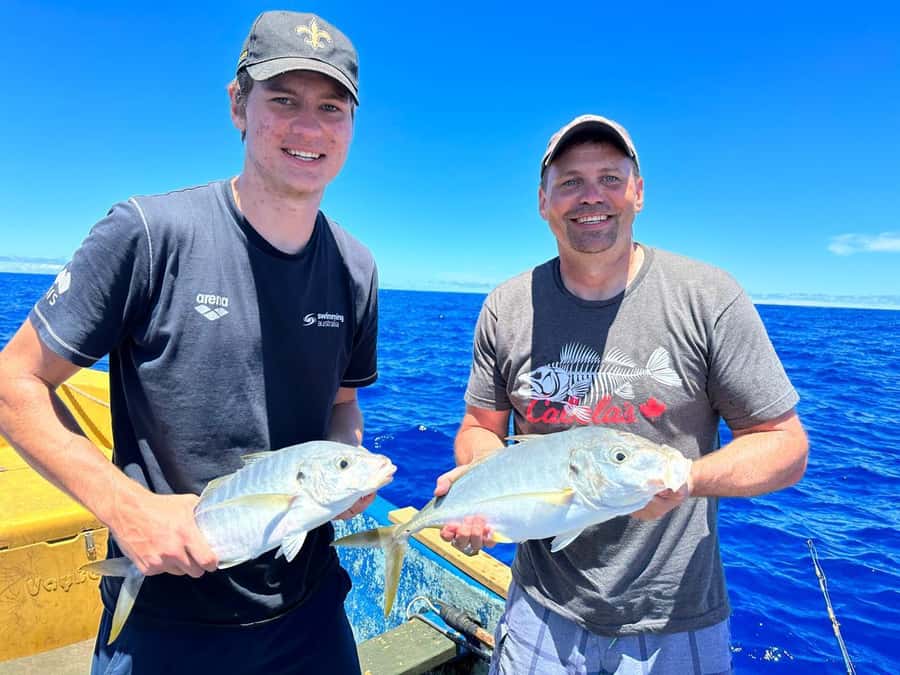
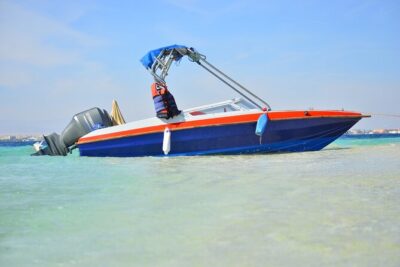
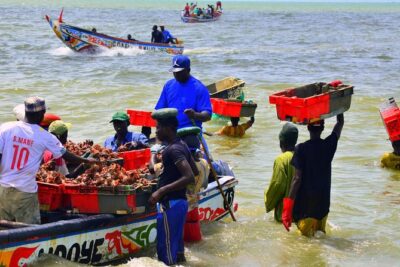
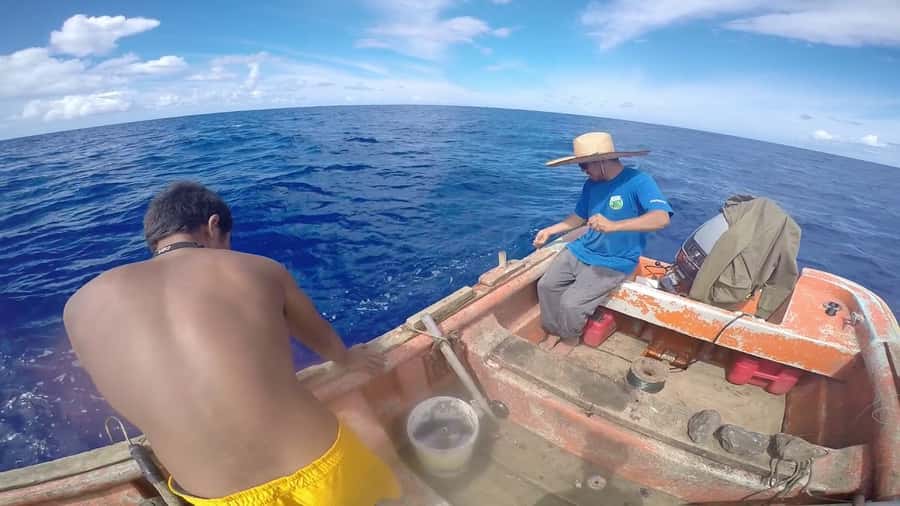
The heart of the experience is the boat expedition with native Rapa Nui fishermen. You’ll go out into the Pacific Ocean to fish, and the fishermen guide you through each stage.
Based on what’s described, the process includes:
- Preparing fishing equipment with the team
- Learning the fishing approach they use
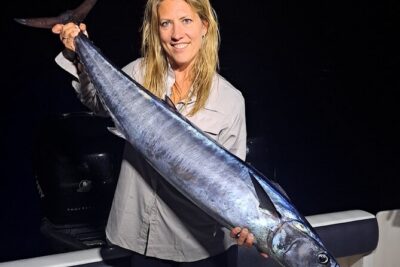
- Catching fish (when conditions allow)
- Getting guided instruction step-by-step, not just being handed a rod
I love that the guides are described as experts in their techniques. That’s usually what turns a fishing tour from tourist fishing into real learning. You’re not just pulling because the guide said so. You’re learning how they think about the water and where they work.
Also, if it’s not a great fishing day, the guide effort is part of the experience. On at least one recent day, fish weren’t biting well, so the team steered and tried areas they knew were hot. In another case, the group even got close to well-known birdman areas and saw the islands from the water. Translation: you can still have a strong day even if the fish are being stubborn.
Snorkeling equipment and lifejacket: water prep that’s actually useful
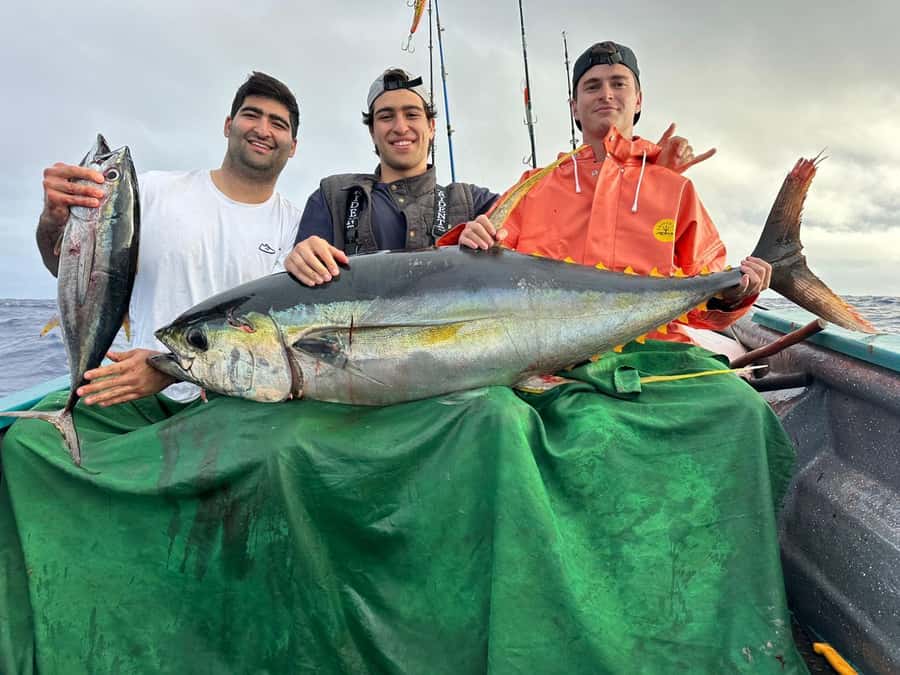
This tour includes snorkeling equipment plus a lifejacket. That’s a big practical win because you don’t have to scramble for gear in town.
Even if snorkeling isn’t the main headline, having the equipment means you can use the water time how it fits the day. The lifejacket inclusion also removes uncertainty. You’ll be suited up without having to hunt down safety gear yourself.
What to do with this info: bring the right base layers for salt air. Expect to get wet or to be sprayed. If you hate soggy clothes, plan a change of clothes and put it in something that seals.
Comfort checklist for sandals, sun, and changing ocean conditions
This is a water-based tour, so your clothing matters more than usual. Bring:
- Comfortable shoes
- Sandals
- Change of clothes
- Sunscreen and beachwear
Here’s how I interpret that list. Comfortable shoes help for moving around at pickup and during transitions. Sandals work for wet deck moments. Sunscreen is non-negotiable under Pacific sun, especially if you’re in and out of boat shade. And the change of clothes is your reward at the end.
Also, bring a simple plan for your camera/phone. Saltwater and splashes don’t care that you packed carefully. Use a small waterproof pouch if you have one.
Your catch: cooked by the fishermen, and how to handle leftovers
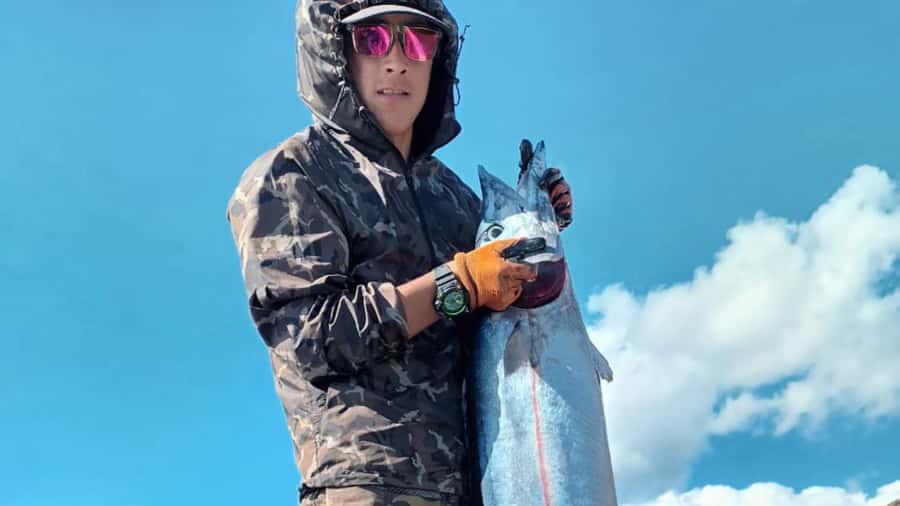
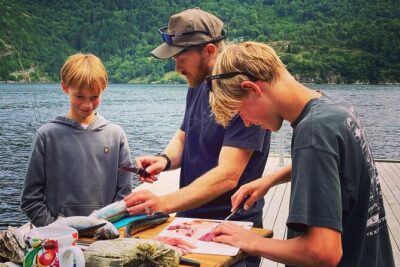
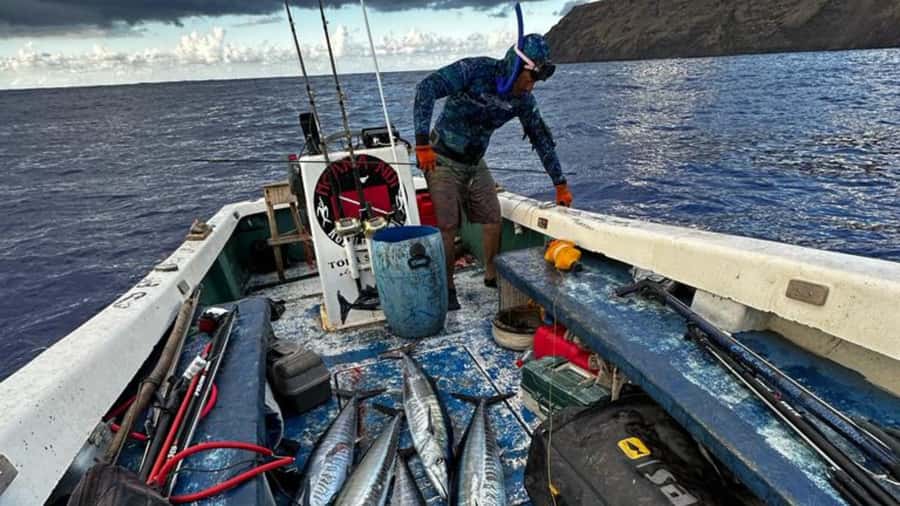
A key promise here is that the fish you catch will be prepared by the fishermen. That means you’re not just bringing home a story—you may get a local meal as part of the experience.
Now, the tour information also lists Food as not included. So I’d treat the meal as dependent on what the fishermen prepare that day, rather than a full restaurant-style guarantee. If eating is important to you, ask ahead what’s typically served from your catch.
One more very practical point: plan for fish transport. The catch may not be filleted. One useful tip from real experience: if you want to take fish back, bring a cooler and bags, because raw fish can be messy. Without proper container use, it can get chaotic fast.
Language and guidance: when English helps and when Spanish can slow you down
The tour runs with English and Spanish. In an ideal world, you’ll be able to follow the fishing steps easily in the language you’re most comfortable with.
In practice, I’d take the language warning seriously. One confirmed booking notes that the guide spoke great English, which can be a comfort if you don’t speak much Spanish. Another booking mentioned that Spanish that is only intermediate may be hard to manage.
So here’s your best move: if your Spanish is low, choose English if it’s available with your guide, and don’t assume technical fishing terms will be easy to catch on the fly. Ask questions early during setup, when you have more time to connect the instructions.
Price and value check for $180 per person
At $180 per person for about 3 hours, you’re paying for three things: local access, equipment, and a private structure.
You get:
- Pickup and return in Hanga Roa
- Fishing equipment
- Snorkeling equipment and lifejacket
- A private group experience
- A native Rapa Nui perspective, including cultural context and hands-on fishing guidance
Is it cheap? No. But it’s also not just “rent a boat.” The value comes from the local fishermen leading the process and the extra guided time that connects the fishing to island life.
The one “value risk” is the ocean itself. If fish aren’t biting, you might feel the price more than if the catch is plentiful. However, the good sign here is that the team works to find areas where fishing improves, so the day isn’t a sit-and-hope situation.
If you’re a serious Rapa Nui activities person—meaning you don’t just want photos—you’ll likely feel the value quickly.
Weather, fish, and time limits: set yourself up for a good day
Fishing on Rapa Nui can be affected by conditions. One booking was postponed by a day due to weather, and the trip felt short afterward. That tells me two things:
- Weather can change your plan.
- The experience is still worth doing, even if it happens on a compressed schedule.
For your mindset, I’d go in ready for two outcomes:
- You’ll learn and do the fishing process with real guidance.
- The quality of the catch depends on conditions that day.
Even when the bite is weak, you can still have a strong experience if you care about views, local knowledge, and the effort of the fishermen. The ocean time plus the island scenery can still feel memorable.
Who should book this ancestral fishing tour
This is a great fit if you:
- Want hands-on fishing with local Rapa Nui fishermen, not just a casual coastal cruise
- Enjoy cultural context alongside an outdoor activity
- Prefer a private group day with pickup included
- Are comfortable getting wet and don’t mind a tighter schedule
Consider a different option if you:
- Need a guaranteed big catch
- Get frustrated when activities depend on weather
- Need a lot of English-only narration and you’re not comfortable navigating Spanish as backup (unless English is confirmed for your group)
Should you book? My practical take
If your Rapa Nui visit already includes moai time, this is one of the better ways to add something real and local. I’d book it if you value the process: the guidance, the cultural stops, and the feeling of learning an island tradition firsthand.
I wouldn’t oversell it as a guaranteed fish-fest. The ocean decides. But when the bite is slow, the best sign is that the team tries known areas and keeps working rather than shrugging and calling it done.
If you go, bring the comfort stuff, plan for mess if you want to transport fish, and pick the language that matches your strength. That combo makes the day much smoother.
FAQ
How long is the ancestral fishing experience?
The duration is 3 hours.
Where does pickup happen?
Pickup and return are in Hanga Roa, with pickup available at any place you want in that area.
Is the group private?
Yes. It’s listed as a private group.
What’s included with the tour?
Included items are pickup and return to your hotel, snorkeling equipment, a lifejacket, and fishing equipment.
Is food included?
Food is listed as not included. The tour description also says your catch will be prepared by the fishermen, so what you eat may depend on how it’s handled that day.
Will I be able to take fish home?
The information indicates the fish may not be filleted, so if you want to transport it, you should bring something like a cooler and bags.
What languages are available?
The live tour guide offers English and Spanish.