REVIEW · SOLDOTNA
Half-Day Fishing Trip on the Kenai River
Book on Viator →Operated by Alaskan Angling Adventures LLC. · Bookable on Viator
Kenai River fishing is fast and fun. I love that you can choose fly or spin and get real guidance instead of just being handed a rod. I also like the small-group feel and that your guide handles the gear setup and even cleans your biggest catch. One thing to consider: if you’re brand-new to fly fishing, the Kenai can feel quick and physical in fast current, so you may want to lean on your guide’s approach from the start.
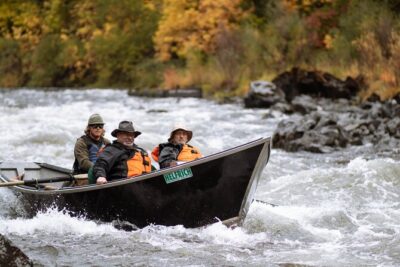
This 4-hour trip is built around drifting and fishing scenic water near the Kenai Mountains and through the Chugach National Forest area. You’ll target native rainbow trout and Dolly Varden char (catch and release), plus the seasonal possibility of sockeye and silver salmon. Wildlife sightings are common, and the scenery is a major part of the payoff.
It’s not the cheapest half-day in Alaska at $463.50 per person, but you are paying for a pro guide, quality tackle, life jackets, and a focused time on the water. Just make sure you bring your license/stamp physically and dress for all-weather boat/riverside time—you’ll be out there regardless of the day’s mood.
In This Review
- Key things I’d watch for before you go
- Why four hours on the Kenai River feels worth it
- Guides and gear setup: the difference between trying and doing
- Fly vs spin vs bait casting: which one matches your comfort?
- Your half-day route: Kenai River to Cooper Landing to the wildlife refuge
- Stop 1: Kenai River
- Stop 2: Chugach National Forest waters
- Stop 3: Cooper Landing
- Stop 4: Kenai National Wildlife Refuge area
- What you might catch: trout and char vs seasonal salmon
- Price and value: what $463.50 per person really covers
- What to bring so the day doesn’t get miserable
- Who should book this Kenai half-day (and who might rethink it)
- Should you book Alaskan Angling Adventures on the Kenai?
- FAQ
- How long is the half-day Kenai River fishing trip?
- Where does the trip start and end?
- What fishing methods are included?
- Are rainbow trout and Dolly Varden char kept or released?
- Is cleaning included for what you catch?
- Do I need a fishing license?
- What should I bring for the trip?
- What’s the group size?
- Note on changes to your plans
Key things I’d watch for before you go
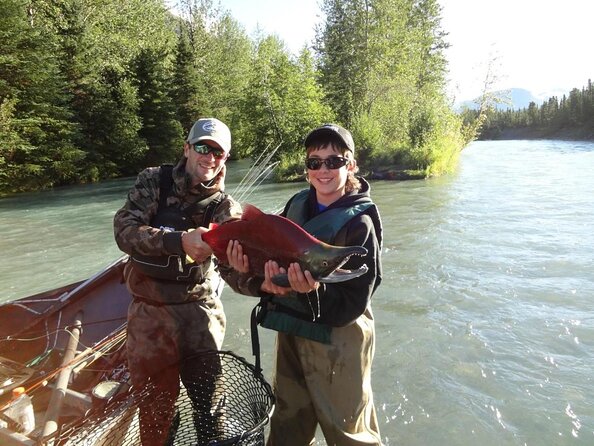
- Small group (max 4 travelers) for a more hands-on guided experience
- Fly fishing, spin fishing, and bait casting choices so you can match your comfort level
- Catch-and-release for trout and char, with salmon limits handled and cleaning included
- All fishing equipment provided, plus life jackets and waders guidance
- Kenai River + Chugach National Forest + Cooper Landing + Kenai National Wildlife Refuge scenery stops
- Morning or afternoon departures so you can fit it into your trip rhythm
Why four hours on the Kenai River feels worth it
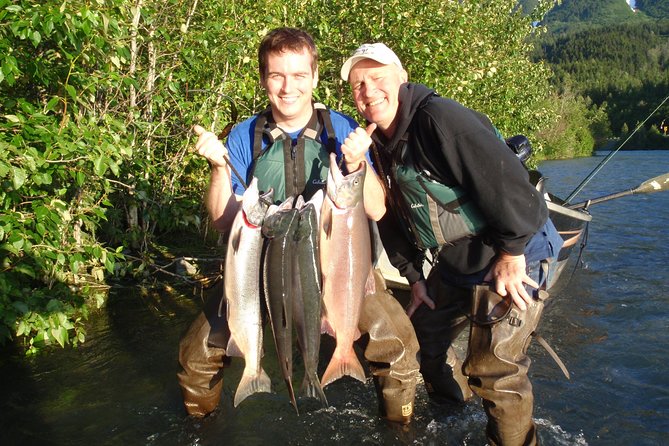
A half-day is the smart move here. The Kenai River fishery has a lot going on, and you’ll get a real slice of it without needing to sacrifice a whole day. You can pick a morning or afternoon departure, which matters if you’re trying to line up wildlife viewing, scenic drives, or other tours.
In four hours, the guide’s job is to get you fishing quickly, not just sightseeing. That’s where the included gear and instruction really pay off. You’re not spending your short time figuring out rods, tackle, or rigging—your guide is there to help you get your casting and presentation dialed in.
One more practical point: the Kenai’s current is famously strong. Even if you’re doing your fishing from the river edges and standing areas (with help from the guide), you’ll want to be ready for a physical river. Warm layers and stable footing make a bigger difference than people expect.
You can also read our reviews of more tours and experiences in Soldotna.
Guides and gear setup: the difference between trying and doing
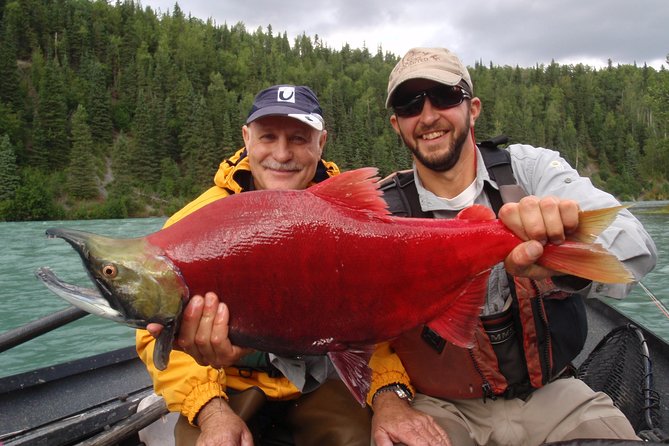
This is the kind of fishing trip where the guide’s experience shows fast. You’ll get fishing tips for fly or spin fishing, and you’re set up with rods, reels, tackle, and fishing gear. Life jackets are included too, which makes the “out on the river” part feel more comfortable from the start.
A standout detail from the experience feedback: one guest specifically praised guide Mike Adams for being fabulous and responsive leading up to the trip. That responsive prep can matter—if you arrive with your basics covered, the guide can focus on technique, not troubleshooting.
Also, you don’t have to travel heavy. The trip is set up so you can travel light because the fishing equipment is provided. You’ll still want to bring the clothing and rain protection, but you won’t need to pack your own rods, reels, and tackle.
Two small but important notes:
- You’ll need waders if conditions call for it or if the plan has you standing and fishing where you need the extra protection.
- Felt soles are no longer allowed in Alaska, so don’t bring them if your wading boots have them.
Fly vs spin vs bait casting: which one matches your comfort?
You’ll be able to fish fly, spin, or bait casting gear. That flexibility is a big deal because it gives you a Plan A even if the day’s fish mood changes. It also helps if your group has different skill levels.
Here’s the reality check: fly fishing on a moving river can feel intimidating. One person loved the trip but said they felt unsure of themselves at first because the water is fast moving, and they were expecting more “boat-only” fishing. The upside is that their husband still caught five fish with Mike’s help, which tells you the guide support can quickly make things click.
If you’re new to fly fishing, I’d go in with the mindset that you’re learning in real conditions. You’ll get tips, and you can switch gears if spin feels more natural that day. If you already know how to read current seams and adjust your cast, you’ll likely feel more confident right away.
Your half-day route: Kenai River to Cooper Landing to the wildlife refuge
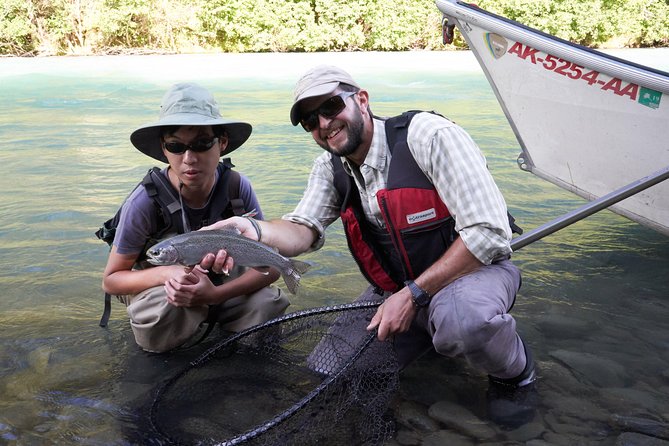
The trip is built around a drift on the upper Kenai River with professional guidance. You’re fishing in permitted areas connected to the Chugach National Forest, with the Kenai Mountains framing the experience. Even if your goal is catching fish, you’re also getting that “Alaska feeling” that comes from being in the mountains’ shadow and watching the river do its thing.
Stop 1: Kenai River
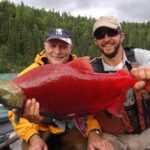
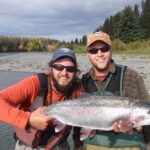
This is where the action happens. You’ll drift and fish for native rainbow trout and Dolly Varden char, plus the seasonal chance of sockeye and silver salmon depending on timing and limits. Expect flora and fauna along the way, and keep an eye out because wildlife sightings are common.
Practical tip: because the current can be strong, your best friend is staying calm and letting the guide manage the setup. If you’re doing fly fishing, you’ll want to pay close attention to how your guide positions you and how they suggest working the drift.
Stop 2: Chugach National Forest waters
This stretch matters because it’s not just a generic river stop. The fishing is in a beautiful, protected setting between peaks—an area that makes the trip feel like more than just “catch fish, leave.”
The draw here is atmosphere. When you’re taking short breaks to reset gear or reposition, you’ll still be surrounded by the natural Alaska that people travel far to see.
Stop 3: Cooper Landing
Cooper Landing acts like your anchor point. It’s part of the experience flow and also ties directly into logistics because the trip begins and ends at the Cooper Landing Boat Launch.
One consideration: Cooper Landing is where you’ll likely feel the “start and stop” rhythm. If you’re hoping for a super long drift with minimal movement between zones, plan to accept some repositioning as the guide works through the best fishing spots.
Stop 4: Kenai National Wildlife Refuge area
This is where the scenery can shift from just river beauty to full wildlife-country vibes. You’ll be fishing with the Kenai National Wildlife Refuge in the mix, and that adds to the feeling that you’re not just in a fishing spot—you’re in a working natural system.
If wildlife sightings are a priority for you, this is the part of the day where you’ll appreciate being out on the water instead of stuck in a vehicle. You may see animals, and the riverbank vegetation and bird life tend to make even downtime interesting.
What you might catch: trout and char vs seasonal salmon
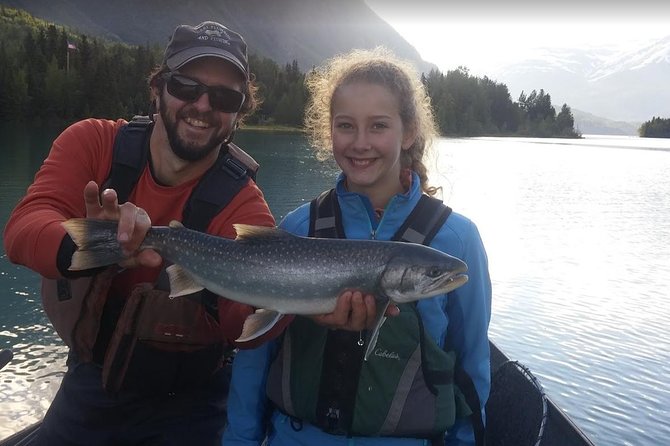
This trip can put you on native rainbow trout and Dolly Varden char, and it can also target sockeye and silver salmon when they’re running. Which species you actually hook depends on the season and what’s available that day.
The rules are straightforward and worth knowing ahead of time:
- Trout and char are catch and release.
- Salmon have seasonal limits, and cleaning your catch is complimentary.
That catch-and-release piece is great if you’re more interested in the sport than a cooler full of fish. You’ll still feel the thrill of a strong pull, but you don’t have to worry about the trip turning into a complicated preservation project.
If salmon are running, the value improves because the trip includes cleaning of your catch. That means you can think about your day as fishing first, then letting the practical part be handled.
Price and value: what $463.50 per person really covers
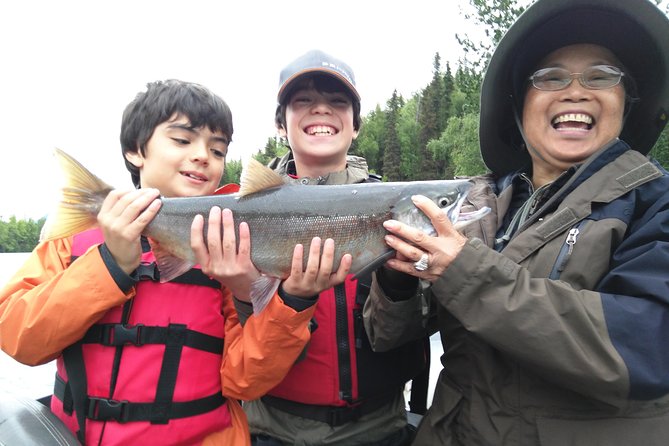
At $463.50 per person, this isn’t a budget outing. But it’s also not a “pay for the guide but bring your own everything” kind of deal.
You’re covering:
- professional local guide time
- taxes, fees, and handling charges
- fly fishing, spin fishing, and bait casting gear
- rods, reels, tackle, and fishing gear
- life jackets
- your biggest catch cleaning (and complimentary cleaning for salmon)
What’s not included is food and drinks. That’s why the packing list recommends a hearty lunch and water or other beverages.
So the value math works best if you’d otherwise need to rent gear, figure out tackle, and pay for a guide separately. And the small group size (max 4 travelers) can be a quiet advantage: you’re less likely to feel like one of many numbers.
If you’re comfortable doing DIY fishing already and you have your own gear plus local know-how, the price may feel steep. If you want a guided, gear-provided day with a fast start on the water, it starts to make sense quickly.
What to bring so the day doesn’t get miserable
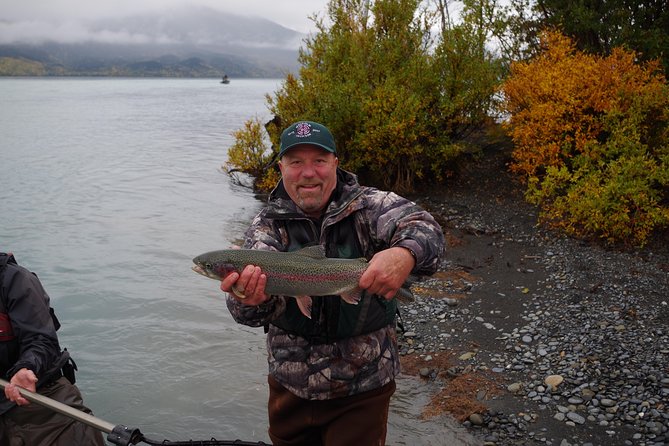
You’ll be fishing in all weather conditions, so your clothing choices matter. I’d plan your pack like you’re dressing for wet cold and sudden changes, not for one “perfect” weather window.
Bring:
- warm layered clothing
- wool or synthetic socks
- waders (and remember: felt soles are not allowed in Alaska)
- a two-piece rain suit
- polarized sunglasses
- sunscreen
- camera
- a hearty lunch and water or other beverages
Also, don’t show up without the essentials. You must have your license/stamp physically with you to fish. If you’re used to digital-only tickets, this is one of those Alaska reminders that keeps you from getting shut down at the boat launch.
Who should book this Kenai half-day (and who might rethink it)
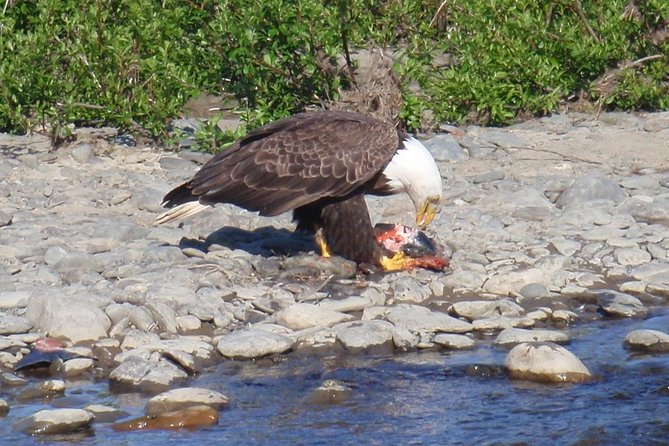
This trip is ideal if you want a focused Kenai River experience with real guidance, not just a scenic drift. The max group size is small enough that you’ll likely get practical help when you need it.
It’s especially good for:
- anglers who want to try fly or spin fishing without buying or renting a bunch of gear
- people who value a guide’s tips and setup help
- visitors who want to fish while also enjoying the Chugach National Forest and Kenai-area scenery
- groups where one person can do fly and another can do spin or bait casting
You might rethink if:
- you hate feeling rushed by fast water and strong conditions (the river is fast moving)
- you’re expecting a mostly “boat sitting” experience. You may spend time wading or standing in areas with waders, depending on the plan and conditions, and the guide will adapt your setup.
Should you book Alaskan Angling Adventures on the Kenai?
If you want a high-confidence fishing day where the gear and instruction are handled, I think you’ll be glad you booked. The biggest strengths are the small group, the guide-provided equipment, and the fact that you can target multiple species depending on the season. Add in complimentary cleaning for salmon, and the practical side of bringing home your catch is covered.
My honest check before you click confirm:
- Make sure you’re okay with a strong-current river and that you’ll dress for it.
- If you’re brand-new to fly fishing, go in ready to learn quickly and let the guide steer you.
- Bring your license/stamp physically, and pack food and water since they’re not included.
If that all fits your style, this is a solid way to spend four hours on one of Alaska’s best-known rivers.
FAQ
How long is the half-day Kenai River fishing trip?
It runs for about 4 hours.
Where does the trip start and end?
The meeting point is at the Cooper Landing Boat Launch, 18787 Sterling Hwy, Cooper Landing, AK 99572, and the activity ends back at the meeting point.
What fishing methods are included?
You can fish with fly fishing gear, spin fishing gear, and bait casting gear.
Are rainbow trout and Dolly Varden char kept or released?
They are catch and release.
Is cleaning included for what you catch?
Yes. Cleaning of your catch is complimentary, and salmon cleaning is included under the seasonal rules.
Do I need a fishing license?
Yes. You must have your license/stamp physically with you to fish.
What should I bring for the trip?
Bring warm layered clothing, wool or synthetic socks, waders (felt soles are no longer allowed in Alaska), a two-piece rain suit, polarized sunglasses, sunscreen, a camera, and a hearty lunch and water or other beverages.
What’s the group size?
The trip has a maximum of 4 travelers.
Note on changes to your plans
This experience is non-refundable and cannot be changed for any reason.