REVIEW · HONG KONG
Hong Kong’s Unforgettable Fishing and Cultural Immersion
Book on GetYourGuide →Operated by Aberdeen boating limited · Bookable on GetYourGuide
Fishing in Hong Kong can be surprisingly gentle. I like how this tour mixes Aberdeen Fishing Village sights with real, hands-on time instead of just watching from afar. Two things I especially enjoy are the freshly served boat noodles and the chance to try fishing gear that feels doable, even if you’ve never held a rod.
One possible drawback: you’ll be outdoors on an active harbor, so if you get seasick easily, this probably won’t feel great. The tour also isn’t set up for mobility issues or for pregnant travelers, so check that before you book.
In This Review
- Key highlights you’ll feel right away
- Why Aberdeen Fishing Village feels like Hong Kong’s harbor heart
- Finding Pier 6: the meeting point and how to get there fast
- The cruise through Aberdeen Typhoon Shelter: what you’ll actually see
- Boat noodles from a floating kitchen: comfort food with a maritime twist
- Pier 6 Fisherfolk Heritage Centre: practical culture, not just photos
- Aberdeen Houseboat museum: walking through waterborne daily life
- The fishing experience: simple gear, real practice, keep the kit
- Kids, families, and the small-group advantage
- Sampan origami: a small craft you’ll actually keep
- Price and value: why $8 can work (when you match the mood)
- What to bring and what to watch for
- A practical add-on: nearby food and a bit of harbor browsing
- Should you book this Aberdeen fishing tour?
- FAQ
- How long does the experience take?
- What’s included in the price?
- Where do I meet for this tour?
- What are my public transport options to reach Aberdeen?
- Do I need to bring fishing gear?
- Can kids take part?
- What should I bring with me?
- Who shouldn’t book this activity?
Key highlights you’ll feel right away
- Aberdeen Typhoon Shelter cruise with multilingual audio while you pass floating landmarks and sampans
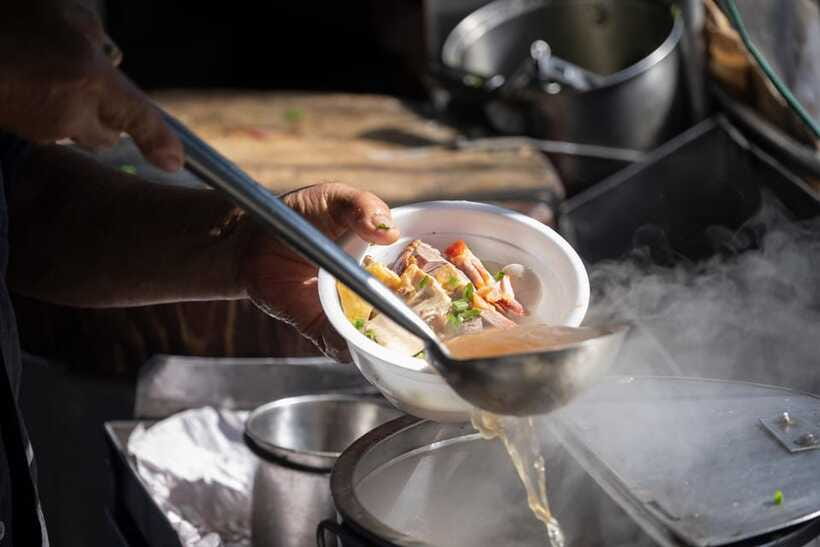
- Boat noodles from a floating kitchen boat, served as part of the experience, not an afterthought
- Pier 6 Fisherfolk Heritage Centre, focused on fishing tools, rituals, and local festivals
- Complimentary fishing time using a simple set of tools from a themed stationary boat
- Sampan origami crafting at your own pace, plus a fishing souvenir pack
Why Aberdeen Fishing Village feels like Hong Kong’s harbor heart
Aberdeen is not the tall-skyscraper Hong Kong most people picture. This is a working-waterfront world, with boats, houseboats, and the practical routines of fishing life still shaping the scene. If you want a break from crowded streets, this area gives you a slower pace with real maritime atmosphere.
What I like most is the variety in a short time. You get time on the water for the views, then you shift to museum-style learning at Pier 6 and a houseboat setting where daily life on the water actually feels tangible.
You can also read our reviews of more tours and experiences in Hong Kong.
Finding Pier 6: the meeting point and how to get there fast
You’ll meet at Aberdeen Fisherman’s Wharf (Pier 6), specifically Boat B30253A, Reclamation Area 2A, Aberdeen (香港仔漁人碼頭). The key is to arrive a bit early so the check-in doesn’t eat into your on-board time.
Getting there is pretty manageable. From Marina Habitat Ap Lei Chau, you can take a short 3-minute ferry (Kai To 街渡) to Aberdeen, then walk a few minutes. If you’re coming by MTR, aim for Lei Tung Station and use Exit A1, then make your way to the ferry point.
The cruise through Aberdeen Typhoon Shelter: what you’ll actually see
The boat ride is your introduction to Aberdeen, and it matters because it puts you in the right frame of mind. As you glide through the Aberdeen Typhoon Shelter, you pass floating landmarks and traditional sampans while you listen to multilingual audio commentary about Hong Kong’s maritime past.
This part is also a good “orientation” moment. After you’ve seen the harbor from the water, Pier 6 and the houseboat stops feel less like random sightseeing and more like places you understand.
Keep in mind that this is a working harbor area, so it can be exposed. Bring a hat, and don’t assume you’ll escape sun just because you’re on a boat.
Boat noodles from a floating kitchen: comfort food with a maritime twist
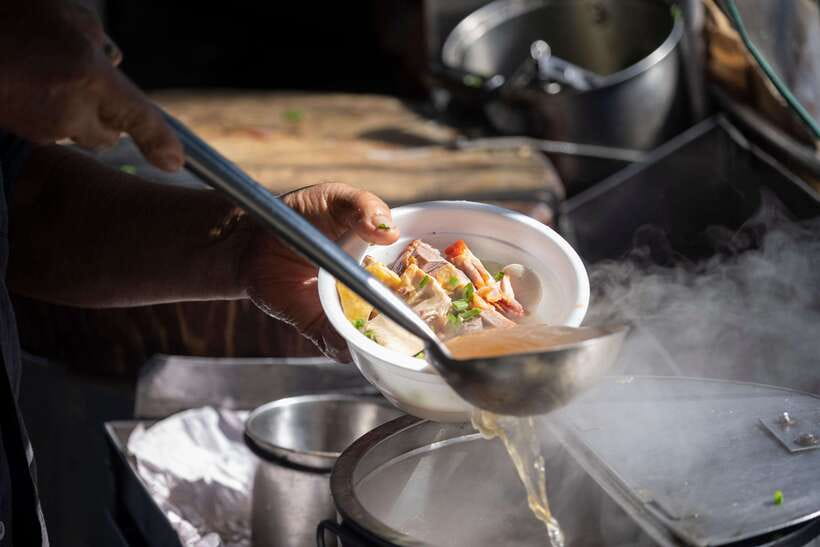
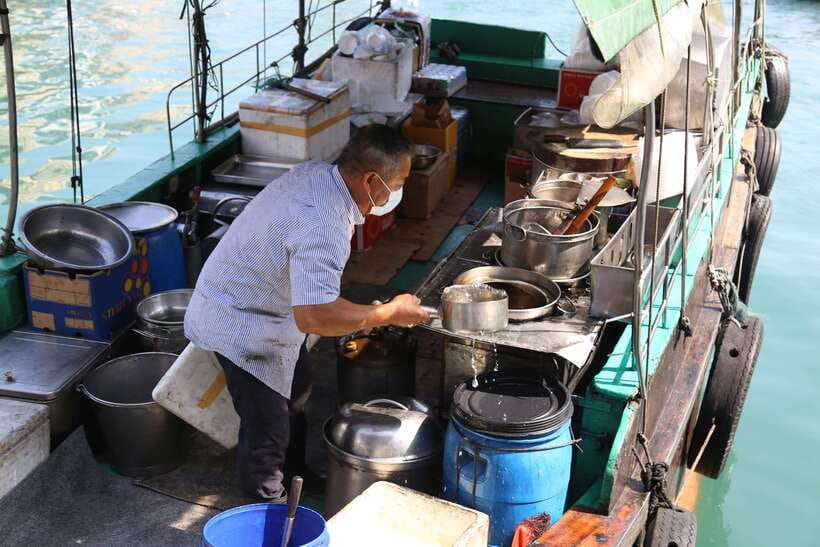
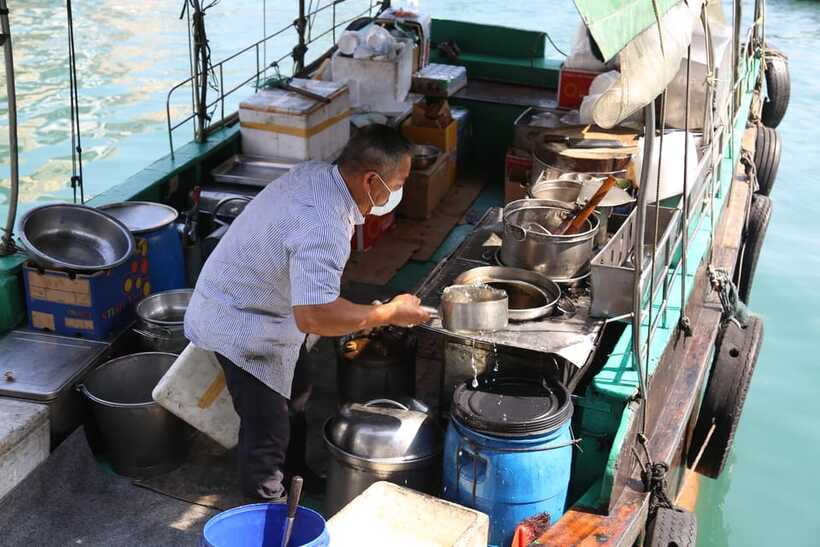
Food on a harbor tour can go either way. Here, the boat noodles feel like they belong to the setting, because they come from a floating kitchen boat as part of the flow of the experience.
You’re not just eating to fill time. The noodles are warm, straightforward, and easy to enjoy while you’re still in the harbor atmosphere. Based on what people highlight, the meal can even be a standout, including versions noted as roasted duck noodles.
If you’re picky about seafood-adjacent settings, you’ll still be fine. You’re eating noodles, not preparing anything complicated. The bigger point is how the meal anchors the experience in everyday local life, rather than treating food as a separate add-on.
Pier 6 Fisherfolk Heritage Centre: practical culture, not just photos
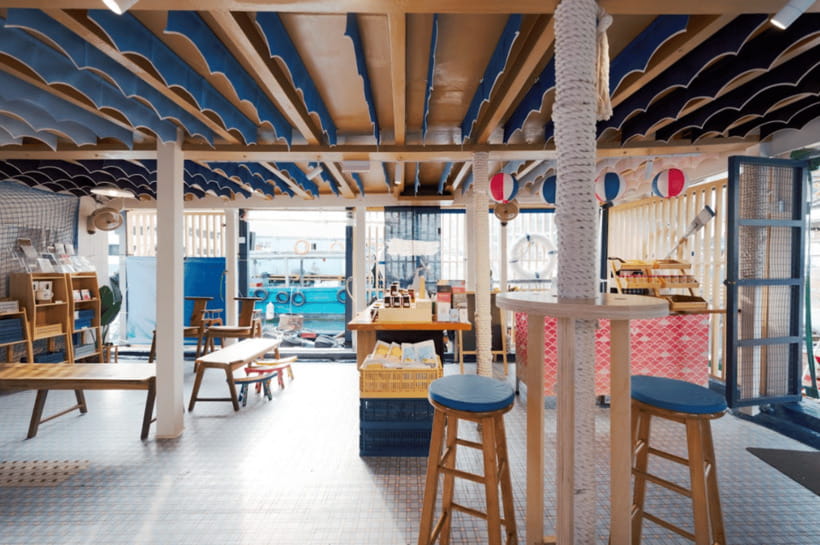
Pier 6 Fisherfolk Heritage Centre is where the tour turns from scenery into understanding. You’ll look at maritime traditions, plus local festivals, fishing tools, and fishing rituals tied to the harbor life around Aberdeen.
I like this stop because it doesn’t try to be vague. It gives you objects and themes you can connect to what you see on the water. When you later try the fishing activity, the tools and behaviors don’t feel like a random stunt.
Even if you’re not a museum person, this is a “use your eyes and make connections” type of visit. One strong tip from on-site feedback: plan to spend enough time here to actually read and look around, because the exhibitions next door can make Pier 6 feel like more than a quick transfer stop.
Aberdeen Houseboat museum: walking through waterborne daily life
After Pier 6, you’ll step into the Aberdeen Houseboat, a preserved floating home turned museum. This is the part that often surprises people, because it shifts the story from boats and tools to daily routines and living spaces.
You can walk through real living quarters and learn about waterborne families, their customs, and what life on the water looks like day to day. For many visitors, this is where the harbor stops being scenery and starts feeling human.
A practical thought: this kind of museum space can involve a bit of walking and looking around at close range. Wear comfortable shoes and don’t count on long periods of sitting.
The fishing experience: simple gear, real practice, keep the kit
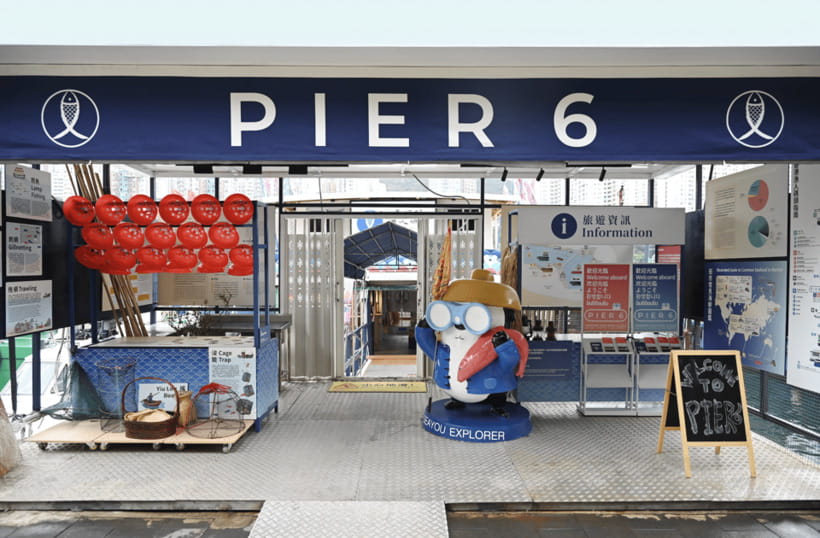
The fishing part is the headline for a reason. You’ll get a complimentary fishing experience using simple tools on a themed stationary boat. Translation: you’re not out there in a full-on charter setup, and you’re not expected to be an expert.
What I like about this approach is that it lowers the intimidation factor. People have highlighted that even beginners, including kids around 5, can fish with gear that’s straightforward to use. You’ll also get a fishing experience set, and a Fishing Experience Pack as a souvenir.
You might catch fish quickly, but the bigger win is learning the basics with less pressure. When the gear is simple and the session is short, you’re free to focus on the feeling of fishing rather than performance.
If you want an extra calm moment, you can also enjoy optional urban pier fishing with traditional gear for those who want to slow down by the water.
Kids, families, and the small-group advantage
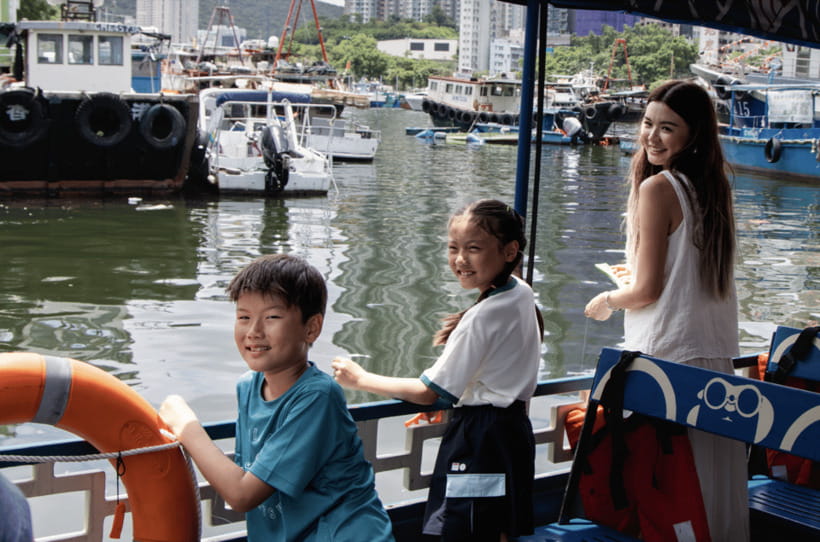
This experience runs as a small group, which changes the energy. You’re not just herded from spot to spot. It’s easier to get attention if you’re new at fishing or if your kids need quick reassurance.
The activities are family-friendly in a very practical way. Kids can fish, and there’s also Sampan Origami Crafting you do at your own pace, so the learning feels hands-on without being stressful. Many families also appreciate that the crew helps with photos, which sounds like a small thing until you’re the one juggling kids and timing.
If you’re traveling as a duo or solo, you’ll still enjoy the calm of fewer people. It feels like a shared harbor moment rather than a crowded stampede.
Sampan origami: a small craft you’ll actually keep
The sampan origami crafting session is short enough to feel relaxed, but it’s still meaningful. You make a paper boat keepsake, which is a nice way to remember the fishing-and-sailing theme even after you’re back on land.
I recommend treating this part as a breather. Sit, fold, and enjoy the harbor air for a few minutes. It’s also a good moment for kids who need a break between water time and indoor exhibits.
Price and value: why $8 can work (when you match the mood)
At about $8 per person, this tour is priced like a “good local experience” rather than a premium attraction. That matters, because you’re paying for multiple parts in one time block: a sightseeing cruise, boat noodles, admission to Pier 6, and the fishing kit plus a craft.
So you’re not just buying one activity. You’re buying variety: views, food, culture, and participation. For families, the value can be even better because kids get to do more than watch.
One caveat on value: the total time is about 30 minutes to 1 hour. If you like long, slow museum days, this might feel too brief. If you like a compact harbor hit that leaves you with energy for the rest of your day, it’s a strong deal.
What to bring and what to watch for
You’ll be happier if you come prepared for outdoor sun and harbor conditions. Bring a hat, sunscreen, water, and comfortable clothes. A camera is useful because the floating harbor views and houseboat interiors give you plenty of angles.
Wear comfortable shoes. You’ll move between pier areas and indoor/outdoor spaces, and you don’t want to do it in slippery footwear.
Also note the rules: no smoking, alcohol, or drugs, and no littering. You’re there for the water and the harbor ecosystem, so it’s worth being extra careful with where you toss small items.
If you’re prone to seasickness, skip this one. And if you have mobility impairments or you’re pregnant, this experience isn’t listed as suitable.
A practical add-on: nearby food and a bit of harbor browsing
One fun part of visiting Aberdeen Fisherman’s Wharf is that you can keep the story going after the tour. The area has an old-school Hong Kong vibe, and you may spot Tai Pak Seafood Restaurant, known for its floating-restaurant feel. If you still have energy, this is a natural place to grab a meal and linger.
You can also find a small gift-shop style area with keepsakes like magnets and postcards. It’s not essential, but it’s a nice way to take the harbor memory home.
Should you book this Aberdeen fishing tour?
Book it if you want a short, hands-on Hong Kong harbor experience. This is a great match for families, beginners who want easy fishing gear, and anyone who likes learning through objects and environments rather than just reading plaques.
Skip it if you get seasick easily or if you need mobility-friendly access. Also skip if you’re looking for a long, deep museum day. This tour moves, in a good way, and you’ll likely want to pair it with other Aberdeen time afterward.
If your goal is to see Aberdeen’s harbor life from the water, eat boat noodles, learn at Pier 6, and try fishing without pressure, this one hits the sweet spot.
FAQ
How long does the experience take?
The duration is about 30 minutes to 1 hour, depending on the available starting times.
What’s included in the price?
You get a sightseeing boat cruise, boat noodles from a floating kitchen boat, admission to the Pier 6 Fisherfolk Heritage Centre, a fishing experience set, and Sampan Origami Crafting. A complimentary souvenir Fishing Experience Pack is also included.
Where do I meet for this tour?
Check in at Aberdeen Fisherman’s Wharf (Pier 6), Boat B30253A, Reclamation Area 2A, Aberdeen (香港仔漁人碼頭).
What are my public transport options to reach Aberdeen?
You can take a 3-minute ferry (Kai To 街渡) from the pontoon outside Marina Habitat Ap Lei Chau, then walk a few minutes. If coming by MTR, use Lei Tung Station (Exit A1) and then walk to the ferry point.
Do I need to bring fishing gear?
No. A fishing experience set is included, along with a complimentary fishing experience using simple tools.
Can kids take part?
Yes. The experience includes fishing for kids and Sampan Origami Crafting, and people have highlighted that children can fish using the simple gear.
What should I bring with me?
Bring a hat, camera, sunscreen, water, and wear comfortable clothes.
Who shouldn’t book this activity?
It isn’t suitable for pregnant women, people with mobility impairments, or people prone to seasickness.