REVIEW · ZANZIBAR
Pongwe Dhow fishing
Book on Viator →Operated by Pongwe Tour & Safari · Bookable on Viator
Fish with the people of Pongwe. This dhow fishing trip in Pongwe lets you learn sailing and fishing the traditional way in a bay known for fewer engine-boat disruptions. I like the hands-on style (you’re not just watching), and I like the local-teammate feel; the one real consideration is weather, since the activity requires good conditions.
The best part for me is the midday finish: you end up with fish soup cooked by the captain’s wife, plus soft drinks. You’ll also get hotel pickup and a private setup, so your time on the water stays focused on your group. If you’re short on time, the timing is simple: about three hours, then you’re done.
One more practical upside: it’s priced at $100 per person, and it’s commonly booked about 64 days ahead, so planning early helps you lock in the date you want. With a mobile ticket and confirmation at booking, it’s usually straightforward once you’ve chosen your slot.
In This Review
- Key highlights to plan around
- Entering Pongwe Bay on a traditional dhow
- Your three-hour timeline: pickup to fishing to fish soup
- Pickup and getting matched to the boat crew
- Sailing practice with traditional techniques
- Hand-line fishing: your chance to try it
- Return and midday fish soup
- What you actually learn: sailing skills you can use
- Sailing isn’t just movement
- Fishing with simpler gear changes the experience
- The crew teaches, not just runs
- Why Pongwe feels calmer than many Zanzibar water tours
- Less noise equals better instruction
- You get a more authentic feel
- The bay choice supports the full three-hour flow
- Midday fish soup cooked by the captain’s wife
- It’s tied to the fishing, not separate from it
- It completes the story of the day
- Soft drinks included means you don’t have to think
- Price and value: is $100 per person fair?
- Who this tour fits best
- Best fit
- Considerations
- What to do before you go (so the day stays easy)
- Should you book Pongwe Dhow fishing?
- FAQ
- Where is Pongwe Dhow fishing in Zanzibar?
- How long does the experience last?
- Is hotel pickup included?
- What’s included during the tour?
- Is this tour private?
- What if the weather is poor?
- Can I cancel for a full refund?
Key highlights to plan around
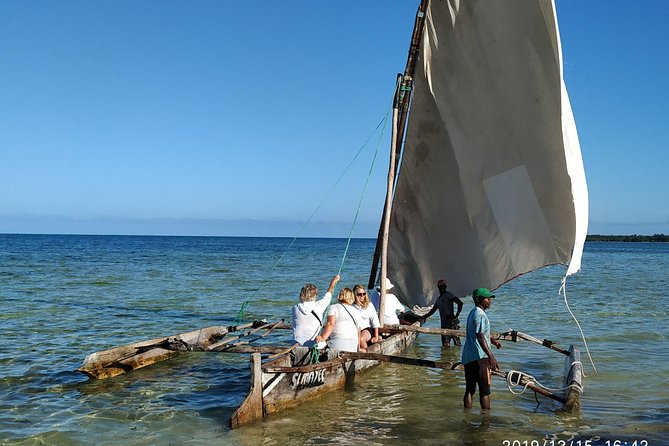
- Traditional dhow sailing: Learn how to move the boat and work with the crew using older methods.
- Hands-on fishing: You try fishing yourself, not just taking photos from the rail.
- Pongwe bay, fewer engine interruptions: The setting is chosen so the water stays calmer and more traditional-feeling.
- Midday fish soup with the captain’s family: A proper local finish, cooked on the spot.
- Soft drinks included: A small comfort that keeps the tour from feeling too rushed.
- Private tour for your group: Only your group participates, which often makes instruction feel more personal.
Entering Pongwe Bay on a traditional dhow
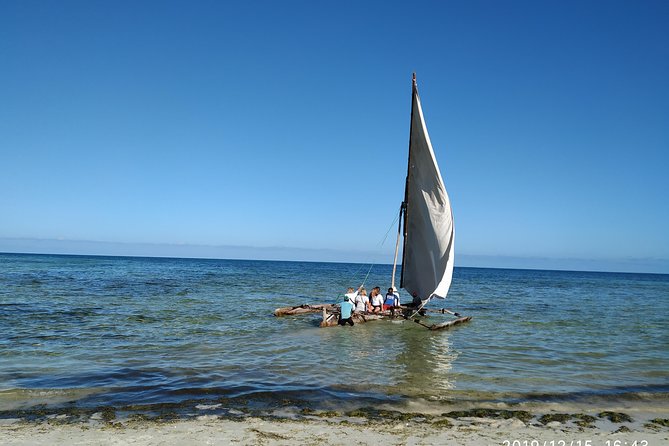
If you’re looking for Zanzibar without the noise-and-chaos version of “doing water stuff,” this is aimed at the calmer side of the island. The tour is based in Pongwe, and the specific bay choice matters: the experience is set up so engine-boat interruption is minimized. That’s the difference between a trip where everyone’s fighting the vibe and a trip where you can actually hear the crew, follow directions, and feel what they’re doing.
You’ll join a local fishing team and get onto their boat, a dhow. The goal isn’t just catching fish. It’s learning how ancient fishermen worked: how the boat is handled, how the line is used, and how the team approach turns waiting into action.
I also like that the tone is practical. You’re not sent off on some vague “cultural experience” where you’re supposed to guess what you’re meant to do. This is built around simple, repeatable actions: sailing tasks and fishing techniques that a captain and crew can coach in real time.
One more factor: the tour lasts about three hours, so it fits into a Zanzibar plan without eating an entire day. That makes it easier to pair with other shore activities.
You can also read our reviews of more tours and experiences in Zanzibar.

Your three-hour timeline: pickup to fishing to fish soup
This tour runs for about three hours, and it’s structured so you’re busy the entire time. Here’s the flow you can expect.
Pickup and getting matched to the boat crew
You’ll be picked up from your hotel area (pickup is offered). From there, you’ll meet the local fishing team before stepping into their working rhythm. Because it’s a private tour/activity, your group goes with the crew together rather than being mixed into a bigger crowd.
This part matters because fishing is team work. You’ll want that time at the start to settle in and get clear on what you’re doing, especially if you’ve never been on a dhow before.
Sailing practice with traditional techniques
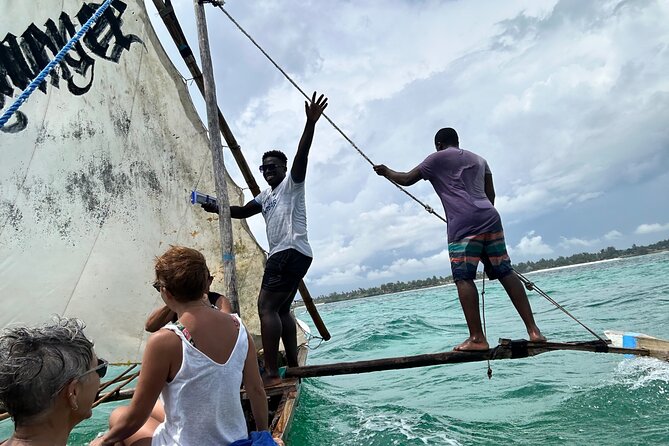
Once on the water, the focus turns to learning sailing. The captain and crew teach the basics in a way that matches how their boat operates. Think of it as learning the rhythm: where to stand, how the boat moves, and how to follow instructions while still paying attention to the water.
This isn’t a classroom lecture. You’ll get directions and then apply them as the boat heads out in the Pongwe bay area. The shorter duration helps here: you learn fast, then the day turns into fishing time.
Hand-line fishing: your chance to try it
After sailing comes the fishing. The experience is described as “traditional techniques,” and the key part for you is that you’re not only watching—you’re actively fishing. In one account of the trip, the participant specifically highlighted fishing with a hand line as a strong experience, including landing a few fish into the boat.
Even if you don’t catch fish immediately, that hands-on moment is the point. You’re seeing how a working fisherman approaches the water: slow, focused, and connected to what’s happening around the boat.
Return and midday fish soup
If you book the midday option, the tour ends with fish soup. The soup is cooked by the captain’s wife, which turns the trip from a boat-only activity into something with a real home-base feel. Soft drinks are included during the tour, so you’re not left figuring out hydration while everyone is still doing the fish-soup handoff.
Fish soup as a finish also makes sense logistically. After the fishing, the team can process the catch and cook in a way that stays tied to the local household rhythm. It’s not a generic meal at a restaurant miles away from where you fished. It’s part of the experience.
What you actually learn: sailing skills you can use
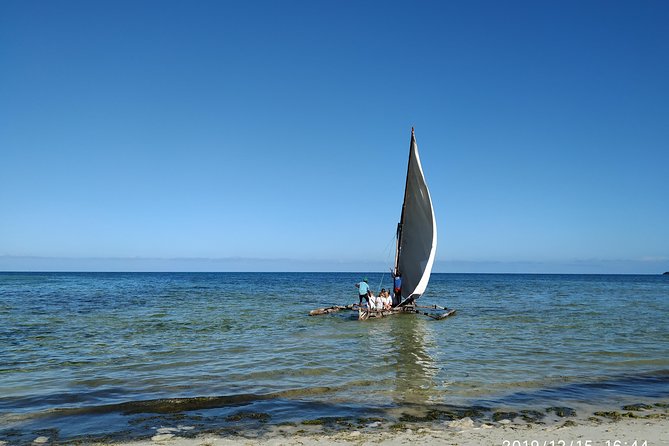
One of the big questions I get about fishing tours is whether you’ll learn anything, or whether you’re basically just along for the ride. Here, the tour is built around active participation: you join the local team, you sail with their methods, and you fish using traditional techniques.
Sailing isn’t just movement
The sailing instruction is the foundation. On a dhow, you learn that handling the boat involves communication and timing. You’ll get coached by the captain and crew while you’re out on the water, so you can understand how their approach works without needing any prior knowledge.
Fishing with simpler gear changes the experience
Fishing on this kind of boat, using basic traditional approaches, tends to feel more direct than modern charter-style fishing. You’re working the line yourself and paying attention to how the water responds. The result is more tension, more focus, and more satisfaction when you manage to land a fish.
In at least one detailed account, the participant described the hand-line method as a standout, and that sense of real participation is echoed by the overall tour design.
The crew teaches, not just runs
The tour notes that captains are delighted to teach you how to fish and sailing during the tour. That phrasing matters: this isn’t just a tour where the crew does everything while you float by. It’s set up for instruction, and the private format helps keep it that way.
Why Pongwe feels calmer than many Zanzibar water tours
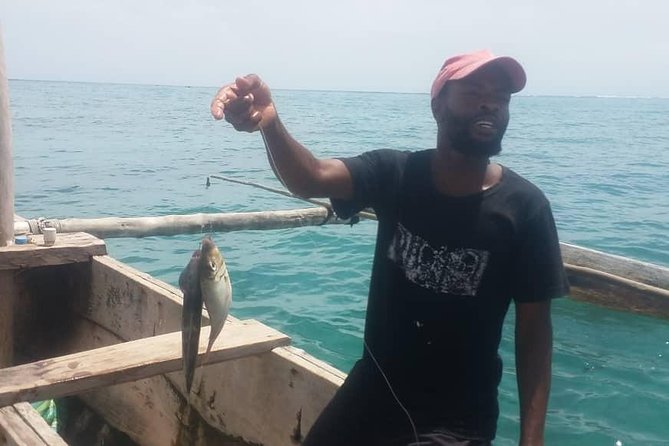
Let’s talk about the bay choice, because it’s not a throwaway line. Pongwe bay is described as one of the best places on the island for this experience specifically because there’s no other engine-boat interruption. That affects your day in practical ways.
Less noise equals better instruction
When there are fewer engine interruptions, the boat experience becomes more “working boat” and less “tourist chaos.” You can hear directions and you can follow what the captain wants from you. That makes learning easier and reduces the feeling that you’re being dragged along.
You get a more authentic feel
Fishing on a local working dhow is already an authentic setting. But the engine interruptions are what can ruin it for many visitors. If you’ve ever felt like you’re doing something “tour-like” even while you’re on water, you’ll appreciate the quieter setup here.
The bay choice supports the full three-hour flow
A calmer bay helps the captain keep the schedule—sailing practice, fishing attempts, and then a return without losing time to constant commotion. That’s part of why the tour is paced so tightly for a three-hour window.
Midday fish soup cooked by the captain’s wife
The most memorable finish on this tour is the food, and it’s not just included—it’s built into the local team element. Midday ends with fish soup cooked by the captain’s wife. That’s a detail you should care about, because it changes the tone of the whole outing.
It’s tied to the fishing, not separate from it
A lot of tours sell a fishing experience and then send you somewhere for lunch. Here, the cooking is described as coming from the captain’s household. That means the soup feels connected to what happened on the water.
It completes the story of the day
After sailing and fishing, you’re not left with a vague end. You get a clear closing moment where the catch becomes a meal. That’s a more satisfying structure than booking a half-day activity and then hunting down food later.
Soft drinks included means you don’t have to think
Soft drinks are included. It may sound basic, but on a short tour it saves you from last-minute stops and keeps the experience smooth until the soup is served.
Price and value: is $100 per person fair?
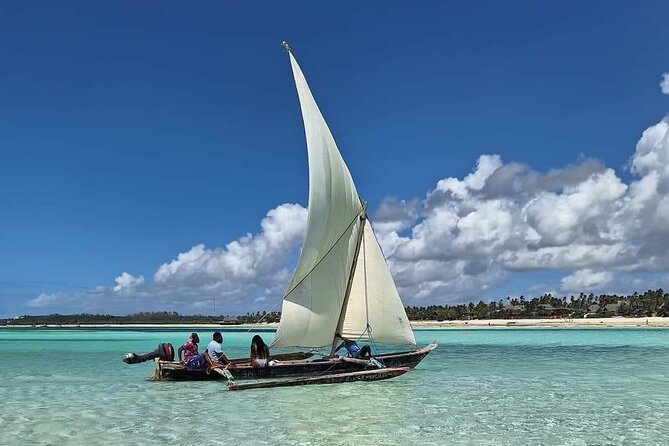
At $100 per person for about three hours, this isn’t a budget throwaway. But it also isn’t priced like a high-end private yacht. So the value question comes down to what you’re getting for that money.
Here’s what you get that justifies the cost:
- A private setup where only your group participates
- Hotel pickup offered
- Active participation in sailing and fishing with traditional techniques
- A local team experience on a traditional dhow
- Midday fish soup cooked by the captain’s wife plus soft drinks included
If you were paying for a typical guided activity with instruction plus food, you’d often find the price climbs quickly. The fishing component is also the reason it’s worth more than a simple boat ride: you’re learning and trying the technique, and the meal is included as a payoff.
Who gets the best value? People who want an experience that feels lived-in, not scripted, and who enjoy working alongside locals rather than only observing.
Who this tour fits best
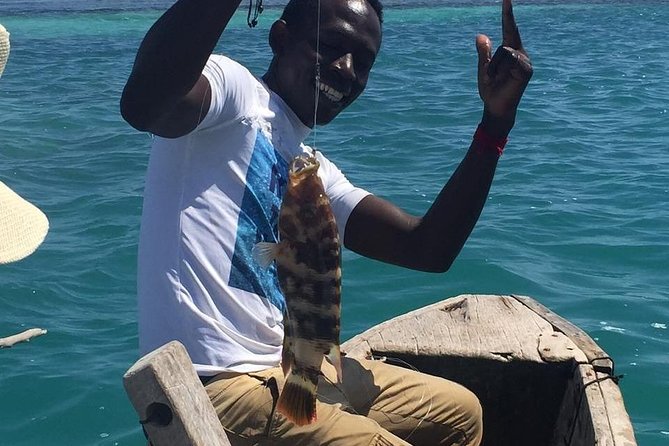
This is a strong match if you want a Zanzibar water experience that feels traditional and hands-on. It’s also described as suitable for most travelers, which helps you gauge that it’s not limited to experienced sailors.
Best fit
- Couples, friends, and small groups who want a private experience
- Travelers who like learning from working locals, not just taking in views
- People who enjoy interactive activities where you try the main task yourself
Considerations
- If weather turns bad, the experience requires good weather and may be canceled and rebooked or refunded.
- If you hate being out on the water for a few hours, this may feel like too much time afloat for a single outing.
What to do before you go (so the day stays easy)
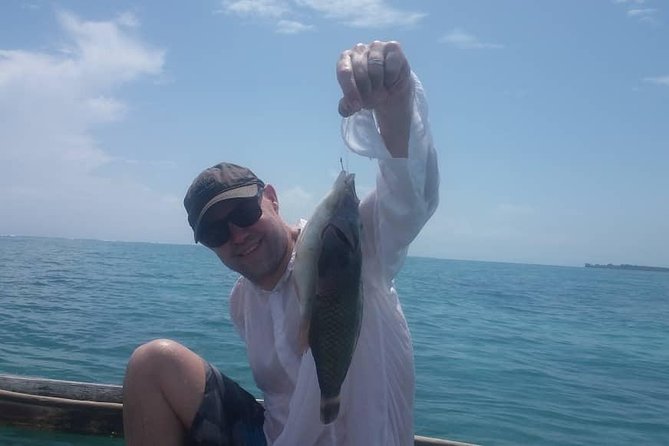
You’ll get confirmation at booking, and you’ll also receive a mobile ticket, which tends to reduce stress when you arrive. The tour provider is Pongwe Tour & Safari, and the experience is offered as a private tour/activity.
Two practical things I’d plan around:
- Pick your timing. Midday includes the fish soup finish, so decide based on whether that meal payoff matters to you.
- Book early if you have a target date. This tour is commonly booked about 64 days in advance, so last-minute choices may be limited.
Also, since the tour depends on good weather, keep your schedule flexible. A water-based activity doesn’t control the sky.
Should you book Pongwe Dhow fishing?
Yes, if you want an authentic Zanzibar water experience with real participation. This trip is built around traditional dhow sailing and hands-on fishing, and it doesn’t end with a generic lunch stop. The midday fish soup cooked by the captain’s wife is the kind of detail that turns a short outing into a memory you’ll still talk about later.
I’d especially recommend it if you value quiet, focused time on the water. The bay’s reduced engine interruptions help the whole experience feel more like local working life than a crowded boat tour.
Only skip it if you’re dealing with tight weather-dependent plans or you know you’re uncomfortable on the water for a few hours. If neither is an issue, $100 per person looks like sensible value for a private, guided, food-ending dhow fishing experience.
FAQ
Where is Pongwe Dhow fishing in Zanzibar?
The tour takes place in Zanzibar, Tanzania, and you join the local fishing team in Pongwe.
How long does the experience last?
The tour lasts about 3 hours.
Is hotel pickup included?
Yes, pickup is offered.
What’s included during the tour?
The experience includes sailing and fishing with traditional techniques, and soft drinks are included. If you choose the midday option, the tour ends with fish soup cooked by the captain’s wife.
Is this tour private?
Yes. It’s a private tour/activity, so only your group participates.
What if the weather is poor?
The experience requires good weather. If it’s canceled due to poor weather, you’ll be offered a different date or you’ll receive a full refund.
Can I cancel for a full refund?
Yes. You can cancel up to 24 hours in advance for a full refund. If you cancel less than 24 hours before the experience starts, the amount paid is not refunded.