REVIEW · KETCHIKAN
Salmon Fishing in the Salmon Capital of the World
Book on Viator →Operated by Baranof Fishing Excursions · Bookable on Viator
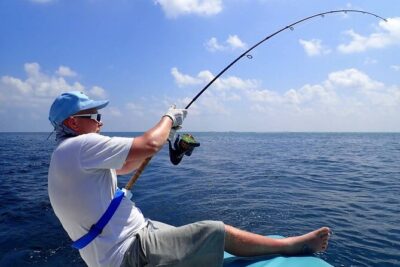
There’s fish in the forecast in Ketchikan. This small-group salmon fishing outing in the Inside Passage turns a cruise day into real work on the water, focused on trolling and reading conditions for the salmon run. I like trips where the guide’s local technique matters, and this one is all about the technical side of fishing—scanning depths, adjusting speed, and putting the line where the salmon decide to show up.
I especially like that you’re set up for the weather: rubber rain gear, rubber boots, and rubber gloves are included, plus snacks to keep you going during a full-on session at sea. Second, I like the small size—this maxes out at 5 travelers—so you’re not just a spectator watching someone else do the fishing.
One consideration: this is weather-dependent and active. If conditions aren’t good, plans can shift, and you’ll want to be comfortable in a boat environment for about 5 hours doing hands-on trolling.
In This Review
- Quick take: what makes this Ketchikan salmon trip click
- Ketchikan’s Inside Passage: trolling for salmon that actually fight back
- Where to meet at cruise dock: find your guide at the gangway
- The gear that keeps you comfortable (and lets you fish, not just shiver)
- The 5-hour rhythm: how your guide searches for the salmon run
- More than salmon: when halibut and cod show up
- Guide quality is the whole game: Zane, Garrett, and Devin’s style
- Price and value: is $420.12 worth a day on the water?
- What to wear and how to mentally prepare
- How far in advance to book and what flexibility looks like
- Who this Ketchikan salmon trip suits best
- Should you book this salmon-fishing outing? My practical take
- FAQ
- How long is the salmon fishing trip?
- Where do I meet the guide?
- Is pickup from the cruise ship included?
- What’s included in the price?
- What language is the tour offered in?
- Is there a group size limit?
- What happens if the weather is poor?
- Can I bring a service animal?
- How far in advance is this typically booked?
Quick take: what makes this Ketchikan salmon trip click
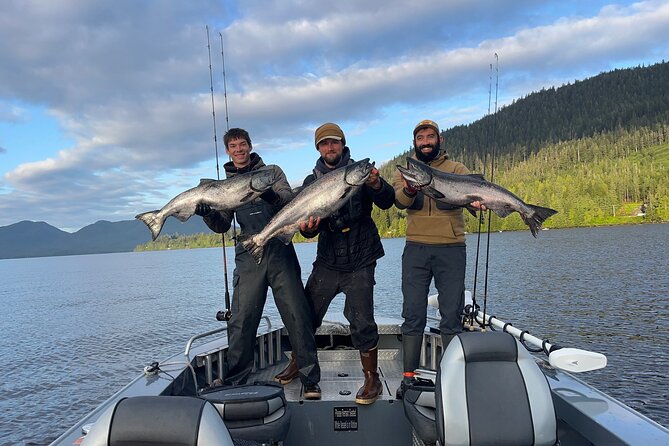
- Inside Passage trolling: technical, hands-on fishing rather than a passive boat ride.
- Max 5 travelers: more time targeting fish, less time waiting.
- Provided rain and grip gear: rubber boots, gloves, and rain gear help you stay warm and functional.
- Real local guidance: guides like Zane Farrington, Garrett, and Devin are praised for putting anglers on fish fast.
- Seasonal salmon variety: you’re fishing for multiple species, depending on what’s running.
- You can score more than salmon: some days include halibut and cod alongside salmon action.
Ketchikan’s Inside Passage: trolling for salmon that actually fight back
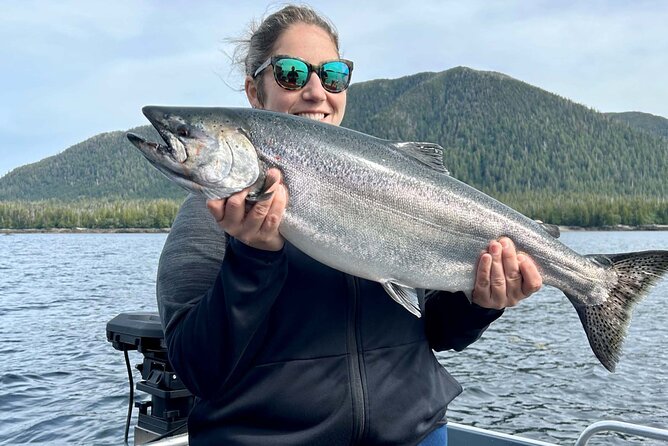
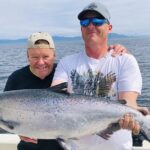
Ketchikan is where people come to chase salmon, and this trip leans into what Southeast Alaska is known for: the water, the runs, and the craft. Here, the goal isn’t casting near a shore and hoping. It’s trolling on the Inside Passage, meaning the guide works the boat and the line together while searching for the depth and conditions where salmon are feeding.
That’s the big difference. Trolling is technical. You’re dealing with water movement, changing light, and the fact that salmon don’t hang out where your imagination wants them to. A good guide keeps adjusting—based on how the line feels, where the fish are showing up, and how the day is evolving.
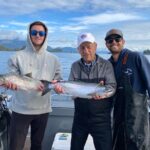
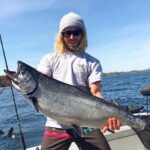
The trip is built around the fact that “five species” can be possible in Southeast Alaska, but you should expect the mix to depend on the season. From the details you’ll hear on board, it’s likely you’ll target a range that can include pinks, chums, and kings, plus coho (often referred to as silvers in fishing talk). The overall theme is the same: you’re fishing the run that’s currently active, not a guaranteed menu.
You can also read our reviews of more tours and experiences in Ketchikan.
Where to meet at cruise dock: find your guide at the gangway
This is designed for cruise visitors, and the meetup is simple. You start at the Ketchikan Cruise Ship Docks (Ketchikan, AK 99901). Pickup is offered, and your guide will be holding a sign with your last name at the gangway of your ship.
That matters more than it sounds. In port days, delays kill the whole rhythm. Having your guide identifiable right away helps you get moving fast—gear on, mindset set, out on the water while the day still has energy.
Also, the activity ends back at the meeting point, which makes it easier to plan the rest of your day in port. If you’re juggling dinner reservations or trying to squeeze in a short walk afterward, this “back where you started” flow is a gift.
The gear that keeps you comfortable (and lets you fish, not just shiver)
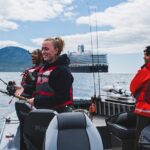
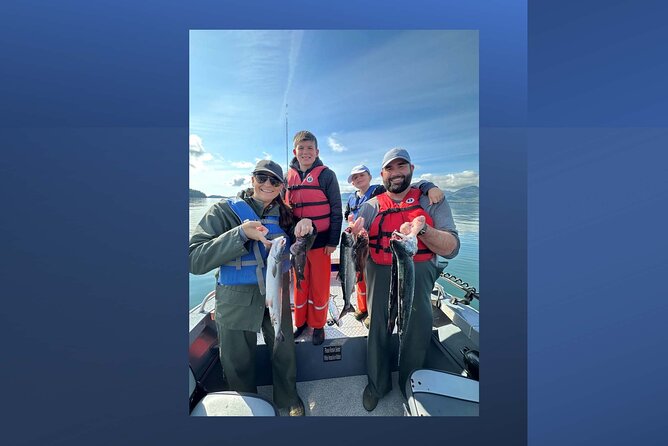
One of the smartest parts of this experience is what’s included. You get rubber rain gear, rubber boots, and rubber gloves, plus snacks. That means you don’t need to show up with a complicated packing list of waterproof layers and specialized grip.
On a trolling trip, you’re not just sitting still. You’re moving around the boat, handling gear, and being outside in maritime weather. Rubber boots and gloves help with traction and control—especially when things are wet, lines are busy, and you’re learning what the guide wants you to do.
And the included rain gear isn’t just comfort. It’s safety and focus. When you’re not chilled, you listen better and react quicker. That’s how you get a better shot at the day’s action.
The 5-hour rhythm: how your guide searches for the salmon run
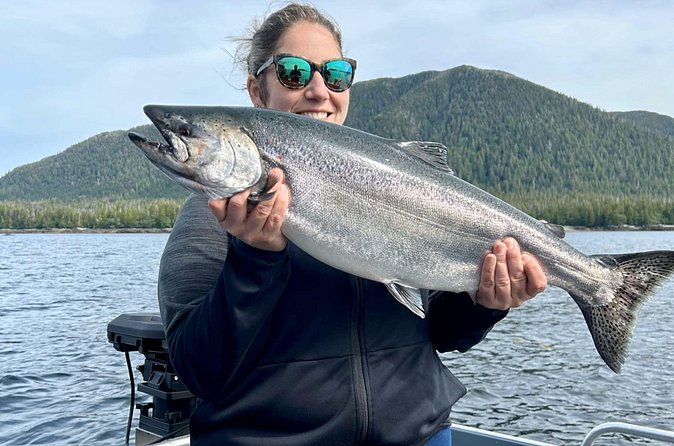
The trip runs about 5 hours. In that time, you’ll move through the classic sequence of a trolling day: set up, locate fish-holding water, run lines, adjust, and repeat. You’ll notice how much “search” is built into the experience. This isn’t one location and done.
What makes this trip feel efficient is that the guide isn’t just waiting for a bite. They’re actively scouring the depths for salmon and then keeping pressure on the moment fish are interested. That technical focus shows up in the way guides are described in the experience details, and in how people talk about guides who “put you right on the fish.”
You’ll also learn fast that trolling is about communication with the line. When salmon hit, it’s not a delicate nibble. It can be strong. You’ll feel it in the rod and line response. The guide’s job is to keep you fishing correctly without wasting time. Your job is to stay attentive and follow instructions so you’re ready when the day finally turns on.
Even if you’re new to fishing, the “most travelers can participate” note matters. This experience is set up for regular people, not just hardcore anglers. The key is coming with a flexible attitude. Some days are about catching. Some days are about positioning. You’re doing both.
More than salmon: when halibut and cod show up
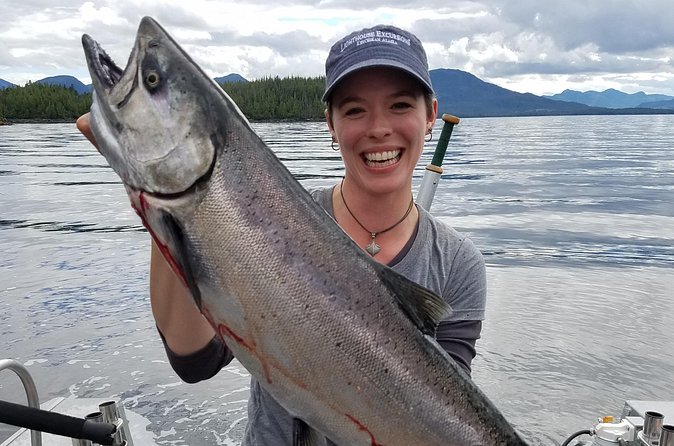
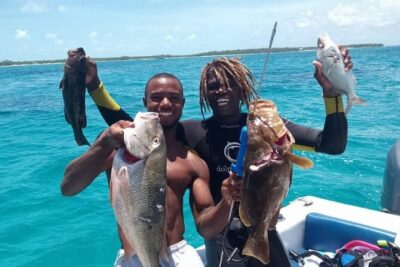
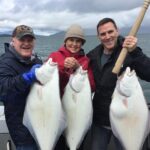
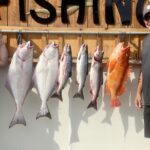
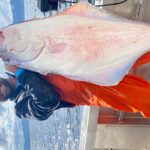
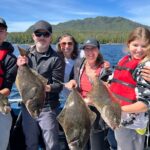
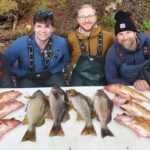
Salmon are the headline, but you should know this can be a multi-species kind of day. One of the guides’ fans described a trip that was very productive, including many halibut and cod along with salmon.
That doesn’t mean it’s guaranteed every time. But it tells you something useful: these fishing grounds can hold a mix of species. So even if salmon are slow to cooperate, the boat may still have action.
If you’re the type who hates a “zero action” day, this matters. It’s also why a professional guide’s depth scanning and location choices can pay off in more ways than one.
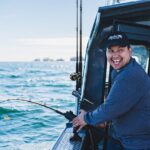
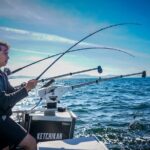
Guide quality is the whole game: Zane, Garrett, and Devin’s style
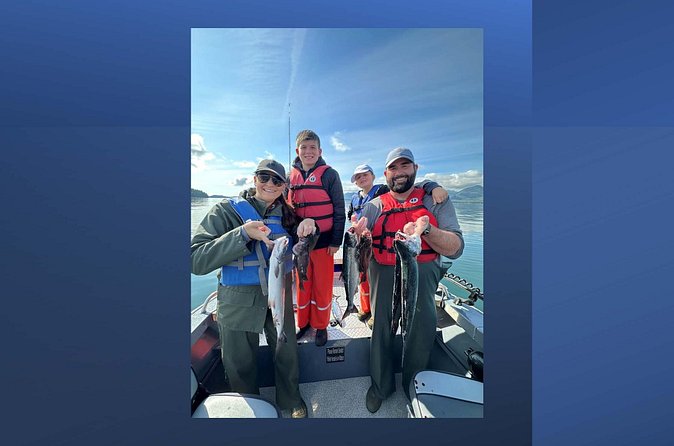
This experience strongly rewards good guiding. The most praised part isn’t just that people caught fish. It’s that the guides used local knowledge to find them and kept the pace steady.
You’ll see names come up: Zane Farrington gets called out for local expertise and personality, and for putting anglers where the fish are. Another guide, Garrett, is praised for being polite and personable and for producing a lot of nice fish. Devin is specifically highlighted for knowledge of where to go to find fish, plus the added advantage of maximizing time on the water with a small boat setup.
Here’s what you should take from that if you’re deciding whether the trip is worth it: don’t treat “salmon fishing” as a generic activity. Treat it as a day of guided problem-solving. The best guides know how to read conditions and how to turn that into repeated attempts that increase your odds.
And yes, an extra bonus can show up when the water cooperates. One account mentions the guide spotting orcas on the way back. That kind of wildlife timing isn’t something you can plan for, but having an alert guide can improve your odds of noticing it.
Price and value: is $420.12 worth a day on the water?
At $420.12 per person for about 5 hours, this trip isn’t “cheap,” but it’s also not trying to be a bargain basement experience. For this price, you’re getting several practical value pieces:
- Guided trolling time in a productive fishing area
- Snacks to cover the basics of a long trip
- Full rubber rain setup: rain gear, boots, gloves
- Pickup from the cruise dock area with a clear last-name sign system
- A small group cap of 5 travelers, which helps you spend more of the day fishing
If you’ve ever done tours where you spend half the day waiting around, this is the opposite. Smaller groups tend to keep the momentum. And because trolling is technical, the guide’s time and attention matter—more than just the boat ride part.
So the value question becomes: do you want to fish in a way that’s guided and gear-supported, or do you want a casual sightseeing angle? If you want real fishing time and coaching, this price starts making sense. If you just want a scenic boat ride, you’ll feel the cost more.
What to wear and how to mentally prepare
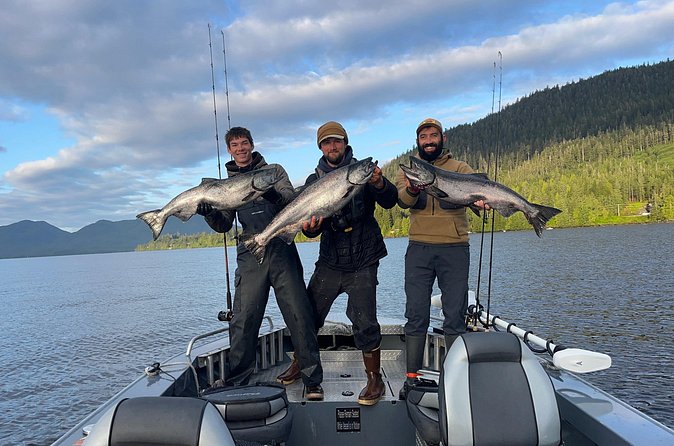
You won’t have to bring everything, but you should plan smart. Even with rubber gear included, you’ll want to wear clothes that work under waterproof layers (think warm base layers rather than bulky stuff that traps sweat). You’re going to be outside on a boat, and Alaska weather can shift quickly.
Also, come ready for the day to be active. Trolling involves repeated work with lines and gear. Even if you’re not the one doing the heavy lifting, you’ll be involved enough that you should expect hands-on time.
Finally, set your expectations around season. Because the run changes, salmon species availability can change. That’s not a flaw. It’s the reality of fishing in Southeast Alaska. The upside is that the guide targets the salmon that are actually on the move.
How far in advance to book and what flexibility looks like
This experience is commonly booked about 168 days in advance on average. That tells you two things: it’s popular, and it’s something you should schedule early if you care about locking in a spot during a busy cruise season.
Weather is also part of the equation. The experience requires good weather. If it’s canceled due to poor weather, you’ll be offered a different date or receive a full refund.
And if you like breathing room for planning, there’s free cancellation available up to 24 hours before the experience starts (local time), with a full refund if you cancel in time.
Who this Ketchikan salmon trip suits best
This trip is a great fit if you:
- Want a guided, technical fishing experience rather than casual sightseeing
- Like small-group days where the boat time feels focused
- Are visiting Ketchikan from a cruise and want a straightforward dock-to-boat pickup plan
- Want provided weather protection so you’re not stuck guessing what to pack
It’s also a good choice for beginners who want structure. The “most travelers can participate” note is your clue that the experience is built for regular people—especially those who want to learn.
If you’re a super experienced angler, you may find it less about solo mastery and more about following a guide’s system and getting your line in the right places at the right time. That can still be satisfying, but it’s not framed as a DIY fishing adventure.
Should you book this salmon-fishing outing? My practical take
If your goal is to fish in Ketchikan with real guidance and plenty of time on the water, I think this is the kind of trip worth booking. The combination of small group size, trolling-focused expertise, and included rubber gear makes it feel built for success rather than built for convenience alone.
The one thing to be honest about: fishing isn’t guaranteed. But the way the guides are described—finding fish, keeping things active, and making the day nonstop from start to finish—signals that you’re not just buying access to water. You’re buying into a plan and a local approach.
If you want a high chance of a fun, active day in port that turns Ketchikan’s salmon reputation into hands-on experience, book it. If you’re hoping for guaranteed trophy catches no matter what the season is doing, you’ll want to manage expectations.
FAQ
How long is the salmon fishing trip?
It runs for about 5 hours.
Where do I meet the guide?
Meet at the Ketchikan Cruise Ship Docks (Ketchikan, AK 99901). Your trip ends back at the same meeting point.
Is pickup from the cruise ship included?
Yes. Your guide will have a sign with your last name at the gangway of your ship.
What’s included in the price?
Snacks are included, along with rubber rain gear, rubber boots, and rubber gloves.
What language is the tour offered in?
The experience is offered in English.
Is there a group size limit?
Yes. This activity has a maximum of 5 travelers.
What happens if the weather is poor?
This experience requires good weather. If it’s canceled due to poor weather, you’ll be offered a different date or a full refund.
Can I bring a service animal?
Yes, service animals are allowed.
How far in advance is this typically booked?
On average, it’s booked about 168 days in advance.