REVIEW · SIEM REAP
Siem Reap: Tonle Sap Lake – Fishing Village & Flooded Forest
Book on GetYourGuide →Operated by Journey Cambodia · Bookable on GetYourGuide
Tonle Sap makes Cambodia feel alive. On this half-day trip, you ride out to Kampong Phluk on the lake, cruise slow canals through the flooded forest, and learn how people earn a living as the water level rises and falls. I particularly like the relaxed pace and the way the guide turns daily work—fishing, aquaculture, farming—into something you can actually picture. The main drawback is simple: when the lake is low, access and views can change, so you may not see everything in the way you hoped.
What makes this tour stand out is the seasonal rhythm. Tonle Sap expands to about 12,000 km² in the wet months and shrinks to around 2,500 km² in the dry season. That isn’t a trivia fact—it shapes where homes are, when fish spawn, which birds show up, and what people can harvest. In my book, this kind of living geography is more memorable than another set-piece temple stop, especially when guides like Sargon Pal or Chhay explain what you’re seeing as you go.
One more note to plan with: the route is not wheelchair-friendly, and a few parts depend on the day’s water conditions. In low-water seasons, you might only view some villages from the outside, and areas that normally feel flooded and lush can look calmer or less dramatic than expected.
In This Review
- Key things you’ll remember from this Tonle Sap tour
- Why Tonle Sap feels different from other day trips
- Price and logistics for a 4-hour half-day from Krong Siem Reap
- The countryside village stop: Khmer snacks and everyday work
- Kampong Phluk by boat: stilt houses and flooded-forest canals
- River boat segment and the mangrove-rowboat tradeoff
- When water levels are low, your best views can shift
- Rural agriculture and aquaculture: what you may see and why it matters
- Buddhist monastery stop: a meaningful pause with seasonal timing
- What to bring for a comfortable 4-hour boat-and-village day
- Who should book this Tonle Sap fishing village tour
- Should you book this Tonle Sap fishing village and flooded forest tour?
- FAQ
- How long is the Tonle Sap Lake fishing village and flooded forest tour?
- Where do you get picked up in Siem Reap?
- Is there a morning or afternoon option?
- What boat experiences are included, and is the mangrove rowboat included?
- What is included in the price?
- Is the tour suitable for wheelchair users?
- Can I cancel and pay later?
Key things you’ll remember from this Tonle Sap tour
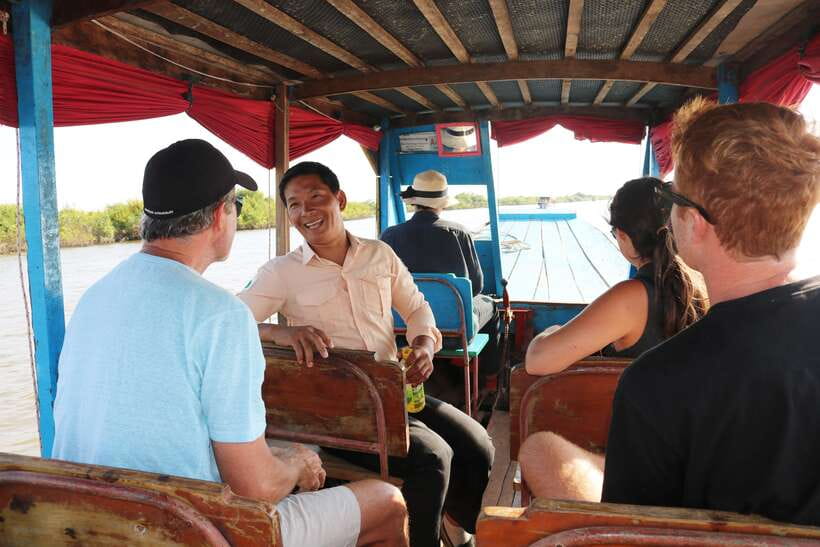
- Kampong Phluk by boat: stilt houses and working lakeshore life, viewed at water level.
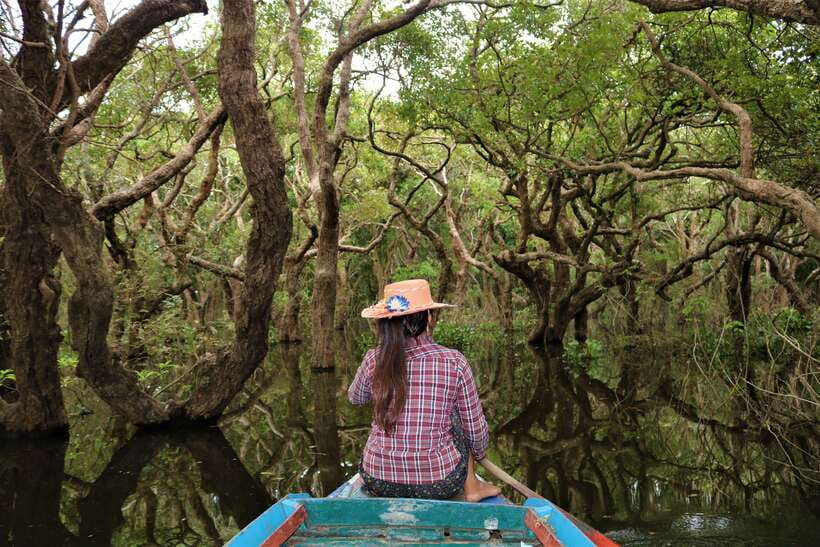
- Flooded forest canals: a slow cruise that gives you time to spot plants and wildlife.
- Aquaculture and agriculture in motion: fish-related work and farming tasks tied to the season.
- Rural market moments: local vegetables and foods, plus Khmer snacks during a village stop.
- Real daily life explanations: guides such as Sargon Pal and Chhay focus on how communities survive.
- Water-level reality check: what you can access can vary between wet and dry periods.
Why Tonle Sap feels different from other day trips
Tonle Sap is the world’s second-largest freshwater lake, but what matters most here is how it behaves. The lake doesn’t stay the same size. It swells dramatically in the wet season and drains back in the dry season, and that cycle controls the whole ecosystem around it.
When millions of fish come to spawn in the seasonally flooded forest, you’re seeing the reason people live the way they do. It’s not just nature in the background. The water creates food, livelihoods, and patterns of movement—so the villages and floating/raised homes make sense in a way that feels logical, not staged.
The best part of the tour is that it treats Tonle Sap like a system, not a postcard. You’ll be shown how aquaculture and agriculture connect, and you’ll get context for why certain tasks happen when they do. If you like travel that teaches you something you can still “see” later, this one usually lands well.
You can also read our reviews of more tours and experiences in Siem Reap.
Price and logistics for a 4-hour half-day from Krong Siem Reap
This is a $45 per person half-day experience, typically built for about 4 hours total. You’ll get hotel pickup and drop-off in Siem Reap city, plus an English-speaking local guide and an air-conditioned vehicle for the land portions. Entrance fees are included, and the tour provides mineral water and cool towels—small comforts that help when you’re out in Cambodia’s heat.
I think the price is fair for what’s wrapped into it:
- you’re paying for a guide who explains what you’re seeing (not just driving you to a viewpoint),
- the boat portion is included,
- and you don’t have to handle transportation timing on your own.
There are also practical limits to know. Wheelchair users can’t be accommodated on this tour. And since it’s a short day, you’ll want to keep expectations realistic: you’re not touring the entire lake ecosystem. You’re getting a focused slice of it.
You can choose a morning or afternoon departure, and you’ll still keep a compact schedule. That’s great if you want to save energy for Angkor later, or if you’re trying to avoid stacking too many long tours in one day.
The countryside village stop: Khmer snacks and everyday work
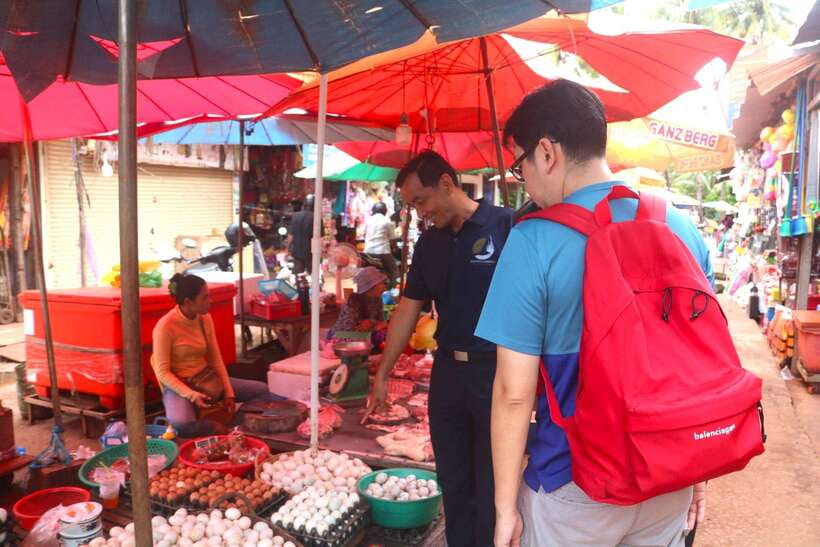
Before you reach the water, you’ll do a quick countryside stop with a guided walk (about 25 minutes). This is where the day warms up. Instead of rushing straight into boats, you get a taste of rural life in the surrounding area.
This stop also ties directly into one of the tour’s best themes: local foods. You’ll have a chance to pick up Khmer snacks and explore a village environment that feels more like daily life than a tourist stage. Depending on the day, this is also where you might spot rural produce and foods that show up later as part of the tour’s agriculture-and-market angle.
A bonus here is pacing. When you start with a short walk and a snack moment, you’re more ready to slow down for the water segments. You stop feeling like you’re only collecting sights and start acting like you’re learning how people live.
Kampong Phluk by boat: stilt houses and flooded-forest canals
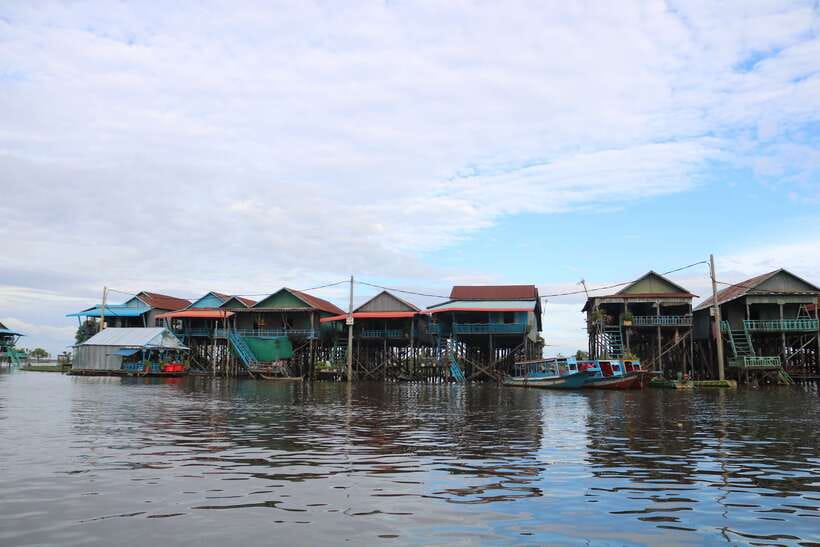
Kampong Phluk is the heart of the experience, and it’s worth taking seriously. This isn’t a quick glance from shore. You’ll spend around 2.5 hours there with a guided visit and a boat cruise.
Here’s what makes the area so special to experience from the water:
- Stilt houses: You’ll see how homes are adapted to the seasonal flood cycle.
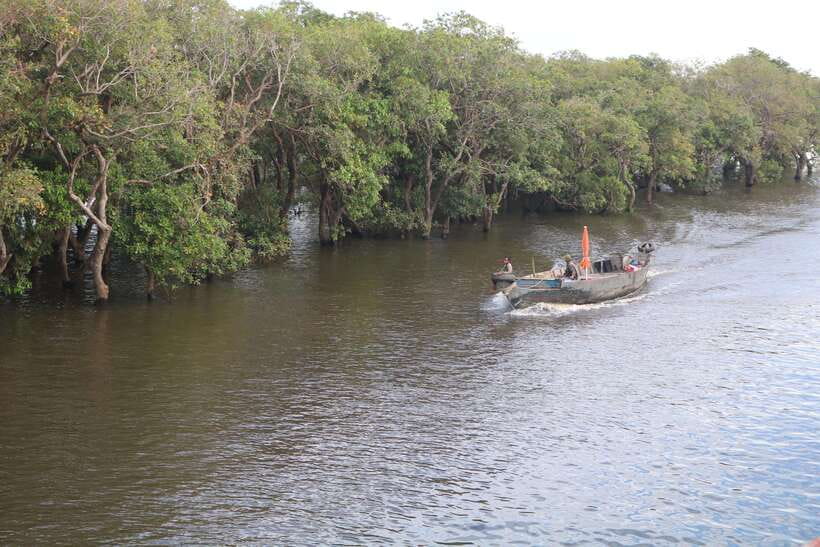
- Forest canals: Your boat moves slowly through channel-like waterways where plants and wildlife live in a changing wet environment.
- Working lakeshore life: You’re not only looking at scenery. You’re seeing people do their jobs—fishing and related aquaculture activities.
Your boat cruise matters because it changes your angle. Instead of imagining what flooded forests look like, you get glimpses of flora and fauna as you pass through. That slow movement is also why this tour often feels relaxing, even though it’s busy with different parts of the day.
One practical note: accessibility can vary with water levels. In some conditions, areas you see from a distance may be harder to reach up close. That can affect how much of the “flooded village” feeling you experience in-person.
River boat segment and the mangrove-rowboat tradeoff
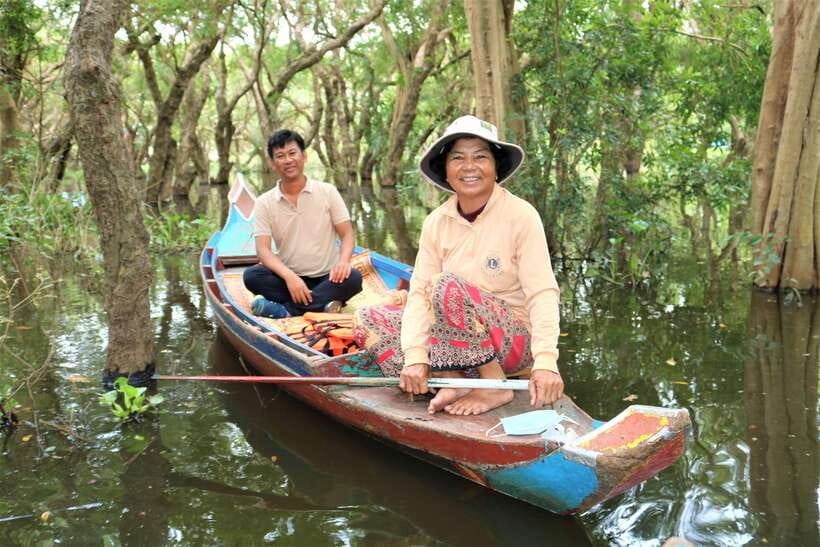
After Kampong Phluk, the day includes another river-boat segment (about 30 minutes). This is one of those transitions that helps you understand you’re moving through connected water systems, not just arriving at a single place.
Also watch for this: there’s an additional rowboat at the mangrove forest that is not included. That detail is important when you’re planning your time and your budget. If mangroves are part of the day’s route on your departure, you’ll be able to view them from the larger boat, and then you may have the option to pay for that extra rowboat experience.
So go in with a clear mindset: your core cruise is included, but the mangrove rowboat is an add-on.
When water levels are low, your best views can shift
This tour is tightly linked to the lake’s seasons, which means water levels directly change what you can access. In the wet season, the flooded forest is easier to experience the way it’s often described: more water, more dramatic inundation, and more active spawning season energy in the ecosystem.
In the dry half of the year, Tonle Sap shrinks and drains into the Tonle Sap River. In practice, that can mean:
- fewer areas feel “deeply flooded,”
- some village sections might only be visible from the outside,
- and certain canal routes or access points can be limited.
This is not a reason to avoid the tour. It’s a reason to choose your timing wisely. If you’re trying to maximize the flooded-forest look, aim for a period when water levels are higher. If you’re traveling during the lowest-water stretch, keep your expectations flexible and focus on the overall ecosystem and daily livelihoods, not only on dramatic flooding scenes.
Rural agriculture and aquaculture: what you may see and why it matters
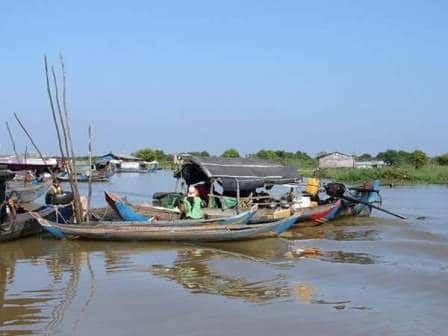
One reason people like this experience is that you’re not only watching boats. You’re watching how livelihoods work on a lake that changes size every season.
Depending on the time of year, you may spot seasonal agriculture and aquaculture activity like:
- cricket catching
- rice planting and harvesting
- smoking fish
- fish paste making (prohoc making)
- duck farming
Even if you don’t catch every single activity on your date, the tour’s value is in connecting the dots. The flooded forest isn’t a nature exhibit. It’s part of the supply chain. Fish spawn when the waters rise. People adapt their work to match that timing. Farming and small animal raising fit into the same seasonal calendar.
And the food side adds another layer. You might encounter interesting local foods and vegetables in more rural markets during the day. This is the kind of travel detail that changes how you remember the place later. You come away knowing what people actually eat and trade—not just what the water looks like.
Buddhist monastery stop: a meaningful pause with seasonal timing
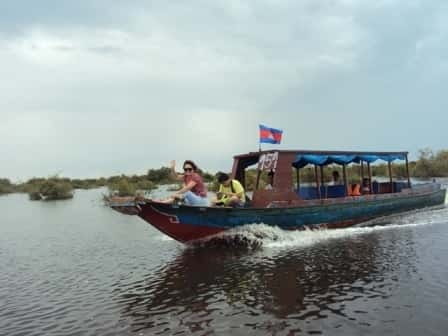
Before heading back, the tour includes a Buddhist monastery visit. The suggested period for this stop is between the end of July and early March.
If your travel dates fall into that window, treat it as more than a quick photo break. In many Cambodian rural settings, monastery visits help you understand the local rhythms behind everyday life. And after hours of water and food-related work themes, it’s a calm reset that gives the day balance.
If you’re outside that suggested timing, don’t assume the monastery part will be identical. The tour structure still centers on Tonle Sap, and the monastery is a bonus that can vary with the season.
What to bring for a comfortable 4-hour boat-and-village day
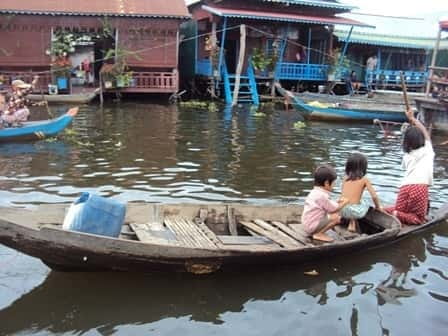
You’ll be on and around water, and you’ll also have land transport with air-conditioning. Keep it simple and comfortable:
- A hat and sunscreen for outdoor time
- Lightweight long sleeves if you burn easily
- Sandals or shoes you don’t mind getting a bit wet
- A small bag for water and snacks you buy at the village stop
The tour provides mineral water and cool towels, which helps a lot with heat management. Still, I’d rather you arrive ready than rely on the day’s comfort items alone.
And since it’s not for wheelchair users, consider mobility needs carefully. You may have walking portions at the village stop and steps/uneven ground around stilt areas depending on water conditions.
Who should book this Tonle Sap fishing village tour
This is a great fit if you:
- love nature that explains itself (ecosystems tied to seasonal life),
- want a genuine look at how people work around the lake,
- care about local food details, not only temples,
- and appreciate an organized half-day with a local guide who can connect what you see.
It’s also a good choice if you like calmer pacing. The tone here tends to feel relaxing, especially with guides who explain clearly and drivers who keep the ride safe and smooth.
You might reconsider if your main goal is a specific “fully flooded, dramatic forest” look. Water levels can limit access, especially during low-water periods.
Should you book this Tonle Sap fishing village and flooded forest tour?
If your priority is understanding how Tonle Sap supports real livelihoods—fish, agriculture, and seasonal work—then yes, book it. The boat time at Kampong Phluk and the guided explanations are the core value, and they’re usually what make the day feel worthwhile even when water conditions reduce access to certain areas.
I’d book this tour if you’re also curious about rural foods, vegetables, and the small-market snack moment. That part gives you something tangible you can remember beyond photos.
But if you’re chasing maximum flooded-forest visuals only, consider your travel dates carefully. Choose a time when water is higher if that’s your top wish. If your dates fall during low water, go anyway, but center your expectations on ecosystem understanding and daily life rather than expecting full access everywhere.
In short: this is an authentic, low-pressure way to see Tonle Sap as a living system. If that sounds like your kind of day, it’s a strong bet.
FAQ
How long is the Tonle Sap Lake fishing village and flooded forest tour?
The tour duration is 4 hours.
Where do you get picked up in Siem Reap?
Hotel pickup and drop-off are included for hotels in Siem Reap city (pickup is listed as Krong Siem Reap).
Is there a morning or afternoon option?
Yes. The tour offers a choice of morning or afternoon departure.
What boat experiences are included, and is the mangrove rowboat included?
You’ll have a boat cruise as part of the tour. A rowboat at the mangrove forest is specifically listed as not included.
What is included in the price?
The tour includes a local English-speaking guide, air-conditioned vehicle, hotel pickup/drop-off, boat cruise, entrance free, and mineral water plus a cool towel.
Is the tour suitable for wheelchair users?
No, it is not suitable for wheelchair users.
Can I cancel and pay later?
Free cancellation is available up to 24 hours in advance for a full refund. You can also reserve now and pay later.