REVIEW · SIEM REAP
Siem Reap: Fishing in the rice fields, in the villages of Siem Reap
Book on GetYourGuide →Operated by Joe Jungle Adventure · Bookable on GetYourGuide
Snakehead fishing in rice fields beats Siem Reap crowds. I love how this day swaps temples for Khmer village life, and you also get hands-on topwater fishing with frog bait (yes, frogs). It is one of those activities that feels practical, local, and surprisingly fun once you’re out there with real people in the real countryside.
The main drawback is also the part that makes it authentic: you’re in the field, early and outdoors. You may encounter snakes or other dangerous wild creatures, so expect to move carefully, wear the right clothes, and stay alert.
In This Review
- Key things that make this tour work
- Why rice-field fishing in Siem Reap feels so different
- 7 a.m. scooter ride to villages and markets
- Snakehead basics: topwater frogs, tackle, and real technique
- Rice fields time: where adventure meets patience
- Lunch in a village, then spot changes based on fish stock
- Wild nature safety: mud, animals, and smart packing
- Price and value: what $68 buys you
- Who this tour fits best (and who might want another day)
- Should you book this rice-field fishing day?
- FAQ
- What’s the duration of the Siem Reap rice-field fishing tour?
- What time does the tour start and when does it end?
- Is pickup included, and do I need to be ready before the driver arrives?
- How many people are in the group?
- What’s included in the price besides the fishing?
- What type of fishing do you do and what bait is used?
- What should I bring?
- Are there free-cancellation terms?
- What languages are used by the instructor?
Key things that make this tour work
- Small group (max 4) means more attention when you’re learning the tackle and technique
- 7 a.m. start gets you into village life before the day gets busy
- Markets first, fishing second so you see more than just the water
- Topwater snakehead fishing with frog bait is a hands-on skill, not a spectator activity
- Spot changes based on water level and fish stock so the day stays flexible
- Food included (snacks, lunch, water, and a soft drink) so you don’t burn time or money hunting for meals
Why rice-field fishing in Siem Reap feels so different
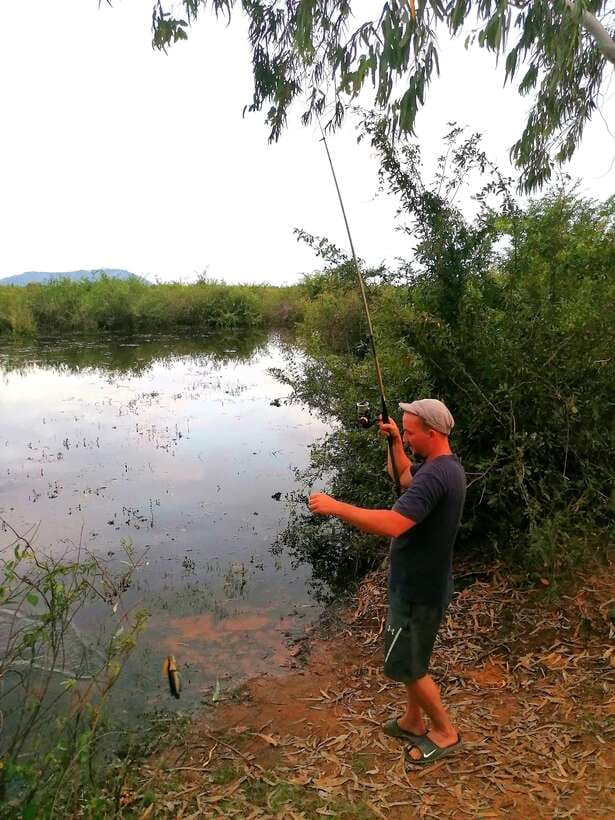
Siem Reap is famous for big-ticket sights, but this is the opposite vibe. Instead of grand ruins and package schedules, you get a morning in and around Khmer villages, then time in the rice fields where local fishermen actually work. It is not about fancy gear or staged photos. The day is built around basic outdoor skills: getting to the right spot, setting up, casting, and waiting for that first surface hit.
What I like most is the mix of cultural and practical. You start at local markets, so you get a quick read on daily life. Then you shift into a fishing method that locals use for snakehead fish, using frogs as bait. It’s a clean way to learn something real, with an instructor guiding you on the basics of topwater fishing.
And because the spots depend on water levels and fish stock, you’re not watching the same scene on repeat. You might fish in different areas across the day, which keeps it from feeling like a single long wait.
You can also read our reviews of more tours and experiences in Siem Reap.
7 a.m. scooter ride to villages and markets
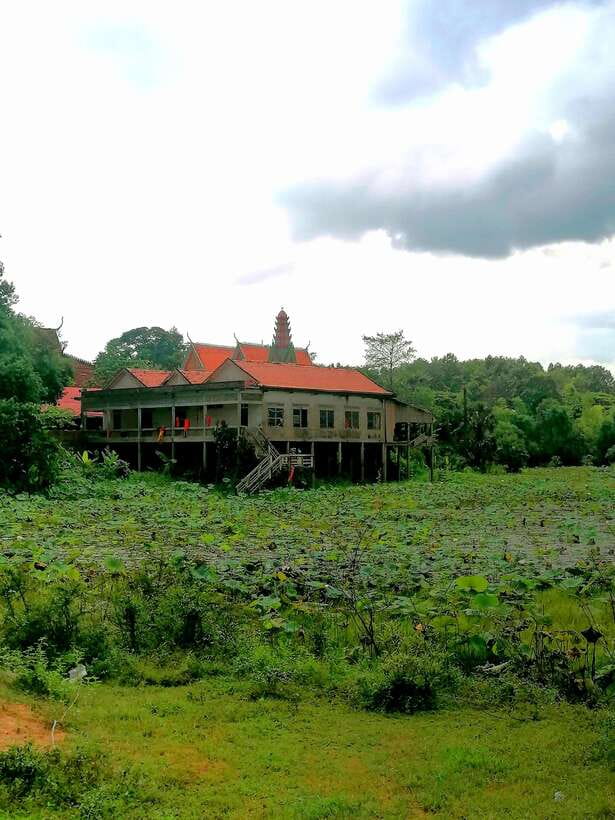
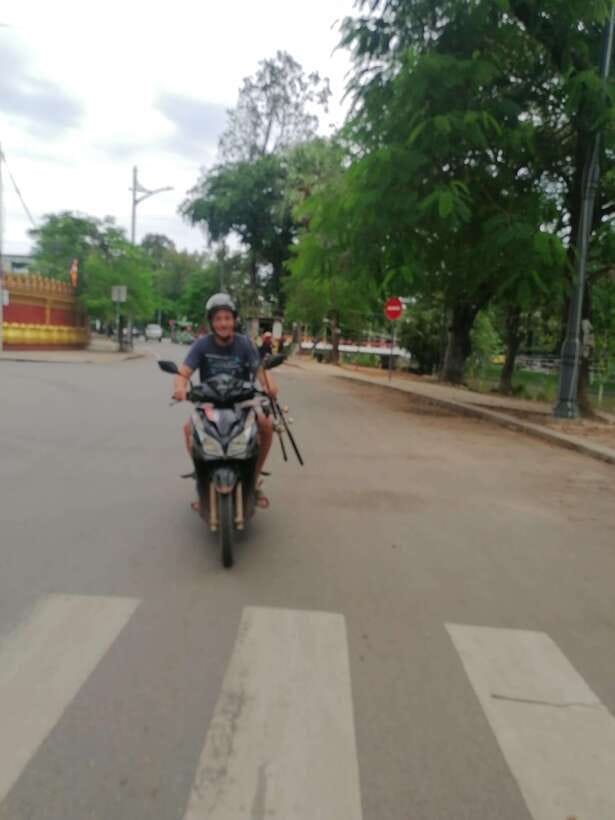
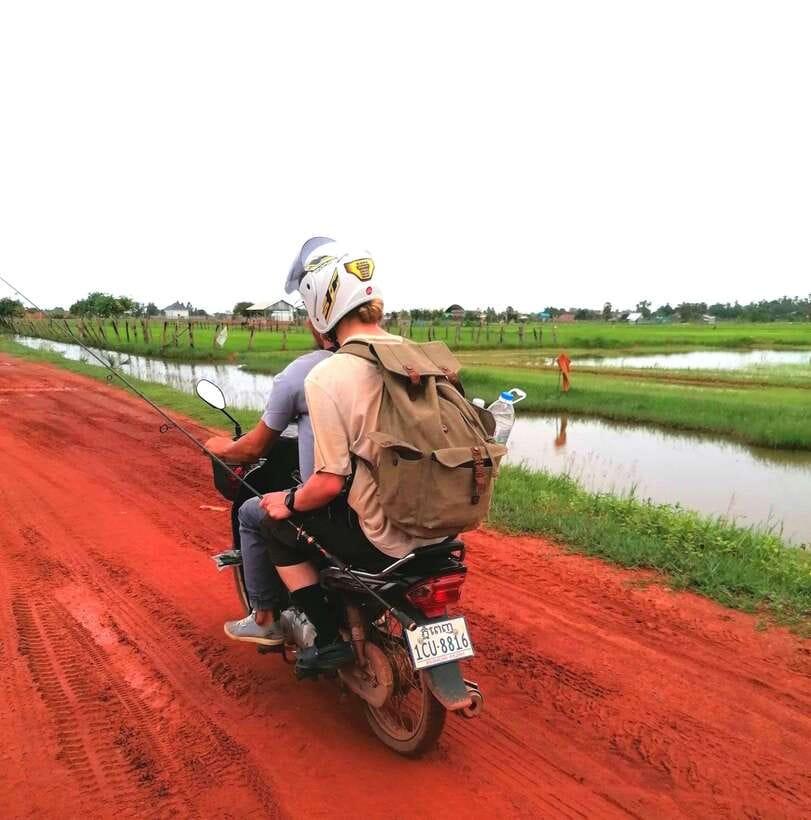
You start early, around 7:00 a.m., and head roughly 20–30 km from Siem Reap toward nearby villages. The transport is on motorcycles or scooters, which is part of the thrill and part of the practical risk: you’ll feel the ride, and you’ll want clothes that can handle dust and sweat.
Before the fishing, you stop at local markets. This is where the day turns from activity to context. You’re not just passing through rural areas in a blur. You pause long enough to see typical Khmer life, get a feel for what people buy and sell, and pick up small clues about how the countryside functions year-round.
Then you move on to the fishing area in the rice fields. In this kind of country fishing, the “where” changes with the season and water. The tour leader adjusts the spot based on conditions, so you spend the time you paid for doing the activity, not guessing.
Snakehead basics: topwater frogs, tackle, and real technique
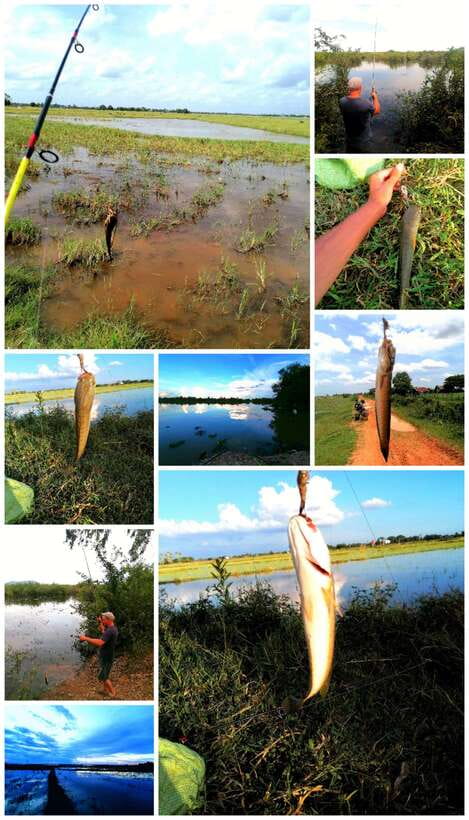
Once you arrive at a fishing spot, you get introduced to the tackle and taught the basic rules of topwater fishing. In your case, the bait is frogs, and that detail matters because it changes the whole feel of casting and retrieving. You’re not fishing like you’re on a calm lake at home. You’re trying to trigger a surface strike and stay in control while the fish hunts near the top.
You’ll also get a small snack before you start fishing. That’s a small thing that turns out to matter a lot on a day like this. With an early start and a long time outdoors, you’ll be glad you’re not running on coffee and willpower.
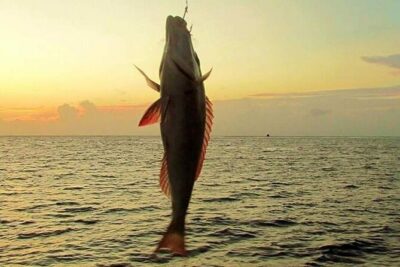
Here’s what you’re really waiting for: that moment when a snakehead fish grabs the bait on the surface of the water. It’s not just a tug that feels like any other fish. The topwater action is more visual and more immediate. If you’re lucky, you get to land it; if not, you still learn by doing because the instruction is built into the actual fishing time.
You may also see local fishermen nearby. At points along the way, the group stands together in the rice fields with fishermen who are working, not posing. That human element makes the lesson stick.
Rice fields time: where adventure meets patience
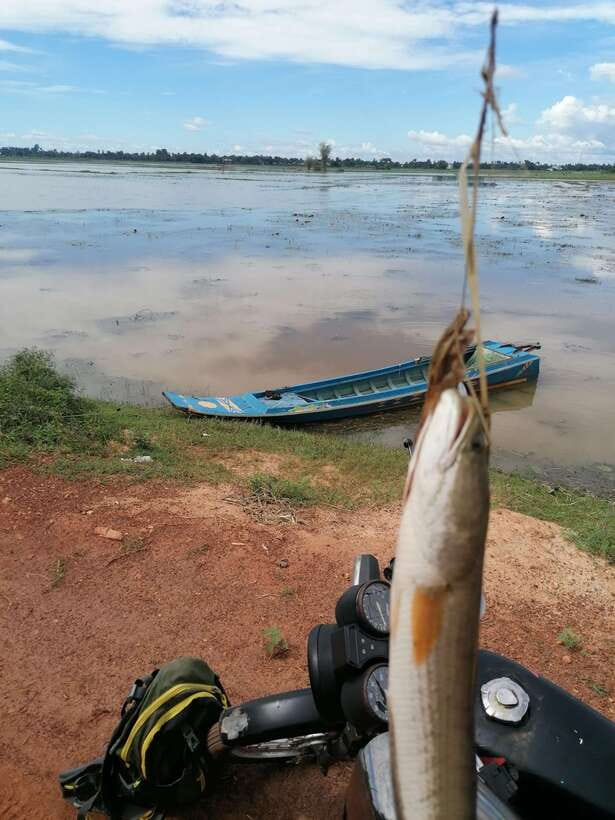
After the initial instruction, the day becomes a mix of stillness and bursts of action. You cast, you watch the water line, you wait for movement near the surface, and you adjust your technique based on what’s happening.
The tour is designed to maximize fishing time. You’ll fish at the first spot for a stretch, with the option to move again later. Lunch is planned in one of the surrounding villages, and then you get back out for more fishing in the afternoon.
One detail that can add extra satisfaction: the fish you catch can be prepared and eaten on the spot if you want. That is very much in line with local fishing culture, where people cook what they catch because they are already out there for hours. Even if you don’t eat it, it gives you a stronger sense of what this day means for locals beyond the sport side.
Some days, you may also find the fishing area connects with nearby water bodies, and you might do some water travel around the area before settling into rice-field fishing. The tour adapts to what the local conditions allow.
Lunch in a village, then spot changes based on fish stock
Lunch comes in a nearby village. This part of the schedule matters because it breaks up the morning without pulling you into a “restaurant on wheels” situation. You eat within the rural setting, then you head back out.
After lunch, the plan is to change spots again if needed. The tour notes that the decision depends on the fish stock, and that makes sense. Snakehead fishing can be productive in one spot and slow in another, even within a short distance, because of water depth, cover, and movement patterns.
So in the afternoon, you get more chances at the kind of topwater action you came for, not just a repeat of the first cast. This is a big reason the day feels active rather than purely touristic. You’re not trapped in one view waiting for a final photo.
You’ll be out until around 17:30, then drive back to the starting point in Siem Reap.
Wild nature safety: mud, animals, and smart packing
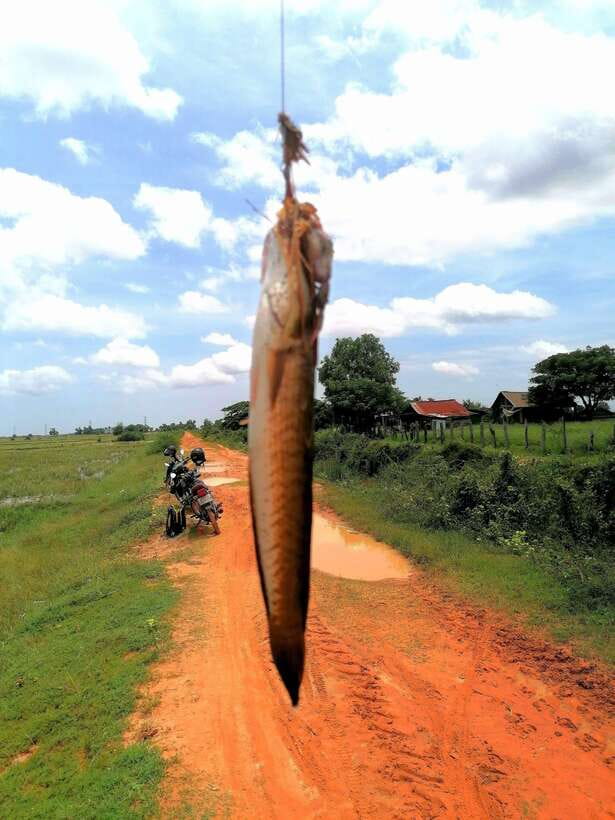
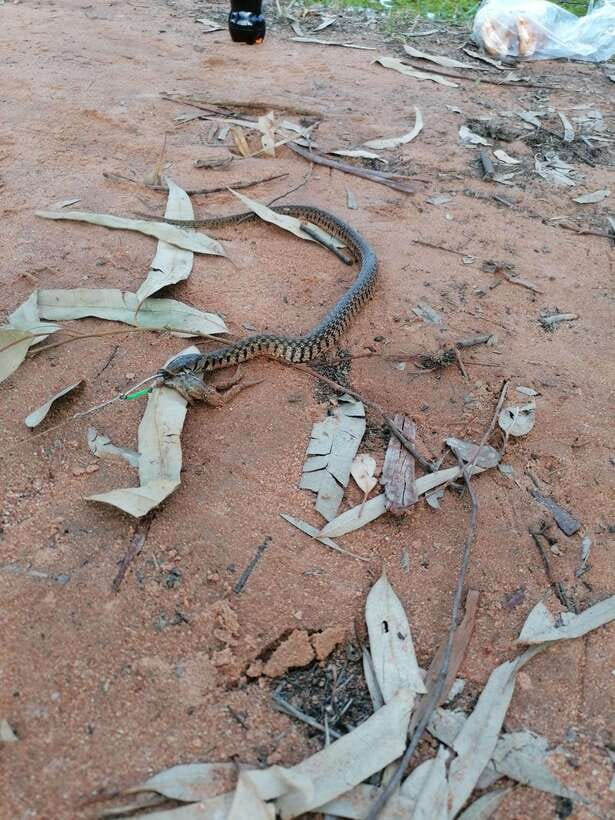
This is real countryside fishing, not a manicured experience. You’re in places where the natural world is active, including wildlife. The tour specifically warns that it is not uncommon to encounter snakes or other dangerous wild creatures.
What does that mean for you on the ground? It means you should treat this as an outdoor adventure where your attention matters. You’ll want to keep your footing steady, avoid grabbing unknown plants or stepping into areas without checking, and follow the lead of your guide.
Also pack with the idea that you’ll get dirty. The tour asks you to bring clothes that can get dirty, and that’s good advice. Rice fields can be muddy, and the combination of water, sun, and outdoor movement can leave you looking like you worked all day. In a good way.
Bring your sun protection too:
- Sun hat
- Head covering (or a kippah)
- Sunscreen
Even if you think you’re tough, the Cambodian sun during a long day outdoors can wear you down faster than you expect.
Price and value: what $68 buys you
At $68 per person, the value is strongest when you compare what’s included versus what you’d normally pay separately. This price covers:
- hotel pickup and return in Siem Reap
- transport out to the villages
- snacks, lunch, water, and one soft drink
- fishing equipment
- instruction on topwater snakehead fishing
You’re also paying for something that is hard to price: learning time. The day is structured so you’re not just handed a rod and left to figure it out. You get introduced to tackle and rules before you start casting, and the group stays small (up to 4 people), so you get more help when you need it.
Is it “cheap” in the sense of a short, low-effort tour? No. But it’s not a tourist trap price either. It is a full day, early start, multiple stops, and real countryside time with guided fishing.
The only thing that can affect your payoff is catch results, because fish stock can change and the tour may shift spots based on conditions. Still, even when the catch is slower, you’re spending your day doing something hands-on and local.
Who this tour fits best (and who might want another day)
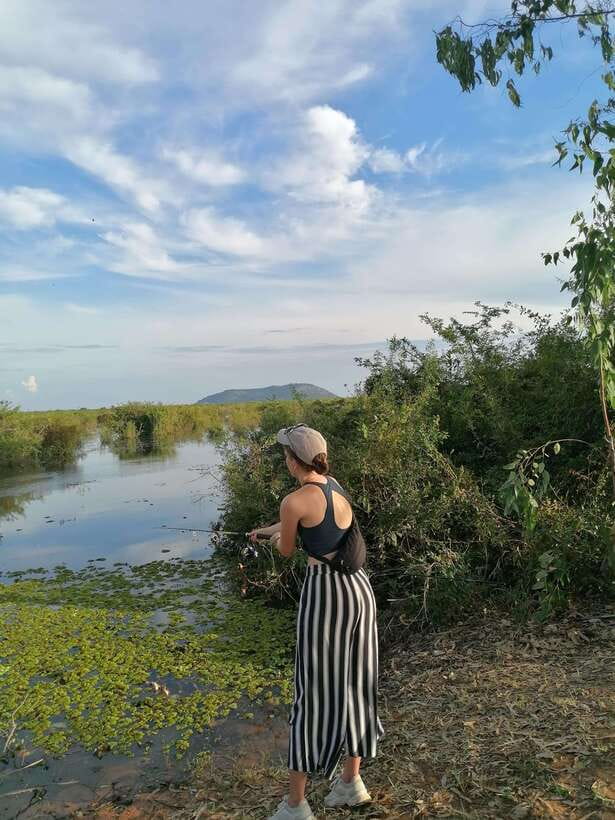
This tour is a great fit if you want:
- a break from mass Siem Reap tourism
- hands-on outdoor activity, not a passive show
- culture through daily life, starting with village markets
- a small-group experience where you get real instruction
You’ll likely enjoy it more if you’re comfortable with early mornings and don’t mind getting a little dirty. If you’re the type who hates being outdoors, worries a lot about wildlife, or needs very predictable timing, this might feel like too much adventure.
Also, you should feel fine with the fishing method. Frog bait and topwater technique are part of the point. This is not a gentle pond fishing style—it’s a skill-based approach where you wait for that surface strike.
Should you book this rice-field fishing day?
Yes, if you want something authentically Khmer and you like the idea of learning a local technique in rice fields. The small-group size, included meals, and the fact that you start with village markets make this more than just fishing. It’s a full day story: village life, then frogs and snakeheads, then lunch, then more fishing before heading back at 17:30.
Skip it only if the idea of outdoor wildlife risk (snakes are mentioned) or getting dirty would spoil your day. Otherwise, it’s one of the more memorable ways to see Siem Reap Province beyond the usual highlights.
FAQ
What’s the duration of the Siem Reap rice-field fishing tour?
The tour runs for about 10.5 hours.
What time does the tour start and when does it end?
It starts in the morning at 7:00 a.m. and ends around 17:30.
Is pickup included, and do I need to be ready before the driver arrives?
Yes. Pickup is included from your hotel in Siem Reap. You should be in the hotel lobby 15 minutes before pickup.
How many people are in the group?
This is a private tour limited to a maximum of 4 participants.
What’s included in the price besides the fishing?
You get fishing equipment, snacks and lunch, water, and one soft drink per person, plus transportation to and from your hotel.
What type of fishing do you do and what bait is used?
You do topwater fishing and fish with frogs as bait.
What should I bring?
Bring a sun hat, a head covering or kippah, sunscreen, and clothes that can get dirty.
Are there free-cancellation terms?
Yes. There is free cancellation up to 24 hours in advance for a full refund.
What languages are used by the instructor?
The instructor speaks German and English.