REVIEW · ROVANIEMI
Snowshoeing and Ice Fishing Tour
Book on Viator →Operated by Wild About Lapland · Bookable on Viator
Snowshoeing and ice fishing on a frozen lake sounds wild. This 4-hour tour from Rovaniemi pairs snowshoe walking with ice-fishing basics, then wraps it up with hot drinks, Finnish snacks, and food cooked over an open fire.
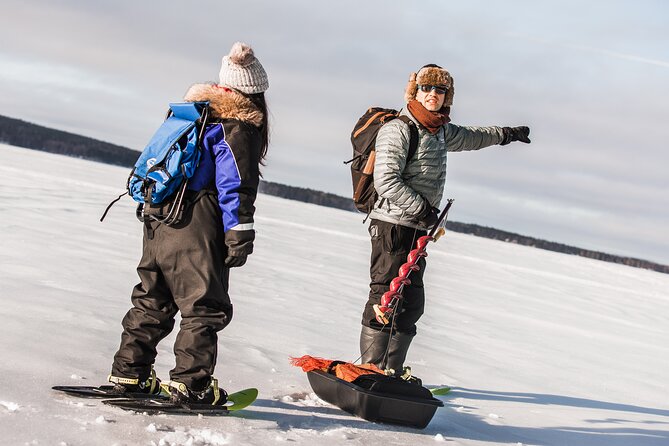
What I like most is that it’s a true two-in-one: you don’t just watch ice fishing, you learn the steps and get time on the lake. The other big win is how much is handled for you: equipment, professional winter clothing/boots, and a guide are all included.
My only caution: ice fishing isn’t a guaranteed win for lunch. Even in good conditions, you may end up enjoying the calm, the fire, and the whole experience more than a table full of fish, especially if the weather is rough or the bite is slow.
In This Review
- Key things that make this tour special
- Why this snowshoe + ice fishing combo makes sense in Lapland
- Price and value: what you’re really buying for $137.80
- Getting started at Wild About Lapland in Rovaniemi
- Snowshoeing: calm forest walking and the walk to the lake
- Ice fishing setup: drilling, technique, and real patience
- The fire on the shore: hot drinks, sausages, and Finnish comfort
- Fire-making and survival skills that actually help
- Timing and what to plan before and after
- What’s the walking difficulty really like?
- Small group size: why max 8 helps your experience
- What to expect about catching fish (and why that’s okay)
- Should you book this snowshoeing and ice fishing tour?
- FAQ
- FAQ
- How long is the snowshoeing and ice fishing tour?
- What’s the price per person?
- What language is the tour offered in?
- What’s included in the price?
- Do I get to keep any fish that I catch?
- What if the tour is canceled due to weather?
Key things that make this tour special
- Two activities in one 4-hour block, so you get real time on snow and real time on the ice
- Round-trip transport for hotels outside the city center, which saves you from figuring out winter logistics
- Fire time with hot drinks and Finnish snacks, including grilling sausages over an open fire
- Gear and clothing provided, including snowshoe and ice-fishing equipment plus professional winter boots/outerwear
- Practical survival-style skills, including fire-making skills and wilderness know-how
- Small-group feel (max 8), which keeps the pace manageable on snow and at the ice hole
Why this snowshoe + ice fishing combo makes sense in Lapland
Lapland winter activities can be time-consuming to plan. You often have to choose one thing and accept trade-offs—either lots of walking with no tasting, or fishing with limited time outside the camp setup. This tour is built to do both in one go.
The format also fits how people actually enjoy winter. Snowshoeing lets you warm up slowly and admire the quiet around Rovaniemi without needing special endurance training. Then ice fishing shifts from motion to patience, with a guide steering you through drilling, line setup, and the basics of waiting for bites.
On top of that, the tour keeps you anchored in the basics of survival in a friendly way. You learn fire-making skills and wilderness habits, not just entertainment. That practical angle is part of why this kind of day in Finland sticks with you.
You can also read our reviews of more tours and experiences in Rovaniemi.
Price and value: what you’re really buying for $137.80
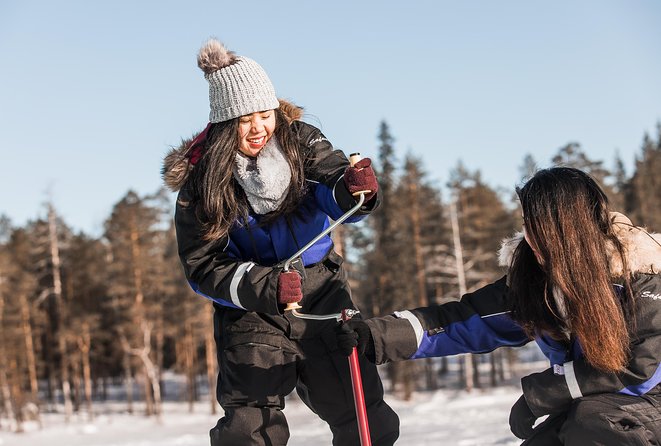
At $137.80 per person for about 4 hours, the headline question is whether you’re paying for “a taste” or for real support. Here’s what makes the value make sense.
You’re not just paying for a guide’s time. The tour includes equipment for both snowshoeing and ice fishing, plus professional winter clothing/boots—big-ticket costs if you’d otherwise rent gear in town. You also get Finnish snacks and hot drinks, and transport is included for accommodations outside the city center.
Finally, you get something that’s hard to DIY safely: a guided setup on a frozen lake. Ice fishing isn’t just fun, it’s also about being in the right place and using the correct technique. When you add all of that up—gear, clothing, guide, lake time, and food breaks—the price starts to look fair for a short, well-supported outing.
Getting started at Wild About Lapland in Rovaniemi
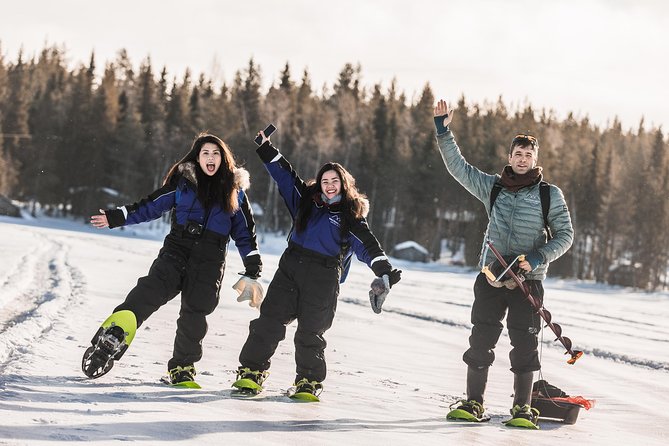
Your day begins at Wild About Lapland, Rova katu 24, 96100 Rovaniemi. The tour ends back at the same meeting point, which makes it easy to plan the rest of your day—whether you’re heading back to your hotel or catching public transport.
This is also one of those tours that removes decision fatigue. You have a mobile ticket, the tour runs in English, and you get confirmation at booking time. If you’re staying outside the city center, pickup and drop-off are included—a nice touch when winter roads and timing can be a hassle.
Group size is capped at 8 travelers. That matters more than it sounds. With smaller groups, the guide can slow down for snowshoe balance, check how people are managing cold hands/feet, and still keep ice-hole technique organized.
Snowshoeing: calm forest walking and the walk to the lake
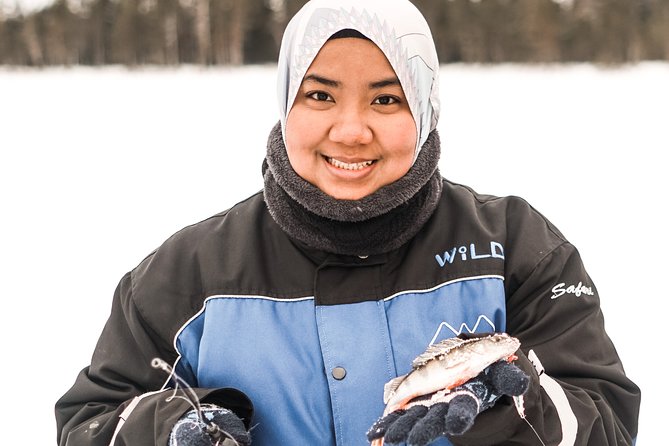
Before you hit the trees, the guide gives instructions on how to walk with the snowshoes. That briefing is not “optional.” It’s the difference between gliding across the snow and constantly fighting your own footing.
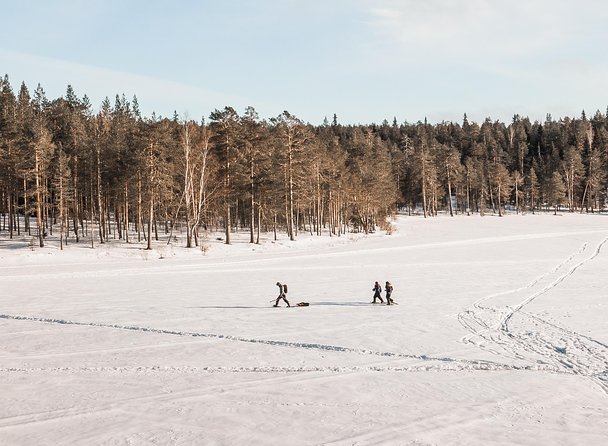
Once you start, the pace is designed to let you appreciate the quiet. You head away from Rovaniemi to find a peaceful starting point, then continue through snowy forest paths. This is where you’ll notice how Lapland winter changes your perception of speed—everything feels slower and more deliberate, which is exactly what many people want.
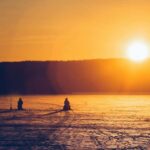
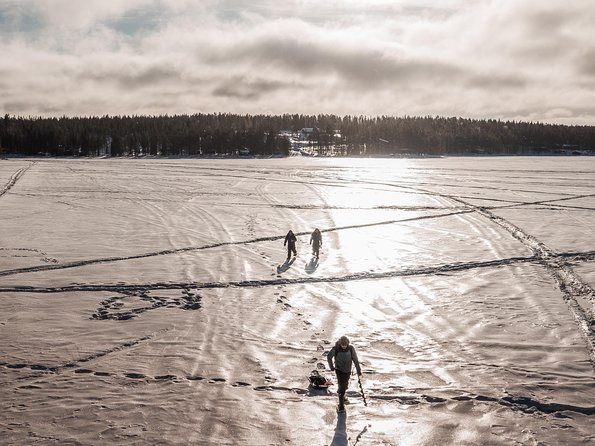
The walk ends at the frozen expanse of a lake. At that moment, you switch from “how do I walk in these shoes?” to “how do I stay steady in the cold?” You’ll typically get a sense of how snow depth varies underfoot as you approach the lake edge.
One practical note from real-world experience: even with snowshoes, you can sometimes sink down more than expected. If you’re worried about balance or stability, this is the part where you’ll be happiest if you take the guide’s instructions seriously and keep a relaxed, short stride.
Ice fishing setup: drilling, technique, and real patience
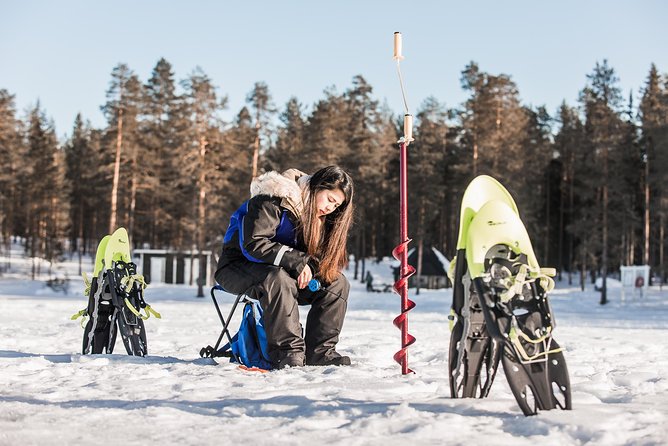
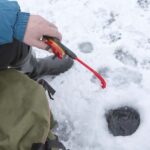
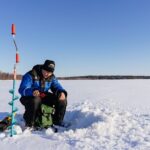
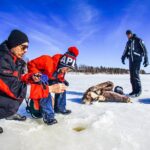
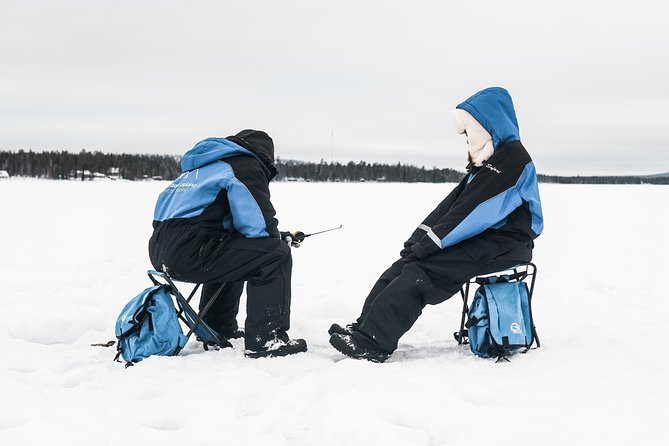
Once you’re on the lake, your guide helps you find a promising spot and drill a hole. This is where the tour becomes more than scenic time. You get taught basic ice-fishing techniques, and you’re given time to fish.
What I think you should mentally prepare for: ice fishing is not constant action. The work is setting up correctly, then doing the difficult part—waiting without making things worse. In wind or heavy snow, it can be harder to stay still and comfortable, even if you’re properly layered.
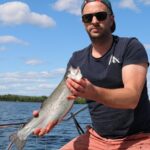
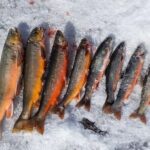
If you’re hoping to eat what you catch, your odds depend on conditions. When you do catch something of a decent size, the guide can prepare it right there over the fire later. If fish are undersized, the tour follows proper practice by returning them to the lake without unnecessary harm.
Also, expect to stand during fishing. There aren’t chairs involved in the basic setup, so you’ll want to plan for a stationary posture in cold air. If you’re the type who gets fidgety when you’re supposed to be still, bring patience into the day—you’ll enjoy it more.
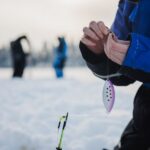
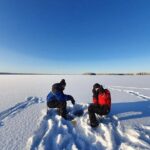
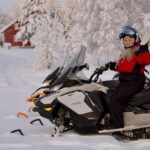
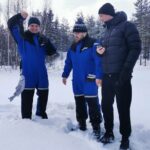
The fire on the shore: hot drinks, sausages, and Finnish comfort
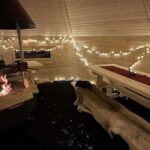
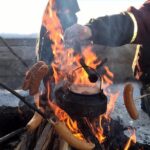
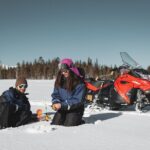
This tour’s camp break is where it turns from “outdoor activity” into “winter story you remember.” While you fish, your guide prepares a fire on the shore. That means you’re not waiting in the cold forever without a payoff.
Finnish snacks and hot drinks are waiting around the fire. And yes, you’ll also grill sausages over an open fire. It’s simple food, but it fits the day perfectly: salty, warm, and practical after time on snow and ice.
If you catch a decent fish, you may have it cooked over the fire and added to the menu of the day. The cooking approach matters here. It’s not gourmet—this is food that matches the environment: straightforward, smoky, and anchored to the moment you pulled it from the ice.
One more detail that makes the break feel authentic: you learn fire making skills and survival-style know-how as part of the wilderness experience. That means the fire isn’t just a prop. It’s part of the lesson.
Fire-making and survival skills that actually help
The tour description leans into survival and fire-making skills in the wilderness, and that’s a big part of the value for curious travelers. Even if you never plan to use these skills again, the principles are useful: how to manage a fire in cold conditions and how to think in terms of safety and warmth.
You’re in a guided setting, so you’re learning with support and equipment. That keeps it from becoming a dangerous guessing game. You’ll also understand how these skills connect to why you eat and warm up when you’re far from civilization.
If you’re the type who enjoys practical learning, this is the part you’ll probably talk about later. One guide mentioned in past groups is Jana, praised for being patient and adjusting to participants’ abilities. That matters because fire skills work better when pacing matches the group.
Timing and what to plan before and after
The tour runs about 4 hours. That’s long enough for snowshoeing, lake time, and a real fire break, but short enough that you won’t lose your whole day.
A good strategy is to schedule something flexible afterward. This isn’t a quick photo stop. You’ll be in winter gear, then stand still, then eat warmed food, then walk back out. Even when the day feels calm, your body will notice it.
If you’re coming from the city, you’ll likely do well building in buffer time for getting layered up. If you’re staying outside the city center, the included round-trip transport for those hotels helps a lot, since you don’t have to coordinate a separate ride in deep winter.
What’s the walking difficulty really like?
Most travelers can participate, and the tour provides professional winter clothing/boots, plus snowshoe equipment. That combination removes a common barrier: feeling underprepared.
Still, snowshoeing isn’t flat-ground strolling. You’ll learn how to walk in snowshoes, and then you’ll move through snowy areas at a winter pace. If you have good balance and can handle slow walking outdoors, you’ll be fine.
If you’re worried about cold or sitting still at the ice hole, focus on layers and staying dry. The tour includes winter outerwear support, but you still want to wear comfortable warm socks and keep your movements steady. When wind and snow pick up, staying comfortable becomes harder even with the right gear.
Small group size: why max 8 helps your experience
With up to 8 travelers, you’re more likely to get personal attention at both stages: snowshoe technique and ice-fishing instruction.
At the ice hole, this matters because drilling and setup require time and space. With small groups, the guide can help you troubleshoot basics and keep everyone safe without rushing people who need a slower start.
On snow, small groups also keep the walk peaceful and not crowded. Lapland winter is quieter than many places on Earth. You feel it more when you’re not constantly navigating around larger crowds.
What to expect about catching fish (and why that’s okay)
Ice fishing is an experience first. The tour is designed around teaching and setting you up to fish, not promising a specific haul.
When you catch fish that are a decent size, you can get it cooked over the fire. If you catch undersized fish, they’re returned to the lake properly. So the day doesn’t depend entirely on your luck—it depends on your willingness to try, wait, and enjoy the rhythm.
If you go in expecting a big meal every time, you’ll likely be disappointed on slow-bite days. But if you want an authentic winter activity that mixes learning, quiet, and fire-cooked comfort, you’ll feel satisfied even without a trophy fish.
Should you book this snowshoeing and ice fishing tour?
Book it if you want a short, high-value winter day that combines snowshoeing + ice fishing with gear, clothing, a guide, and a warm camp break included. It’s a strong fit for first-timers who don’t want to manage transport or equipment and want to learn practical winter skills along the way.
Skip it (or adjust expectations) if you’re laser-focused on catching and eating a lot of fish. Some conditions can make ice fishing feel more like waiting in winter weather than actively reeling in dinner. Also consider that part of the experience involves standing while fishing, so comfort matters.
If you’re visiting Rovaniemi and want something genuinely Lapland—snow, lake ice, a fire, and a guided lesson—this is a solid way to spend a half day.
FAQ
FAQ
How long is the snowshoeing and ice fishing tour?
It runs for about 4 hours.
What’s the price per person?
The price is $137.80 per person.
What language is the tour offered in?
The tour is offered in English.
What’s included in the price?
Equipment for snowshoeing and ice fishing is included, along with professional winter clothing/boots, Finnish snacks and hot drinks, and a professional guide. Hotel pickup and drop-off are included for accommodations outside the city center.
Do I get to keep any fish that I catch?
If you catch a fish that’s a decent size, your guide will cook it over the fire and add it to the menu of the day. Undersized fish are returned to the lake without unnecessary harm.
What if the tour is canceled due to weather?
This experience requires good weather. If it’s canceled due to poor weather, you’ll be offered a different date or a full refund.