REVIEW · ROVANIEMI
From Rovaniemi: Snowshoeing and Ice Fishing Tour
Book on GetYourGuide →Operated by Wild about Lapland · Bookable on GetYourGuide
Arctic winter feels big, even before you step outside. This 4-hour Rovaniemi tour mixes snowshoeing and ice fishing with real survival-style skills, like making a fire without matches, while you hunt for Arctic wildlife signs. You also get a short drive north, then a walk out onto a frozen lake where everything is quiet except your boots and the ice drill.
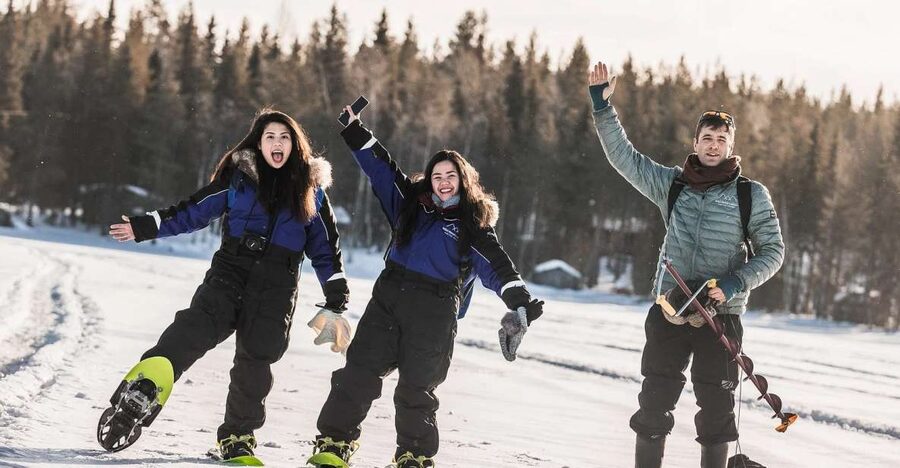
I especially like the small-group feel (max 8), which makes it easier to get help fast. I also love that guides teach you hands-on: Jeremy gets called out for making sure guests could even put on snowshoes correctly, and Archie, Matilda, and others spend time explaining the Finnish nature and how ice fishing works before you drill your own hole.
One thing to plan around: it can be cold enough to make comfort tricky, even with included suits and boots. A couple of reviews noted toes getting cold in provided boots, so if you run cold, bring extra warm layers and consider an extra cold-weather sock.
In This Review
- Key things I’d plan for before you go
- Entering the Arctic Circle: how this tour starts from Rovaniemi
- The snowshoe walk: easy enough to enjoy, long enough to feel it
- Arriving on the frozen lake: where the day goes from scenic to hands-on
- Drilling your own hole: the skill moment you’ll remember
- Fire without matches: survival skill plus camp comfort
- What you’ll actually get (equipment, clothing, and care)
- What to bring so you stay comfortable (not just tough)
- Price and value: what $135 buys in 4 hours
- Who this tour fits best in Lapland
- Guide quality: why the names keep showing up
- Should you book this snowshoe and ice fishing tour from Rovaniemi?
- FAQ
- How long is the tour from Rovaniemi?
- How far do we travel from Rovaniemi to the activity area?
- Is ice fishing equipment provided?
- Do I have to bring my own winter clothes and boots?
- Is the tour only for people who have fished before?
- Do you always catch fish?
- Do you make a fire, or is it just shown?
- Is the tour wheelchair accessible?
Key things I’d plan for before you go
- Small group (up to 8): more coaching, less waiting around on the ice.
- Drive north into the Arctic Circle: you’re not just walking in town snow.
- Snowshoe trek + frozen-lake fishing: two activities, one smooth winter circuit.
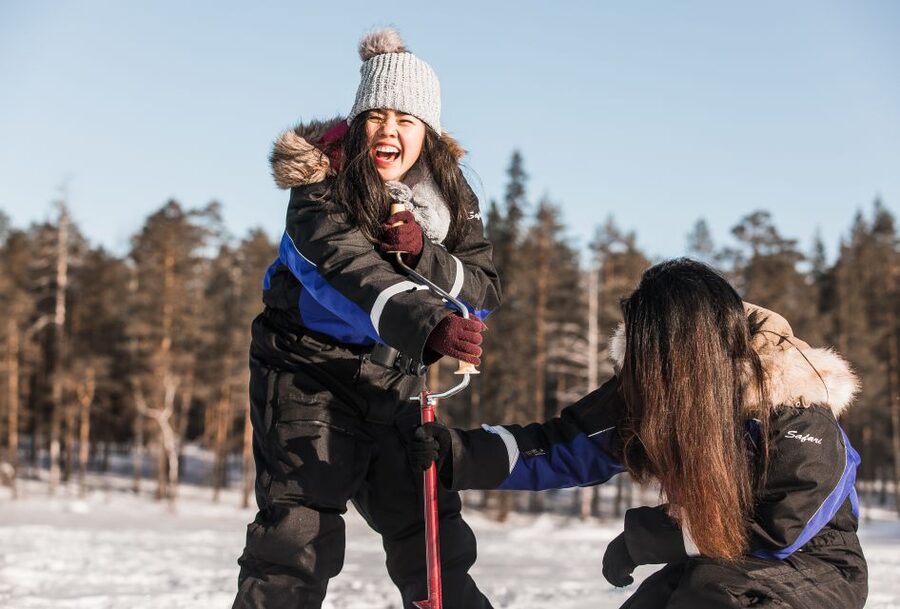
- You drill and fish your own hole: you’re not only watching.
- Fire without matches: a practical skill you’ll remember after the tour.
- Cold weather, all conditions: you need to dress for serious winter.
Entering the Arctic Circle: how this tour starts from Rovaniemi
Most days begin with pickup from your hotel if you’re outside the city center. Then you ride north about 20 kilometers, aiming for that Arctic Circle feeling without wasting your short winter time.
What I like about this approach is simple: you get the big “Lapland outside” experience quickly. You’re not spending your entire morning navigating transport and timing on your own. Once you get out of the car, the environment changes fast. Snow depth, the hush of trees, and the way light bounces off ice make it feel like a different world.
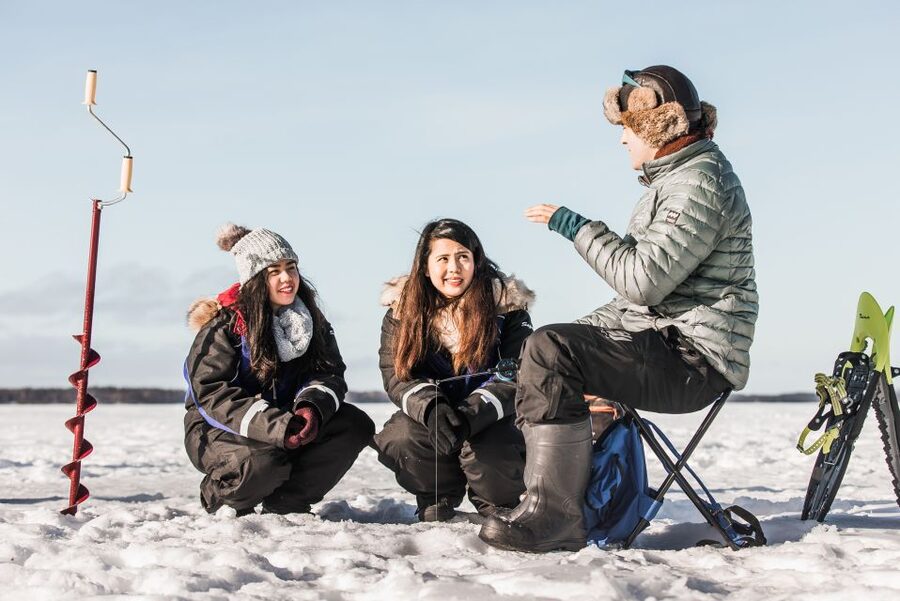
The tour language is English and it’s led by a live guide. Across the reviews, guides like Jeremy, Archie, Matilda, and Duncan are praised for being engaging and keeping the day moving, from gear setup to the first drill.
You can also read our reviews of more tours and experiences in Rovaniemi.
The snowshoe walk: easy enough to enjoy, long enough to feel it
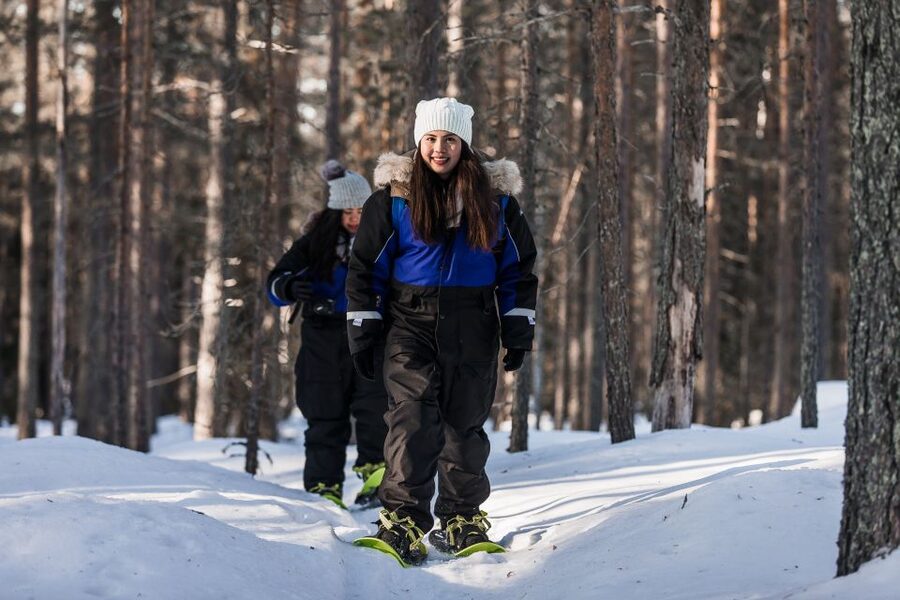
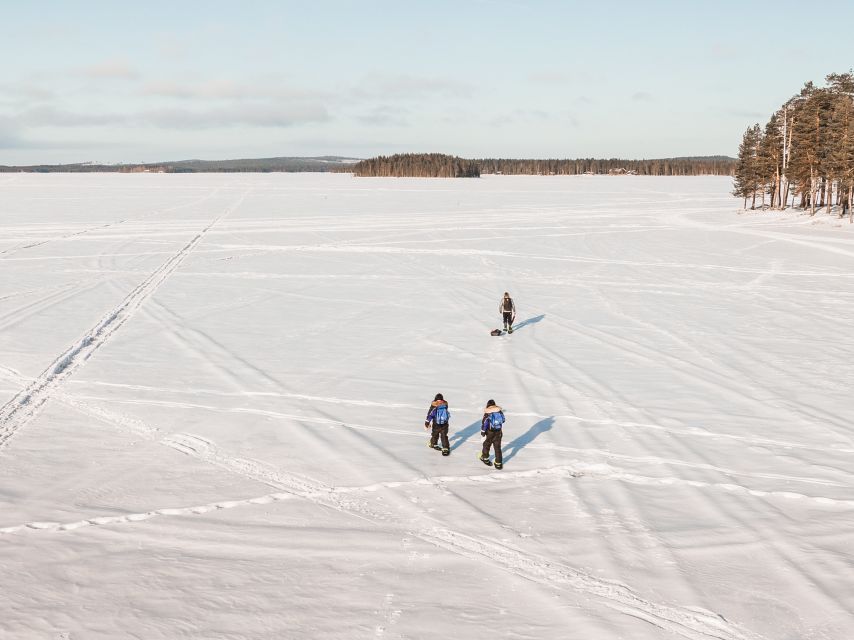
After you head out, you’ll snowshoe about 2 kilometers across snow toward the frozen lake area. This is the part where your winter mindset shifts from sightseeing to doing.
Snowshoeing in Lapland is not technical climbing. It’s more about balance and rhythm. The included gear and winter clothing/boots help, but how well you feel will depend on layering and how cold you run. A few guests called out cold toes, so don’t assume “included boots” means “max warmth for everyone.” If you’re sensitive to cold, pack extra thermal layers and socks.
I also like that the guides turn the walk into more than exercise. Several reviews mention learning about Finnish trees and traditions, and the quiet gives you space to notice small stuff—like wildlife tracks. One of the stand-out moments in the feedback was spotting tracks of an Arctic hare, which is the kind of detail that makes your photos feel real instead of generic.
Arriving on the frozen lake: where the day goes from scenic to hands-on
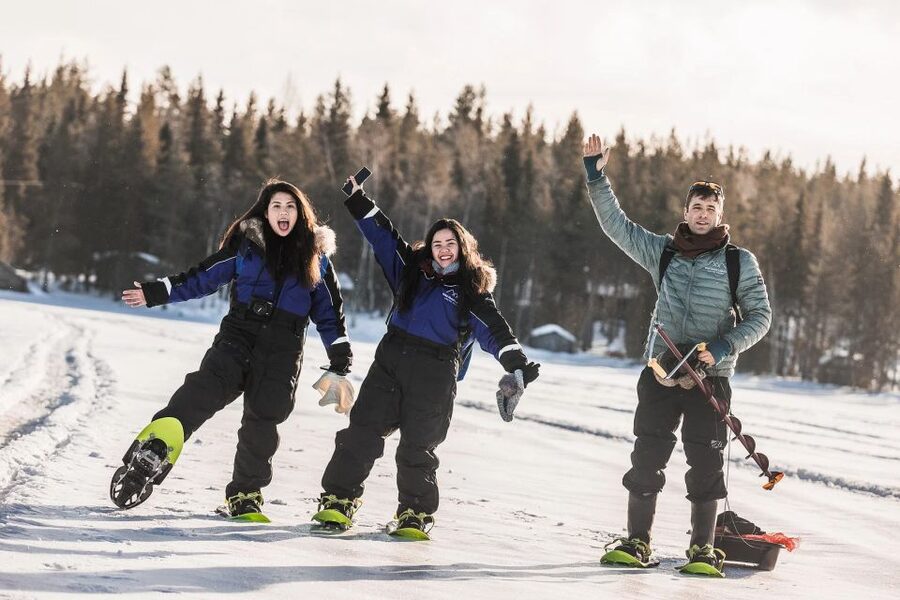
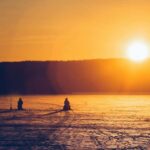
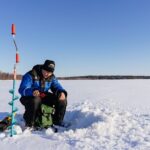
Once you’re on the lake ice, the tour becomes very practical. You walk out across the frozen surface, reach a fishing spot, and then prepare your individual fishing setup.
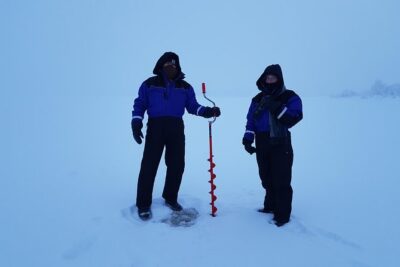
Here’s the value: you’re not just standing around while a guide demonstrates once. You’re given the equipment for ice fishing and coached on how to drill, how to set up, and how fishing works in general. Reviews highlight that drilling a hole is part of the experience for each participant, not a spectator activity.
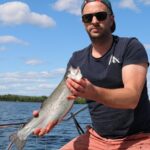
Also, manage expectations on fish. Ice fishing can be peaceful and fun even when you don’t land much. More than one review noted that catches were unlikely due to fish activity levels, and still the experience felt complete because you learned the process. That matters because cold-weather tours can get disappointing fast if you’re expecting a guaranteed bite.
Drilling your own hole: the skill moment you’ll remember
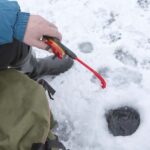
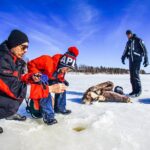
The ice drill part is simple, but it feels dramatic when you’re standing over a big frozen lake. Your guide shows you where and how to drill, then helps you start and get comfortable with the gear.
This is where small-group format pays off again. With only a handful of people, your guide can correct grip, adjust timing, and keep things from turning into a line. Even the reviews that didn’t catch fish still praise drilling and setup because it’s the core “I did this” moment of the day.
If you like photography, this stage is also gold. You can get shots of the gear, the ice texture, and the group working together in a setting that looks like it belongs in a winter postcard, except it’s real and close to you.
Fire without matches: survival skill plus camp comfort
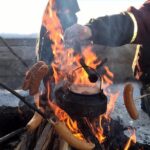
After fishing, your guide prepares wood and moves the group toward camp warmth. The big hook here is making a fire without matches. That’s not just a trick. It’s a survival-style skill that fits Lapland winters, where you want to know how to get heat going when the day is long and the cold is constant.
Reviews repeatedly mention people loving this part—especially because you watch the process first, then get to do it. One guest specifically mentioned using a magnesium rod, and others describe warming up in a shelter with a cozy, campfire feel.
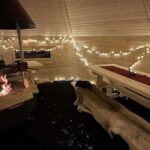
Depending on conditions, you’ll likely warm up inside a tent-like camp shelter (some reviews use terms like tipi or kota, so the exact setup can vary). What stays consistent is the point: you go from cold hands to a warm pause, with a snack and conversation.
And yes, there’s often food tied to the camp vibe. Sausage is mentioned in a few reviews, and there’s a campfire snack included by the tour. Even if the menu isn’t the main reason you book, it helps you remember this as a full experience, not just two activities in the cold.
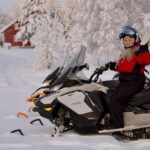
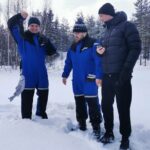
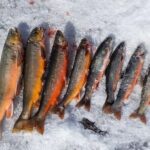
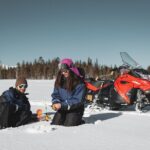
What you’ll actually get (equipment, clothing, and care)
This tour includes:
- Equipment for both snowshoeing and ice fishing
- Professional winter clothing/boots
- Campfire snack
- Hotel pickup and drop-off for accommodations outside the city center
- A professional guide and all taxes/fees
The practical takeaway: you can travel lighter than you might for a self-guided snowshoe day. But you still need to bring your own warmth.
What to bring so you stay comfortable (not just tough)
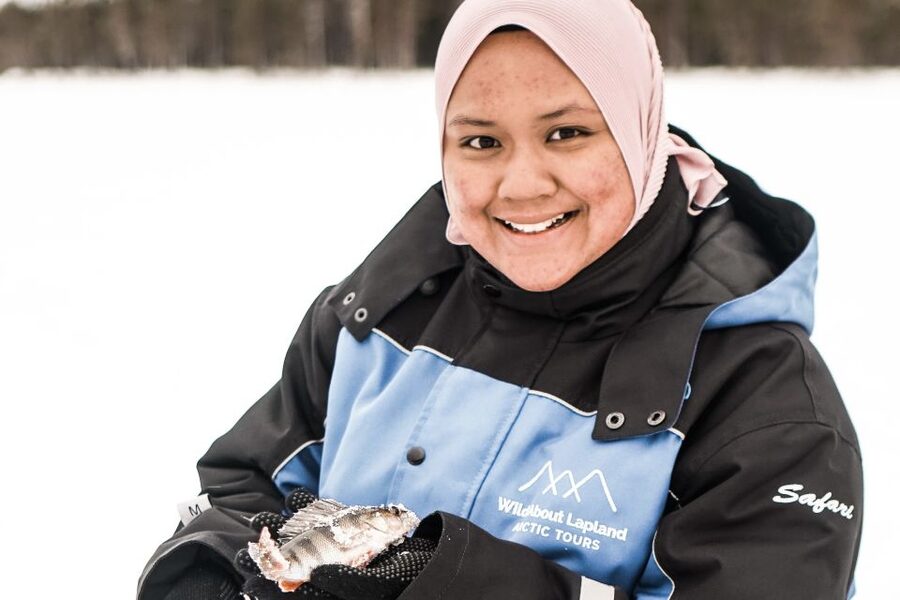
You’re told to bring warm clothing and thermal clothing, plus weather-appropriate layers. In real life, that means dressing like you expect wind and standing around. Even a short 4-hour outing can feel long when your body cools down.
I’d also bring:
- Thermal base layers (wool or synthetic)
- Extra socks if you run cold in boots
- A hat and neck layer that cover well
- Gloves you can handle with (drill work needs dexterity)
- Your camera (this tour is photo-friendly)
One review suggests bringing a head torch for afternoon slots. I’d treat that as a smart optional item. If light is fading when you’re on the ice or walking back, having your own light keeps you in control.
Price and value: what $135 buys in 4 hours
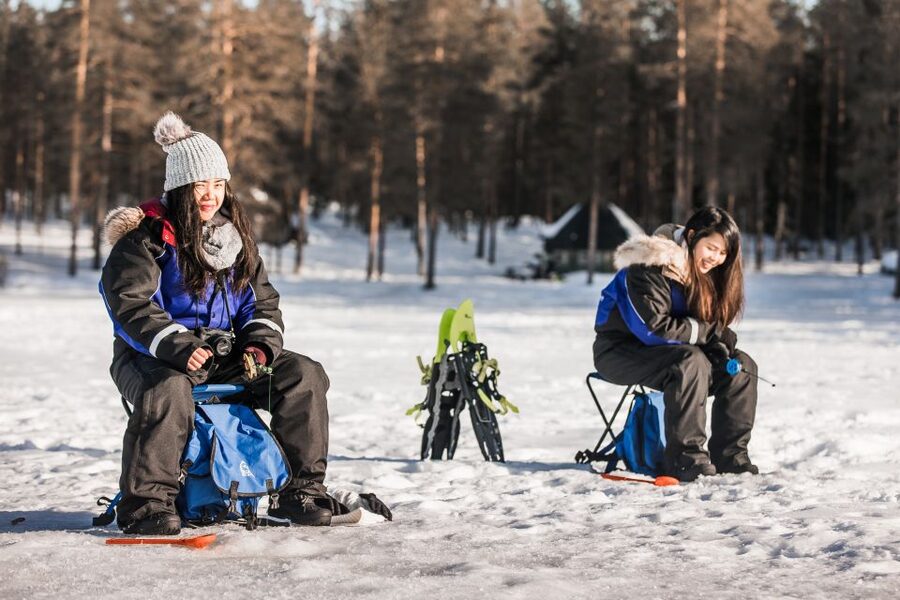
At about $135 per person for 4 hours, you’re paying for three things: transportation, gear, and guided skills in a harsh setting.
If you tried to DIY this, you’d face the same hard parts: renting snowshoe and ice fishing equipment, getting to the right frozen-lake spot, and figuring out how to drill and fish safely. You’d also lose the coaching that helps people enjoy the day instead of wrestling gear in the cold.
Small group size (max 8) also makes the money feel more justified. You’re not one face in a crowd. You’re set up, checked, and helped through key steps: snowshoe fit, fishing drilling, and then the fire-making lesson.
So the value is strongest if you want a guided Arctic day that teaches you real skills, not just a walk with a view.
Who this tour fits best in Lapland
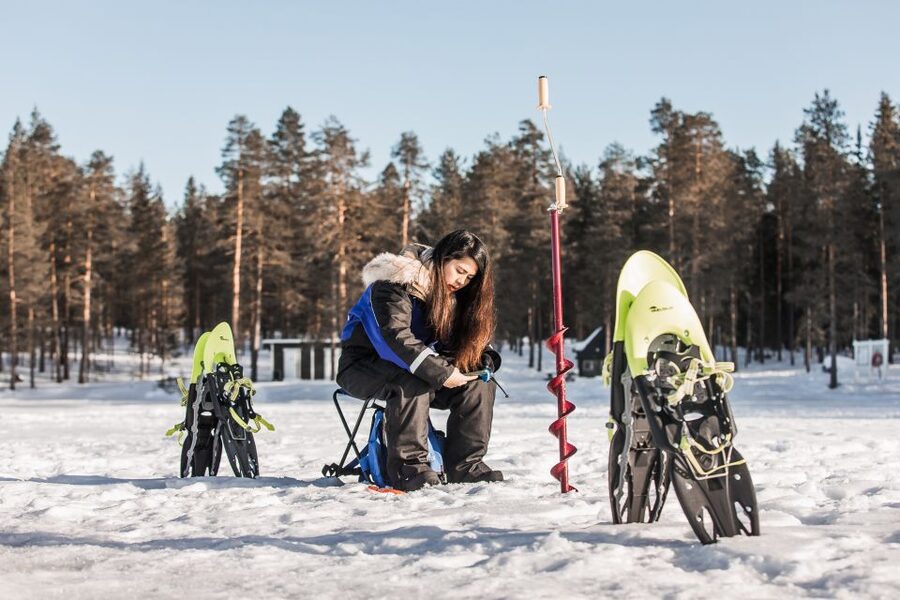
I’d book this if you want:
- A hands-on Arctic experience in a short time
- Something more active than a scenic bus tour
- A guide who explains the “why” behind the techniques
- A calm winter day with camp warmth at the end
It’s especially well-suited for first-timers to ice fishing and snowshoeing. Reviews highlight that many people found snowshoe trekking manageable, and even when nobody caught fish, the process still felt worthwhile because you learned how it works.
It’s also a solid option for families or couples who want structure. One review notes the experience was fun for kids too, with a guide who was particularly fun and warm.
Not suitable for wheelchair users. That’s because of snow, ice, and walking distances involved.
Guide quality: why the names keep showing up
The reviews don’t just praise the activities. They praise the guides as the engine of the day.
Jeremy is repeatedly praised for being entertaining and for practical help—like assisting with snowshoe setup. Archie is noted for introducing Finnish trees and traditions and for spotting wildlife sign like Arctic hare tracks. Matilda gets high marks for helping everyone, guiding the walk, drilling the hole, and making the day feel smooth. Duncan also shows up for being well prepared and supportive.
That pattern matters because this tour is partly about winter skills. A good guide makes it feel safe, easy, and genuinely fun even when the cold is pushing back.
Should you book this snowshoe and ice fishing tour from Rovaniemi?
If you’re looking for an Arctic day that mixes action with real learning, this is a strong pick. You get snowshoe time, ice fishing practice, and a fire-making skill that turns your cold day into something you’ll carry home as a memory, not just a photo.
I’d lean toward booking if:
- You want small-group attention
- You’re okay with the possibility of no fish catch
- You want to spend time on the frozen lake, not just near it
- You like guided experiences where the “how-to” matters
I’d think twice if:
- You’re extremely sensitive to cold, and you don’t want to layer up and manage gloves/socks carefully
- You expect guaranteed fish
If you’re flexible and dress right, this is the kind of Lapland tour that feels complete: snow under your feet, a hole you drilled yourself, and a warm fire moment at the end.
FAQ
How long is the tour from Rovaniemi?
The tour lasts 4 hours.
How far do we travel from Rovaniemi to the activity area?
You’ll drive about 20 kilometers north from Rovaniemi into the Arctic Circle area, then walk about 2 kilometers across a frozen lake.
Is ice fishing equipment provided?
Yes. The tour includes equipment needed for ice fishing, along with snowshoeing equipment.
Do I have to bring my own winter clothes and boots?
No. The tour includes professional winter clothing and boots. You should still bring warm layers and thermal clothing.
Is the tour only for people who have fished before?
No. The guide explains how ice fishing works in general and helps you drill and set up.
Do you always catch fish?
No. Several reviews note the chance of catching fish can be low, but the ice fishing process and experience are still the point.
Do you make a fire, or is it just shown?
You learn to make a fire without the use of matches, and the camp break is part of the experience.
Is the tour wheelchair accessible?
No, it is not suitable for wheelchair users.