REVIEW · FORT LAUDERDALE
Fort Lauderdale: 4-Hour Deep Sea Drift Fishing Trip
Book on GetYourGuide →Operated by Fishing Headquarters · Bookable on GetYourGuide
Deep-sea fishing off Fort Lauderdale can feel easy. This 85-foot air-conditioned Gulfcraft drift trip combines the thrill of deep-water fishing with practical 1-on-1 crew help, so first-timers don’t feel lost. One thing to keep in mind: the bite can be slow on certain days, and size limits can mean some fish are too small to keep.
I like that you’re not just paying for time on the water. You’re getting a plan: fish roughly a mile offshore where the bottom drops quickly, then drift or anchor over reefs, wrecks, and rock piles. On night trips, the crew even changes the approach by anchoring over a spot where they chum for snapper and grouper.
Value is a big part of this charter’s appeal. The price covers bait, tackle, rod/reel rental, and fishing licenses, plus coolers with ice—so you don’t show up guessing what you still need. The only obvious catch is you bring your own food and drinks, and you’ll want the right sun protection.
In This Review
- Key Highlights You’ll Care About
- Finding the Marina and Getting Started on Time
- The 85-Foot Boat Ride: Comfort First, Then Fishing
- Where You Fish: A Mile Out, Reefs and Drop-Offs
- Day Trip vs. Evening Trip vs. Night Chumming
- Daytime: Drift or anchor over reef structure
- Night: Anchor up and chum for snapper and grouper
- What You Can Catch: From Kingfish to Grouper
- How the Crew Turns “I Don’t Fish” Into Real Bites
- Gear, Bait, Licenses, and What’s Actually Included
- Food, Water, and Seasickness: Your Day’s Comfort Checklist
- Price and Value: Why $85 Can Make Sense
- Who This Trip Is Best For
- Tips to Maximize Your Chances (Without Stress)
- Should You Book This Fort Lauderdale Drift Fishing Trip?
- FAQ
- How long is the Fort Lauderdale deep sea drift fishing trip?
- What is the price per person?
- What time options are available?
- What fish are you hoping to catch?
- How far offshore do you fish?
- Is fishing gear and bait included?
- Are fishing licenses included?
- Do I need to bring food and drinks?
- Where do we meet for the trip?
- What should I bring for comfort?
Key Highlights You’ll Care About
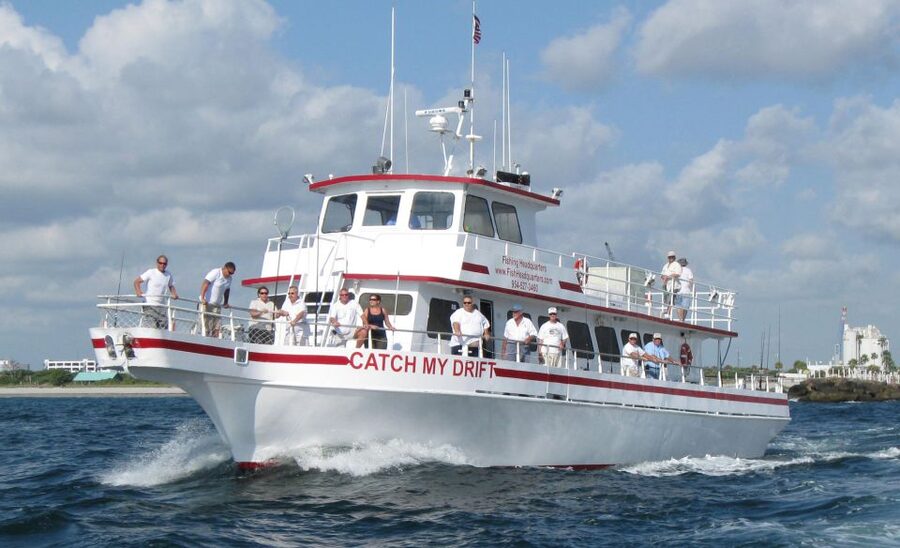
- 85-foot Gulfcraft comfort with air conditioning, not just a small party boat
- Fish about a mile offshore where depths run down to roughly 150 feet
- Kid-friendly fishing setup, including lighter rigs for catching snapper
- Crew-led line watching and baiting help throughout the trip
- Day drift vs. night chumming, so you’re fishing with a strategy, not luck
- What’s included keeps costs predictable: rods, reels, bait, tackle, licenses, ice
Finding the Marina and Getting Started on Time
Your trip starts at Fishing Headquarters, 301 Seabreeze Boulevard, Fort Lauderdale, FL 33316. It’s next to a 7-Eleven, and you’ll check in at the small white ticket office labeled Deep Sea Fishing. If you’re driving, look for the marina area for parking, and try to arrive early so check-in doesn’t turn into a sprint.
One small heads-up: free parking has been advertised, but in at least one situation people reported it turned into pay-and-display after new management. So if you’re the type who hates last-minute stress, bring a little cash or be ready to adjust. A smooth check-in helps you enjoy the ride instead of watching the clock.
You can also read our reviews of more tours and experiences in Fort Lauderdale.
The 85-Foot Boat Ride: Comfort First, Then Fishing
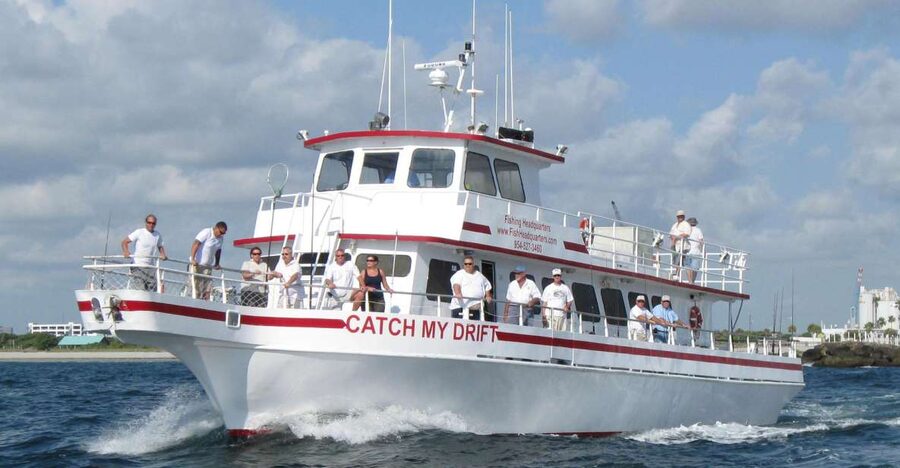
This is a true charter boat experience. You’re on an 85-foot Gulfcraft, and the cabin is air-conditioned, which matters more than people think when you’re out for four hours in Florida sun or humidity.
The ride out to the fishing area is part of the day. The boat is big enough that most people feel comfortable even when conditions get a bit choppy, though rough water can still make some folks feel sick. If you’re prone to motion sickness, pack what you normally use for boats—because once you’re offshore, there’s not much you can do besides ride it out and focus on the fishing.
Where You Fish: A Mile Out, Reefs and Drop-Offs
You’ll fish about one mile off the coast. That’s the sweet spot here because the seabed drops quickly, reaching depths up to roughly 150 feet. In plain language: you’re not stuck in shallow water where fish are picky. You’re in the zone where reef structure and current effects can bring food for the fish you want.
Depending on the time of day and the plan, the crew will either drift or anchor. You’ll target productive areas like reefs, wrecks, and rock piles—the kinds of places fish use for cover and ambush feeding.
This matters for you because drift fishing works best when the boat is positioned correctly and the crew stays alert. And on this trip, the crew doesn’t treat line setup as a one-and-done task; they actively help keep you fishing effectively.
Day Trip vs. Evening Trip vs. Night Chumming
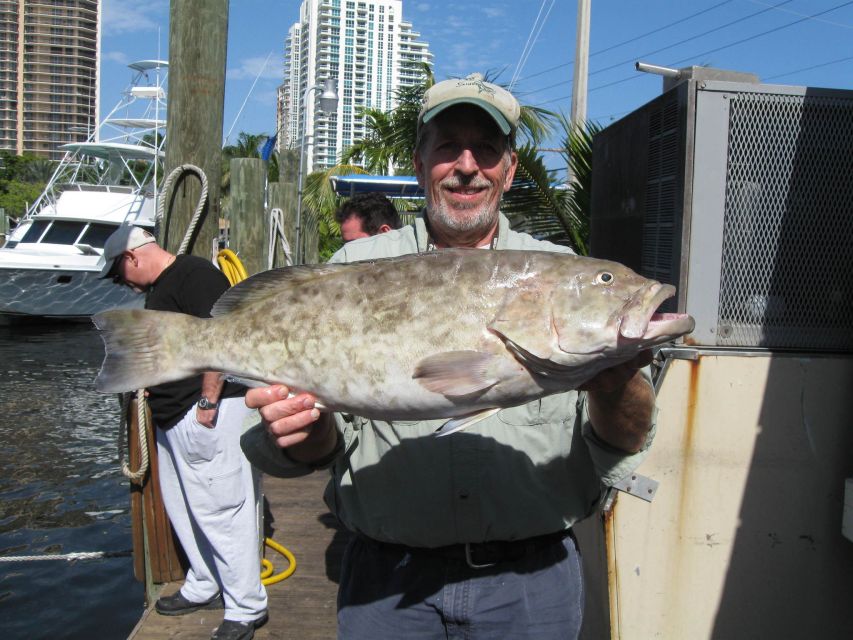
You can book morning, afternoon, or evening departure times, and the approach shifts with the light.
Daytime: Drift or anchor over reef structure
During day trips, expect drifting or anchoring over reefs, wrecks, and rock piles. The goal is to place your bait near where fish are feeding off the structure. The boat moves, positions adjust, and the crew keeps watch so you’re not just staring at water for four hours.
Night: Anchor up and chum for snapper and grouper
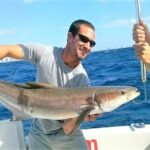
Night trips are built around anchoring and chumming—the crew creates a scent trail to draw in snapper and grouper. This is the kind of difference you can feel: instead of waiting for fish to find you, the trip tries to bring fish closer.
If you’re deciding between day and night, pick based on your vibe. Day trips tend to feel more straightforward and easy to watch. Night trips are more about the experience—lights, anticipation, and a plan that’s more aggressive in how it draws fish in.
What You Can Catch: From Kingfish to Grouper
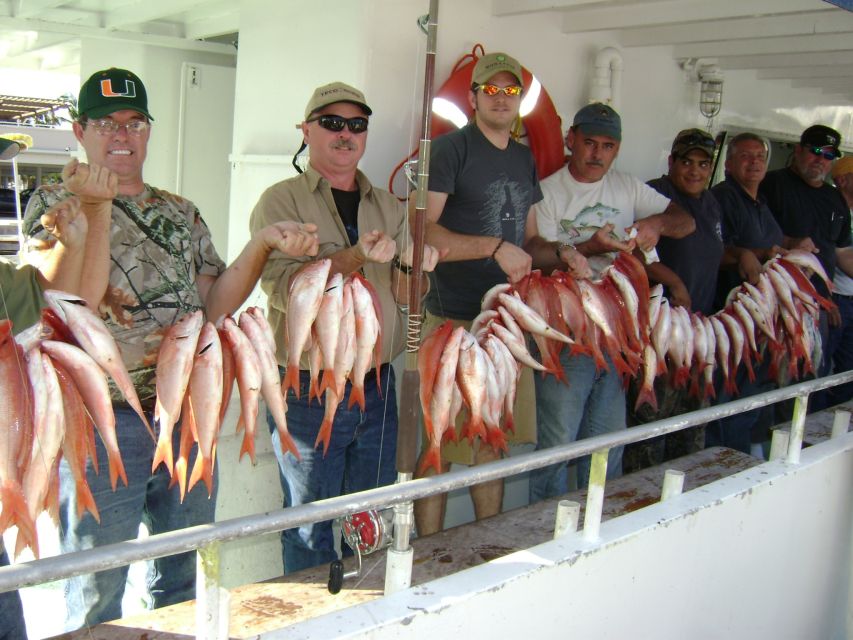
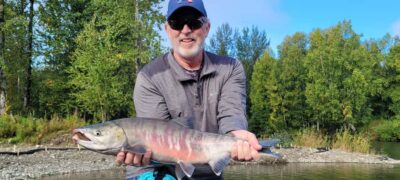
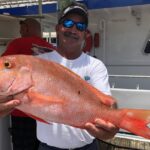
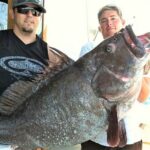
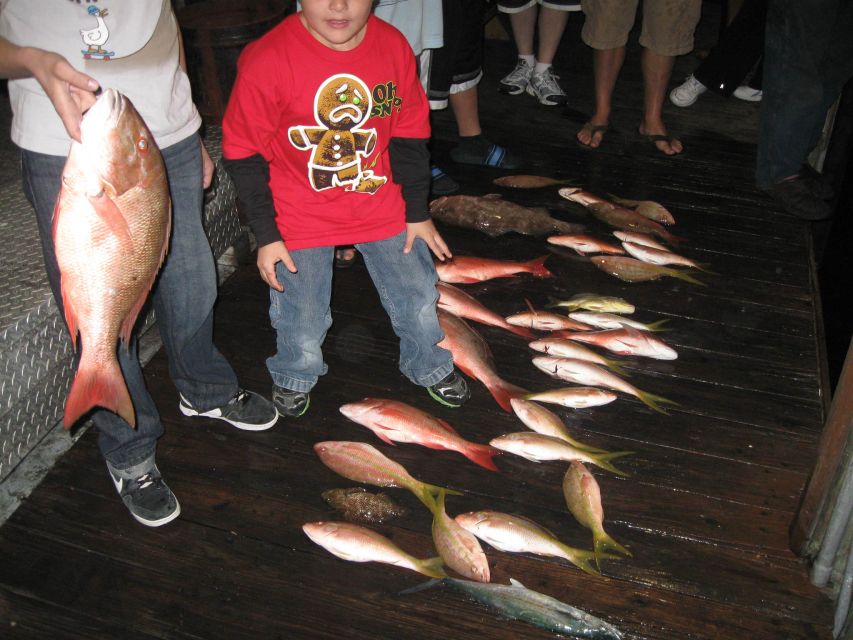
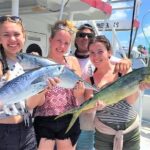
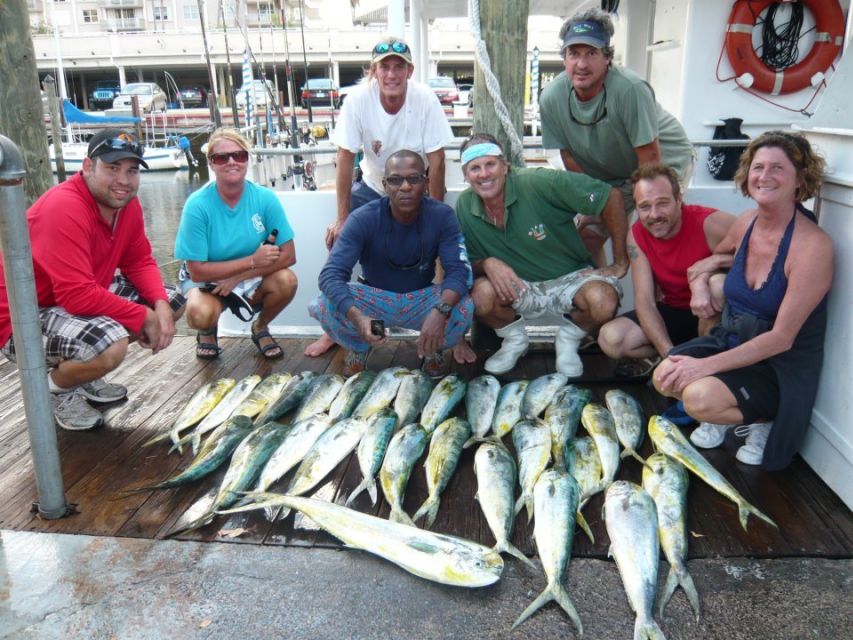
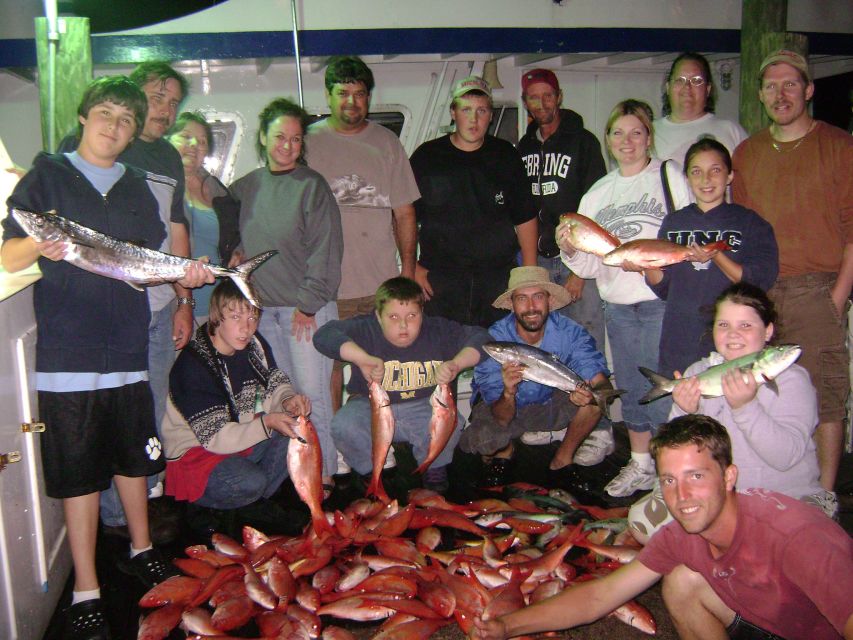
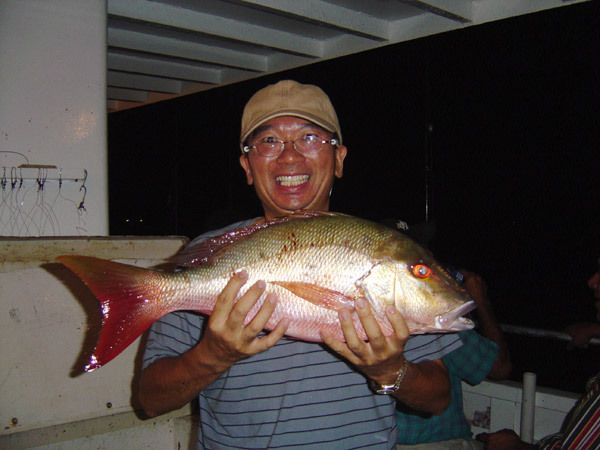
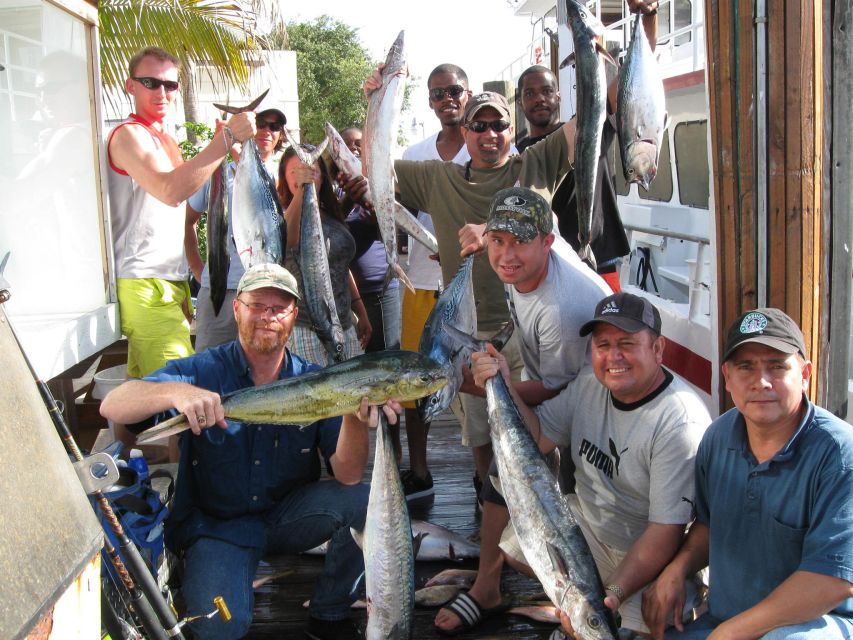
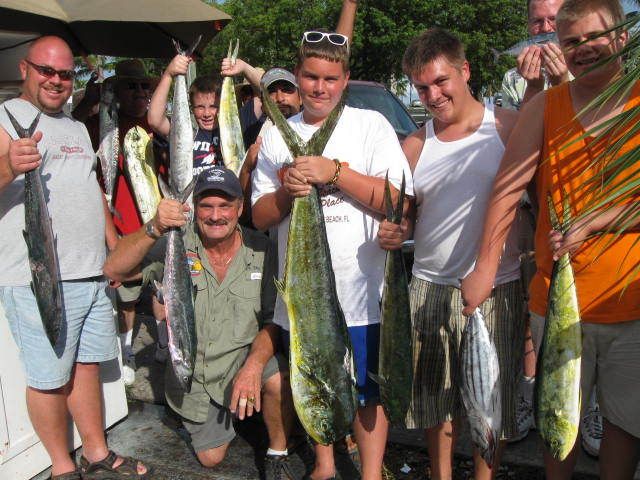
The fish targets read like a local seafood menu. You may go after kingfish, snappers, grouper, porgies, and jacks, plus whatever else is biting that day over the reef.
The catch list can include fish such as:
- snapper and grouper (and other bottom fish)
- kingfish
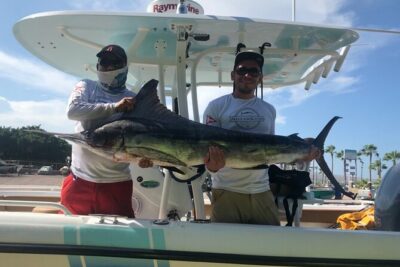
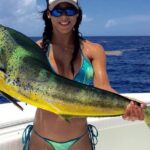
- tuna, mahi-mahi, and wahoo (when the action lines up)
Here’s the reality part that helps you set expectations: not every trip produces keepable fish. Some days you’ll catch several bites but end up with fish that are too small to keep. Other days, you’ll get a stronger mix. That’s normal offshore fishing, and the best way to stay happy is to treat it like a hands-on outing first—then let dinner be the bonus.
Also, if you’re hoping to take fish home, ask questions about what’s keepable and what to do with your catch. Some anglers have reported learning onboard that they could keep certain fish, and there’s often a nearby option to clean and cook. Don’t assume—check in while you’re out there.
How the Crew Turns “I Don’t Fish” Into Real Bites
A big reason this charter scores well is the way the crew runs the boat like a classroom with a fishing reel attached.
You’ll get rod-and-reel rental, and the crew stays involved with line setup and baiting. People have praised deckhands for things like:
- helping bait hooks quickly
- watching lines closely
- untangling issues as they happen
- taking fish off safely
- showing you what you caught and explaining it
This is especially helpful if you’re newer. The crew doesn’t just say good luck. They keep an eye on the details that matter—like keeping your bait in the right zone and helping you react when something hits.
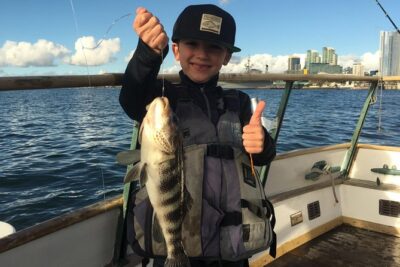
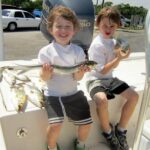
If you’re traveling with kids, this becomes even more valuable. There are light rigs for youngsters so they have a fair shot at catching snapper without wrestling gear that’s too heavy for smaller hands.
And if anyone in your group has mobility needs, it’s worth noting that the crew has worked to accommodate a wheelchair user and still focused on the fishing experience. It’s not just “come aboard,” it’s “how do we make this work for you.”
Gear, Bait, Licenses, and What’s Actually Included
One of the best value signals here is that the essentials are covered up front. The price includes:
- all bait
- tackle
- rod/reel rental
- fishing licenses
- coolers with ice
- assistance from the crew
That’s a big deal because these are exactly the items that often add up when you fish. If you’ve ever gone charter shopping, you know how many “fees” can pop up later. Here, the core equipment and legalities are already handled.
You still need to bring the personal stuff:
- sunglasses (polarized if you can)
- a hat and sunscreen
- a camera
- your food and drinks
The cooler and ice are a relief, too. It means you can pack a lunch or snacks without worrying about where the ice comes from.
Food, Water, and Seasickness: Your Day’s Comfort Checklist
This trip is four hours, which is short enough to be doable even for busy schedules—but long enough that comfort matters.
Bring your own food and drinks because you’ll be in saltwater country with no guarantee of onboard meals. People have also recommended practical habits like using the bathroom before boarding and bringing plenty of water. Florida sun and salt air can sneak up on you fast, and dehydration makes everything harder, including fishing.
If you’re worried about rough water, the boat is large and should handle typical coastal conditions well. Still, weather can change. On stormy or rough days, expect a higher chance of feeling motion. If you’re sensitive, consider packing motion-sickness medication in the same way you would for any boat day.
Price and Value: Why $85 Can Make Sense
At $85 per person for a 4-hour trip, this charter competes well when you compare what’s included. You’re not just buying access to a boat. You’re getting:
- gear rental
- bait and tackle
- licenses
- ice and coolers
- active coaching from the crew
If you compare that to the cost of renting gear, buying bait, and paying a charter for a smaller “instruction-only” experience, this starts to look like the more straightforward deal.
People also suggest that upgrading for a smaller group can improve the experience. That’s not surprising. Less crowding often means more space at the rail and more attention from the crew when baiting and line issues come up.
Who This Trip Is Best For
This drift fishing trip fits best when you want a real offshore fishing outing but don’t want a complicated planning headache.
It’s a great match for:
- families, because kids can use lighter rigs and the crew provides hands-on help
- beginners, because line watching and baiting support reduce frustration
- groups who want a fun social activity with a serious “try for fish” mindset
- anglers who enjoy the variety of bottom fishing and whatever else is biting that day
It’s less perfect if you’re expecting guaranteed keepable fish every single time. Fishing depends on the bite, and some outings are all about the fun of landing something—even if it’s not dinner-sized.
Tips to Maximize Your Chances (Without Stress)
Fishing success comes down to boring stuff done well. Here’s how to stack the odds:
- Arrive with sunscreen already on so you don’t get overwhelmed when you’re busy fishing.
- Keep your sunglasses ready. You’ll see more when you can spot what’s happening with your line.
- Pay attention during setup. The crew is there for a reason—take the help fast.
- If the bite is slow, stay engaged. The crew may adjust locations or techniques, and reacting quickly matters.
- When you catch fish, watch what the crew shows you. That’s part of why the trip feels like more than just catching.
Should You Book This Fort Lauderdale Drift Fishing Trip?
If you want a four-hour fishing experience that’s set up for actual participation—not just watching from the sidelines—this charter is a strong choice. The combo of an air-conditioned 85-foot boat, bait/tackle/rod rental, licenses included, and a crew that stays close enough to coach you makes it feel like good value rather than a gamble.
Book it if:
- you’re traveling with family or kids
- you want help as a beginner
- you like the idea of drifting and anchoring over real structure
- you’re open to trying day or night depending on your schedule
Skip it or temper expectations if:
- you only care about guaranteed keepable fish
- you get very motion-sick and don’t plan for that
- you hate the idea of bringing your own food and drinks
Bottom line: for most people, this is one of those Fort Lauderdale activities where the money turns into time fishing, not just time on a boat.
FAQ
How long is the Fort Lauderdale deep sea drift fishing trip?
The trip lasts 4 hours.
What is the price per person?
The price is $85 per person.
What time options are available?
You can book morning, afternoon, or evening fishing trips.
What fish are you hoping to catch?
The trip targets fish such as kingfish, snappers, grouper, porgies, and jacks, along with other species like tuna, mahi-mahi, and wahoo depending on what is biting.
How far offshore do you fish?
You fish about 1 mile off the coast, where the bottom drops quickly and depths can reach up to about 150 feet.
Is fishing gear and bait included?
Yes. The price includes rod and reel rental, bait, and tackle.
Are fishing licenses included?
Yes. Fishing licenses are included.
Do I need to bring food and drinks?
Yes. Food and drinks are not included, so you’ll need to bring your own. Coolers with ice are provided.
Where do we meet for the trip?
Meet at Fishing Headquarters, 301 Seabreeze Boulevard, Fort Lauderdale, FL 33316, next to the 7-Eleven, and check in at the small white ticket office labeled Deep Sea Fishing.
What should I bring for comfort?
Bring sunglasses, a hat, sunscreen, and a camera. Also bring any food and drinks you plan to consume during the trip.