REVIEW · CARTAGENA
Cartagena: Mangrove Eco Tour & Fishing with Transportation
Book on GetYourGuide →Operated by EXPERIENCES CARTAGENA · Bookable on GetYourGuide
Mangroves don’t sound like a Cartagena must-do—until you’re on the water in La Boquilla. This tour pairs a calm boat ride through the mangrove ecosystem with hands-on practice in traditional, sustainable fishing methods taught by local guides like Yeimy, Jamie, and Andres.
I especially like the way the guides connect nature and daily life. You get an explanation of how mangroves protect the coast, provide habitat, and act like a natural buffer against storms—then you see how local fishing traditions fit into that system.
One thing to plan for: the session is short and heat can be intense on the water (shade isn’t guaranteed). If you’re booking an afternoon agenda, keep buffer time, since timing can slide with real Cartagena traffic.
In This Review
- Key takeaways before you go
- Why the La Boquilla Mangroves feel like a different side of Cartagena
- Price and value: what $55 buys you in real-world time
- Getting picked up, then cooling down with that first natural drink
- The tour rhythm: what happens before and after the fishing lesson
- Mangroves 101 that actually connects to the coast
- The island stop: community life, animals, and a bit of showmanship
- Fishing with nets: hands-on, but with a sustainability mindset
- Drums and dancing: the cultural layer that makes this stick
- The view point stop: small, but worth the pause
- Transportation and timing: how to make the day fit
- Who this tour suits best (and who might want a different option)
- Should you book Cartagena Mangrove Eco Tour and Fishing with Transportation?
- FAQ
- How much is the Cartagena Mangrove Eco Tour & Fishing with Transportation?
- How long is the tour?
- Where does the tour take place?
- Does the tour include pickup and drop-off?
- What languages do the guides speak?
- Is entrance to Fisherman Island included?
- Do you actually learn fishing techniques?
- Is there any food or drink included?
- Is there cultural music or activities during the tour?
- What are the cancellation terms?
Key takeaways before you go
- Native bilingual guides who bring local know-how to both nature and fishing.
- Sustainable fishing practice with nets and traps, taught in a way that respects the resource.
- A welcome natural drink plus cultural moments like drums and dancing.
- A stop at Fisherman Island with an educational, community-focused feel.
- Small-boat pacing that keeps the experience relaxed rather than rushed.
Why the La Boquilla Mangroves feel like a different side of Cartagena
Cartagena is often about walls, forts, and busy streets. This experience trades that for a quieter world: dark-green mangrove channels, birds overhead, and a slower rhythm that’s almost like walking in a forest—just with your feet on a boat.
What makes it compelling is the mix. You’re not just “seeing” mangroves. You’re learning why they matter to people and to the shoreline, and you’re trying fishing techniques that have been used in the community for generations. Guides from the area (including people like Yamil and Enrique, mentioned in the guides and fisherman side of the experience) frame the mangroves as something you’re part of, not just something you pass by.
And the cultural side isn’t an afterthought. There’s drum music and at least one moment to dance and join the energy, led by the community’s musicians. It turns a nature trip into something you can remember with your whole body.
You can also read our reviews of more tours and experiences in Cartagena.
Price and value: what $55 buys you in real-world time
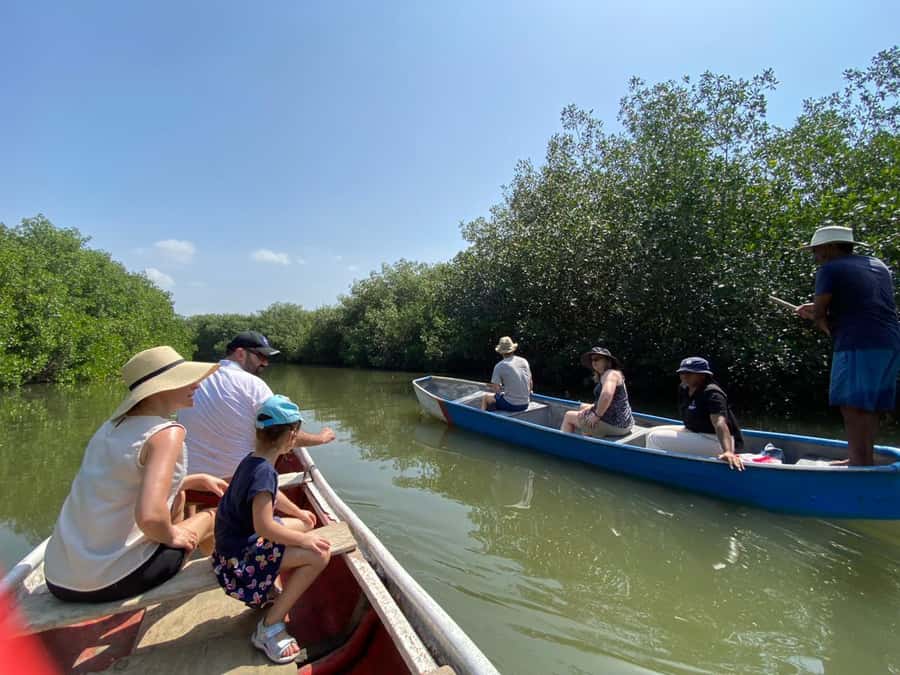
For about two hours, you’re paying roughly $55 per person, which sounds simple on paper. The real value is that the tour bundles several things you’d otherwise piece together: hotel pickup and drop-off, guided mangrove time, entrance to the Fisherman Island experience, a welcome beverage, and hands-on activities that include fishing and crab-related activity.
It’s also worth noting that the experience is designed to keep logistics from eating your day. If you don’t want to figure out where to meet (and where to find a ride back), the pickup/drop-off included is a big deal. Some people find the meeting point less convenient for taxis or public transit, so this is one of those “save yourself the headache” inclusions.
Getting picked up, then cooling down with that first natural drink
Your day starts with pickup around Cartagena. The exact start depends on where your hotel is, and the guides say they’ll pick you up 15 minutes before at your hotel and bring you to the starting point, which is usually close by.
Soon after arrival, you’re greeted with a 100% natural beverage. In practice, that’s a refreshment that helps you switch from city mode to mangrove mode quickly. Several people mention coconut water as the kind of drink served, and it’s one of those small touches that feels local rather than staged.
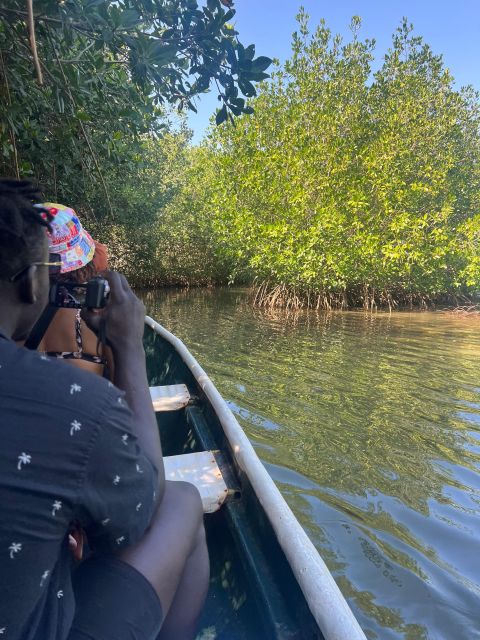
Then it’s onto the water. The pace stays light, and because this is a boat-based route, you get angles of the mangroves you can’t really recreate from shore. That matters: mangroves are easy to underestimate until you see how dense and expansive the channels are.
The tour rhythm: what happens before and after the fishing lesson
The flow of the experience is built like a story with three acts: ecological basics, community stop, then fishing practice—followed by a return to town.
You start with guided time in La Boquilla, including an introduction to the ecosystem. You get context for what you’re seeing: which plants and animals live there, and why that tangled web matters for survival along the coast. Then you continue to a natural island stop, where the guide explains community activities and flora/fauna in the area.
After that comes the hands-on part. You learn how to use nets and traps in an environmentally friendly way, including instruction on technique and how sustainable fishing works in this setting. The fishing activity isn’t framed as a thrill ride. It’s framed as skill and respect—what you do, why you do it, and how you avoid harming the ecosystem.
Finally, you get guided time at a view point before arriving back in Cartagena.
Mangroves 101 that actually connects to the coast
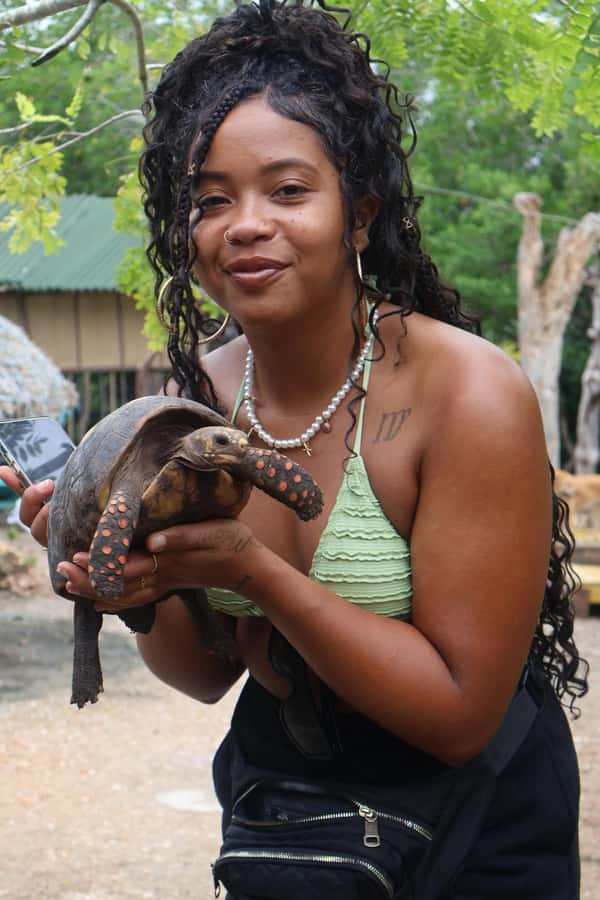
The ecological education is one of the strongest parts because it’s practical. The guides explain the biodiversity that lives in mangroves and why mangroves are fundamental to the local ecosystem.
You’ll also hear how mangroves help protect shorelines and mitigate the impact of extreme weather events—an especially relevant concept when you understand how storms can hit coastal cities. It’s not just “pretty nature.” It’s nature that works like infrastructure.
One bonus: as the guide talks, you can start “reading” the mangroves. You notice the structure of the plants, you spot where animals might hide, and you understand why the ecosystem is built for both saltwater and shelter. That’s the kind of learning that sticks.
The island stop: community life, animals, and a bit of showmanship
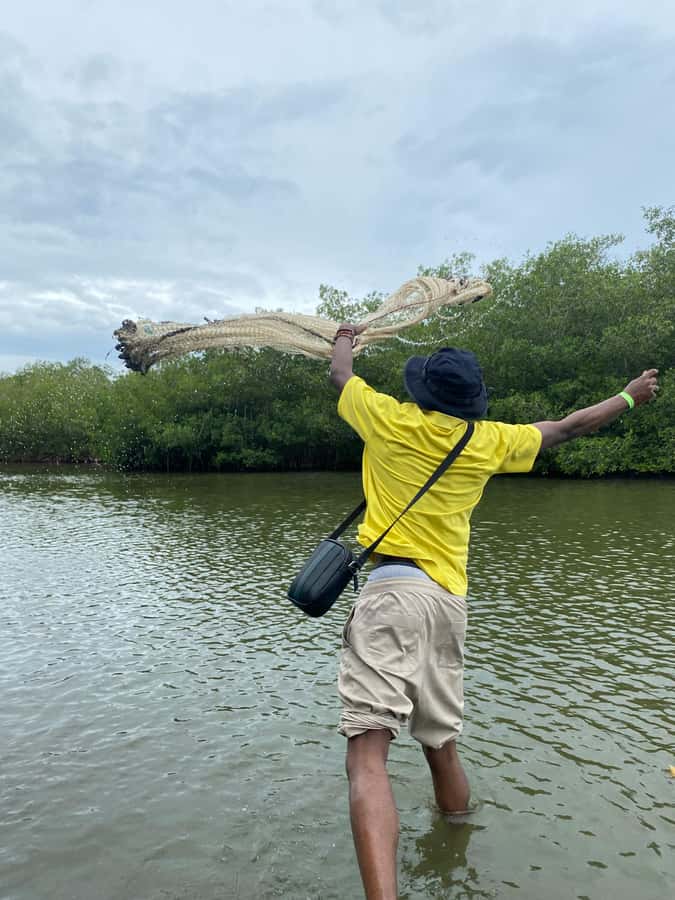
Mid-tour, there’s a stop at a natural island in the middle of the mangrove area. This is where the experience becomes more than science. You learn about community activities connected to the ecosystem and you get examples of flora and fauna you might not expect.
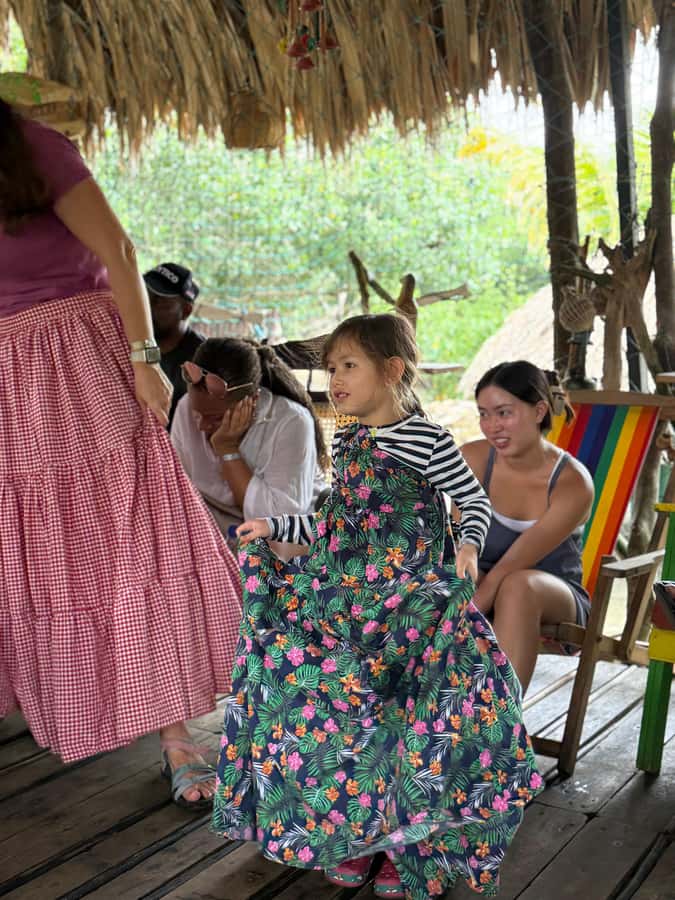
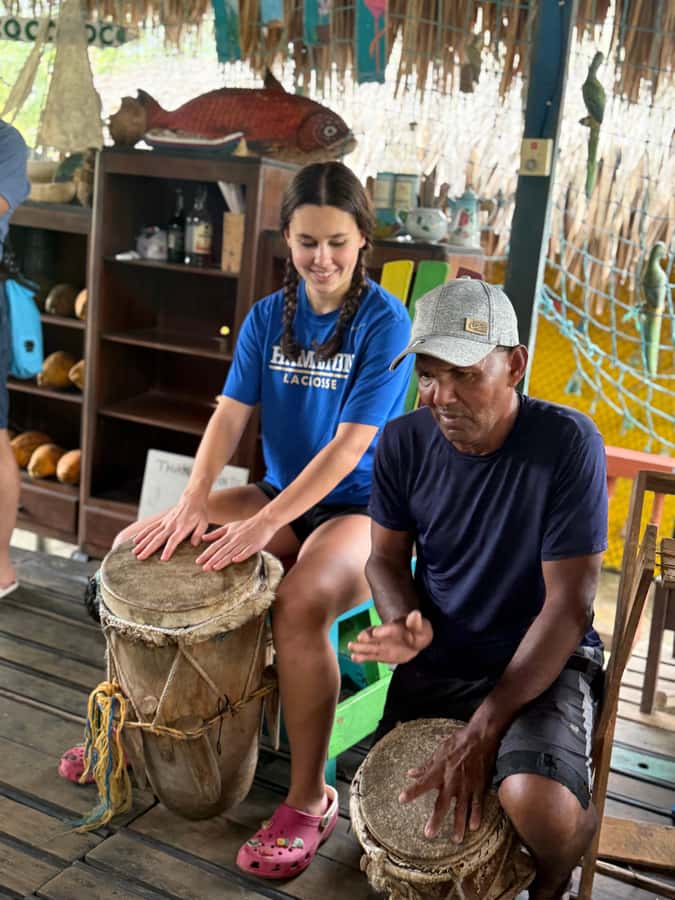
There are also cultural moments here. Several people mention music and drums, and at least one review highlights an unexpected dance component—nothing stiff, more like joining in and letting the guide lead. If you’re worried about this being staged, it’s usually handled as part of the community vibe: drums, rhythm, and a chance to participate without turning it into a performance you watch from the sidelines.
If you’re a wildlife-spotting person, keep your eyes up. People have reported seeing turtles and other animals during the trip. Even if you don’t see a turtle every time, the mangroves tend to feel alive—birds, small crabs, and the general sense that the ecosystem is doing its job quietly in the background.
Fishing with nets: hands-on, but with a sustainability mindset
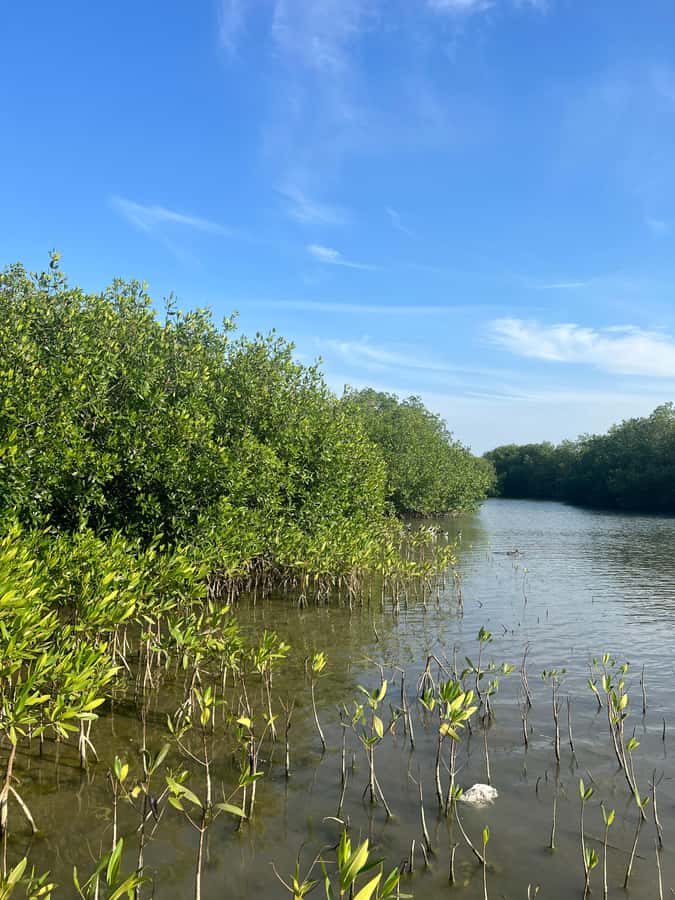
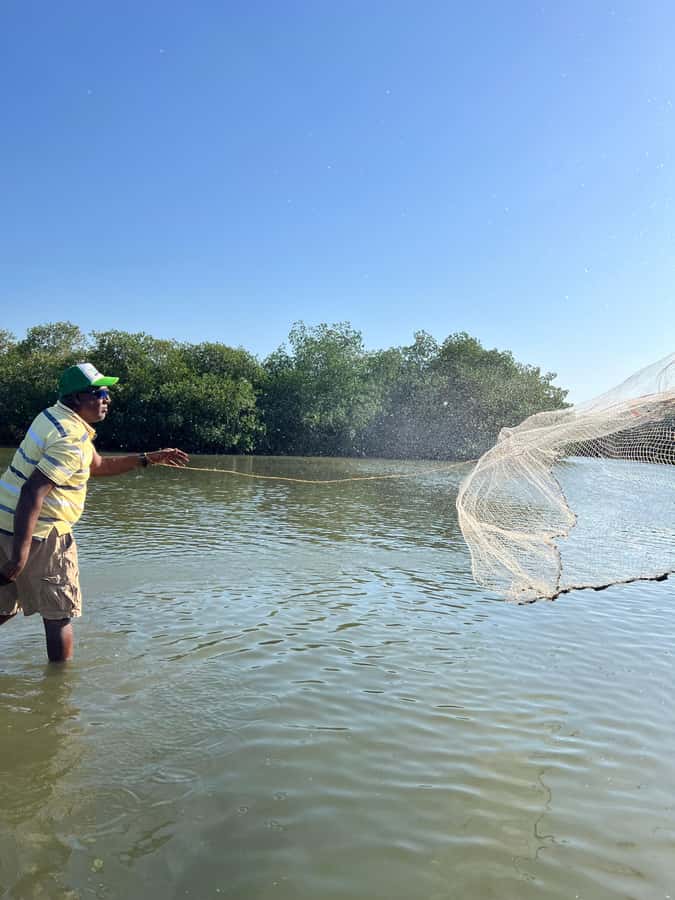
This is the part most people sign up for, and it’s more fun than it sounds. You get instruction on traditional fishing techniques used by the natives of La Boquilla, specifically how to use nets and traps in an environmentally friendly way.
Then you try it. Casting a net or setting up your technique is harder than you think—especially at a boat angle and with a group watching (it’s okay if you’re clumsy at first). The guide’s job isn’t to grade you. It’s to teach the method and show you how locals fish without treating the mangroves like a grab-bag.
In some cases, you may also do an artisanal crab and fish fishing activity as part of the experience. Even when you don’t catch something immediately, the process teaches you how locals interpret the ecosystem—where fishing happens, how timing and care matter, and why sustainable habits matter.
And if you get a guide like Camil (master fisherman) or Enrique (from the fisherman island side, based on guide/fisherman names shared in the experience), you’ll likely feel the “we’ve done this forever” confidence in the way they explain technique. It adds authenticity because you’re not learning from a lecture. You’re learning from the people who use the knowledge daily.
Drums and dancing: the cultural layer that makes this stick
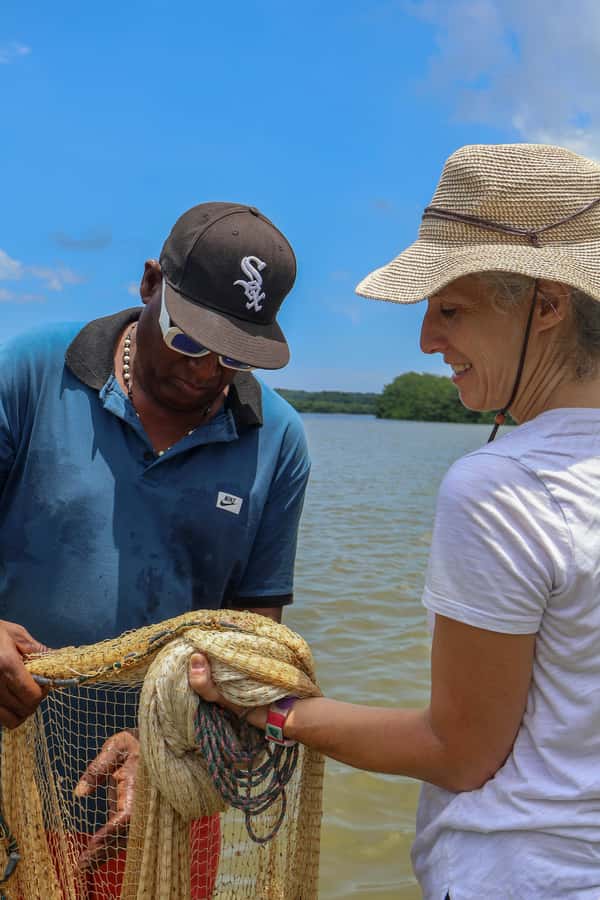
I like that the cultural part isn’t an add-on you’d skip if you were only here for nature. It’s woven into the flow. There’s a cultural sampling of drums, and you may also get a chance to dance or join in with the musicians.
This matters for value because it changes how you experience the community. It’s not just a photo stop. It’s a brief contact moment—music, rhythm, and the energy of the group around you.
If you’re traveling with kids, this is one of those “wait, we’re doing what?” moments. Reviews include family-friendly praise, and it makes sense: children often love interactive parts like trying fishing technique and joining music/dance moments more than long explanations.
The view point stop: small, but worth the pause
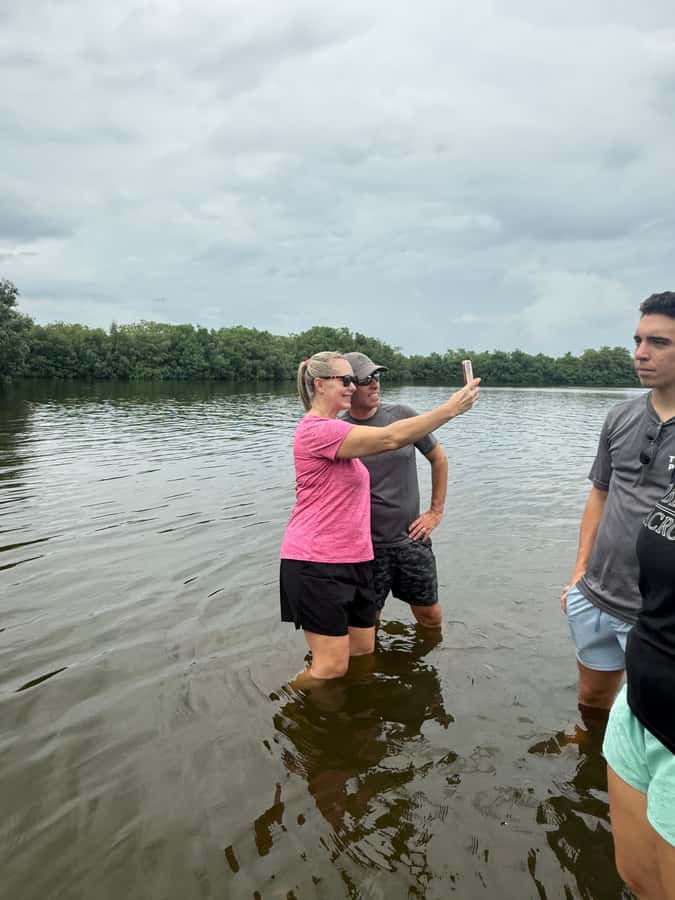
Between activities, there’s guided time at a view point. This is less about action and more about letting the mangrove landscape reset your brain.
On a boat tour, you can get tunnel vision—water, plants, your hands practicing net casts. A view point is a chance to widen your perspective and realize this ecosystem stretches far beyond the immediate channels you’re riding through.
Transportation and timing: how to make the day fit
Hotel pickup and drop-off are included, which is a practical win if you don’t want to rely on taxis after a wet, warm boat ride.
Still, do plan with some slack. One common real-world note is that returning can run later if traffic or timing shifts. If your dinner reservations are strict, give yourself buffer time.
Also, bring a mindset for heat. People note intense warmth and that not all of the boat route is shaded. If you’re sensitive to sun or humidity, consider planning an earlier start time when you can. Some guides and guests specifically recommend the morning for comfort.
Who this tour suits best (and who might want a different option)
This is ideal if you want authentic local culture mixed with hands-on nature learning. It’s also great for people who like practical activities: trying nets, learning how technique works, and hearing how sustainability shows up in real daily work.
You’ll probably enjoy it even if you’re not an avid fisherman, because the experience is structured as teaching. The vibe stays friendly, and the guides do a lot to keep energy up while still explaining the ecosystem.
If you hate any chance of getting sun on you, or you only want a “sit and watch” experience with zero physical interaction, you might find the net-casting and fishing parts a bit too active. Similarly, if you want a longer excursion, two hours may feel short—though it’s also why the tour fits neatly into a tight Cartagena schedule.
Should you book Cartagena Mangrove Eco Tour and Fishing with Transportation?
I’d book it if you want one of the most meaningful ways to get out of the city center and into a living ecosystem. The tour earns its cost by combining guided ecology, community-run activities, and actual hands-on fishing technique—plus cultural moments like drums that make the community feel present, not distant.
If you’re unsure, use this checklist:
- You want La Boquilla and mangroves, not just the old-town highlights.
- You’re open to trying net or trap technique even if you’re not “good at fishing.”
- You’d rather have transportation handled than wrestle with meeting points and rides back.
If that sounds like you, this is one of those tours that changes how you see Cartagena—not by adding another landmark, but by showing you what’s living just offshore and how local people care for it.
FAQ
How much is the Cartagena Mangrove Eco Tour & Fishing with Transportation?
The price is $55 per person.
How long is the tour?
The tour lasts about 2 hours.
Where does the tour take place?
It focuses on the mangroves of La Boquilla, which is about 15 minutes from Cartagena’s historic center (in the Bolívar area).
Does the tour include pickup and drop-off?
Yes. Pickup and drop-off around the city are included, and you’ll be collected about 15 minutes before the starting point.
What languages do the guides speak?
The tour is guided in English and Spanish.
Is entrance to Fisherman Island included?
Yes, entrance to the Fisherman Island is included.
Do you actually learn fishing techniques?
Yes. You learn traditional fishing techniques and how to use nets and traps in an environmentally friendly, sustainable way.
Is there any food or drink included?
Yes. You receive a welcome natural beverage at the start of the experience.
Is there cultural music or activities during the tour?
Yes. There is cultural sampling of drums, and the experience includes community activities such as music and dancing.
What are the cancellation terms?
Free cancellation is available up to 24 hours in advance for a full refund.