REVIEW · CARTAGENA
Typical lunch on beach, mangrove tour & fishing with natives
Book on GetYourGuide →Operated by EXPERIENCES CARTAGENA · Bookable on GetYourGuide
Mangroves feel different when locals steer the boat. This native-led mangrove tour mixes nature education with hands-on fishing in the Cartagena area, starting with a warm community welcome and a 100% natural coconut. What makes it especially compelling is the bilingual guide approach and the way the ecosystem gets explained by people who live with it.
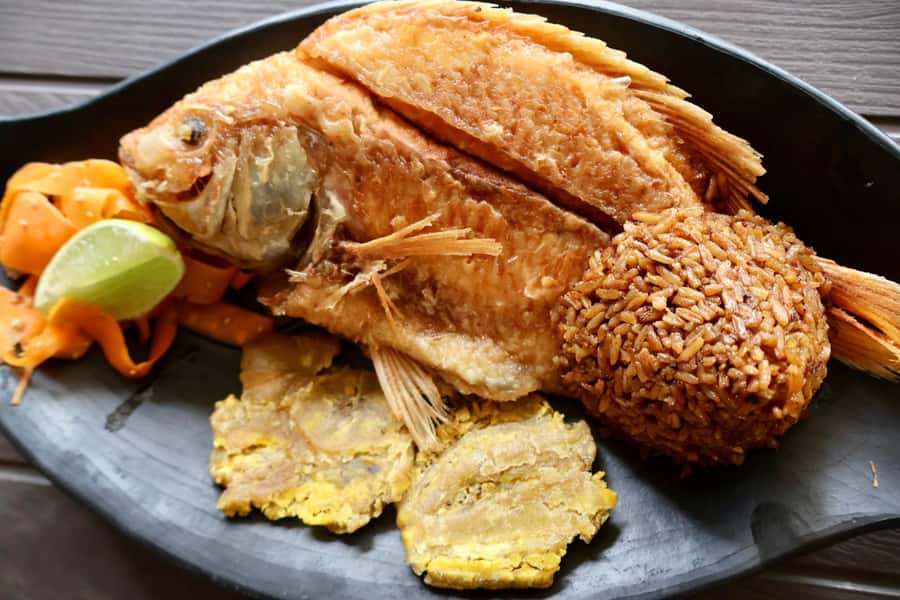
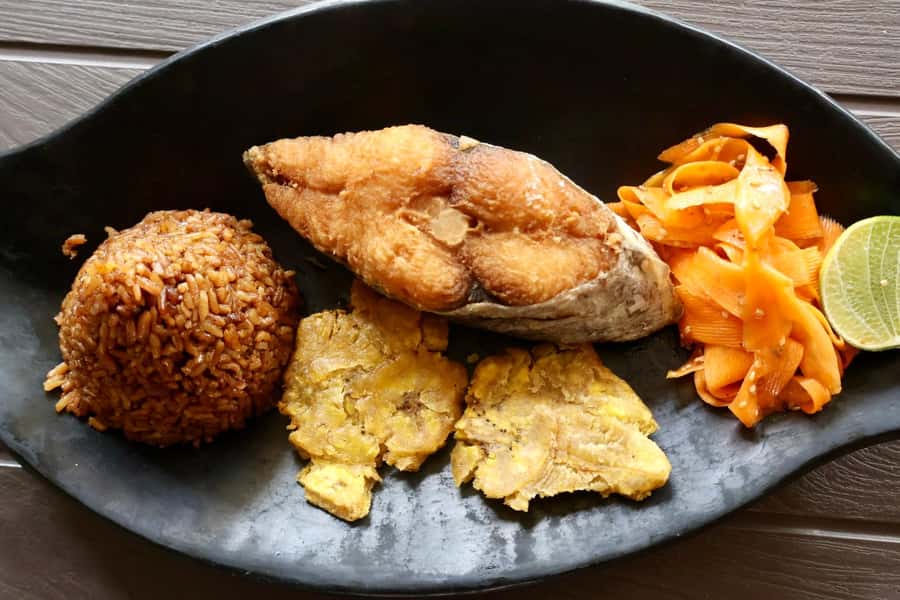
I like the food part a lot: lunch is cooked in an artisanal way by native women, served with an ocean-front view and a full spread that goes way beyond a quick snack. You’re looking at fried fish, coconut rice, patacones, salad, fish soup, plus a drink included, and it’s paired with time to relax on the beach afterward.
One consideration: this experience isn’t suitable for people with mobility impairments.
In This Review
- Key highlights to know before you go
- Getting to the sea-facing community in about 20 minutes
- Mangroves with a native bilingual guide (and a real sense of place)
- Why this mangrove tour feels different
- Fisherman Island: the middle-of-the-mangroves stop
- A note on what not to expect here
- Artisanal fishing: learn the technique, then try it yourself
- What to bring in your head
- Lunch at 12:30: beachfront cooking that tastes like the coast
- A practical tip for lunch
- Drums, culture, and that calm after the work is done
- Price and value: is $84 per person fair?
- Who should book this mangrove and fishing lunch tour?
- Should you book it?
- FAQ
- How long is the tour?
- What’s included in the lunch?
- Is pickup and drop-off included?
- What languages does the guide speak?
- Is there fishing during the tour?
- Is this tour suitable for people with mobility impairments?
Key highlights to know before you go
- 100% natural coconut and a real welcome when you arrive at the sea-facing community
- Mangroves explained by locals, with narration about the ecosystem’s role
- Fisherman Island (Isla de los pescadores) in the middle of the mangroves, where local species live
- Artisanal fishing participation using nets and crab fishing methods
- Drums and cultural sampling, with music that’s more than background noise
- Beachfront lunch at 12:30, including fried fish, coconut rice, patacones, salad, fish soup, and a drink
Getting to the sea-facing community in about 20 minutes
This starts with hotel pickup and a relatively short transfer—about 20 minutes—before you reach the Afro-descendant community north of the city. The pace is friendly right away: you arrive at the sea, get a coconut, and you’re greeted warmly before anyone talks schedule or logistics.
That matters, because the tour isn’t built like a production line. You’re not dropped off with a leaflet and pointed at the water. Instead, you’re brought into the setting first, then the day unfolds: mangroves, a local-built island, fishing practice, lunch, and finally a calm stretch on the beach.
If you’re doing this from a cruise, plan for extra walking inside the port area to reach the meeting point. One practical tip: give yourself about 15 extra minutes for that walk so you’re not stressed while coordinating with the local team.
You can also read our reviews of more tours and experiences in Cartagena.

Mangroves with a native bilingual guide (and a real sense of place)
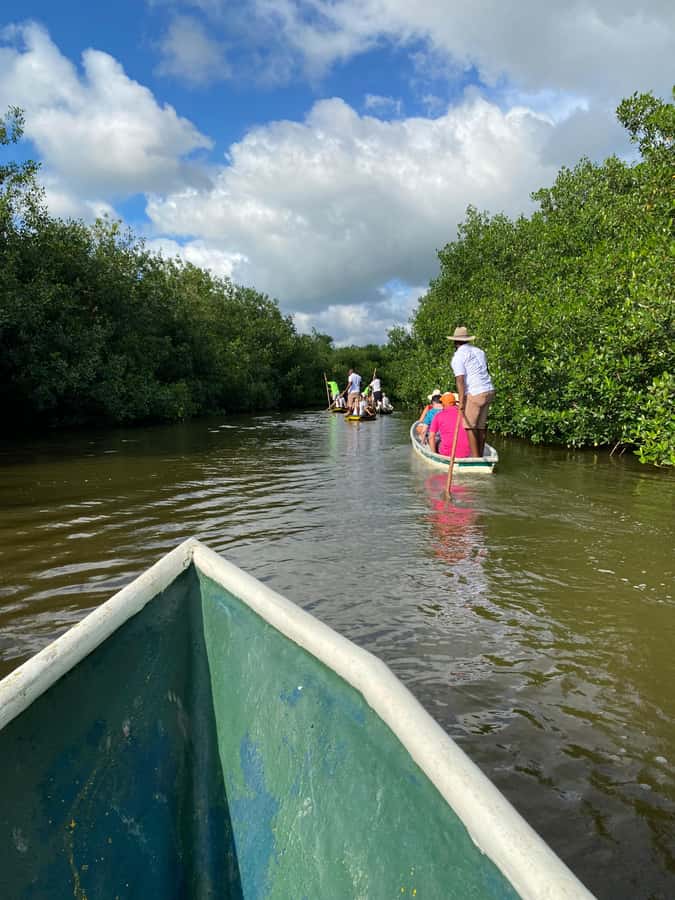
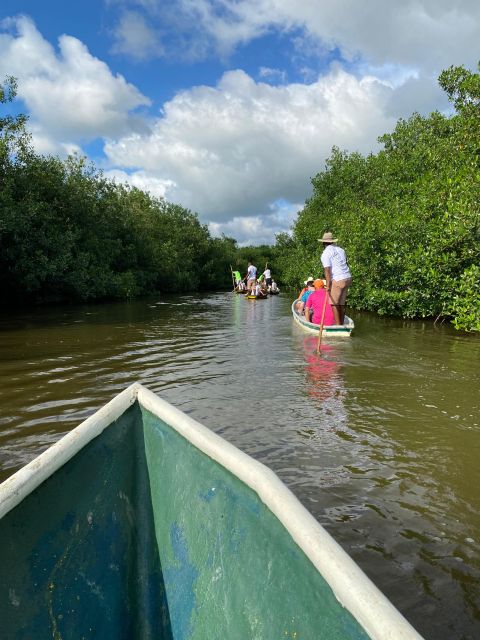
The mangrove portion is the heart of the experience. You’ll move through natural mangroves while you learn their history and how the ecosystem works—storytelling led by native residents rather than a scripted museum-style talk. You also get the kind of viewing that makes sense for mangroves: birds, roots, channels, and the in-between spaces that you’d miss if you only looked at the open water.
Guides you might meet—based on prior visitors—include bilingual hosts like Jamie or Yeimy, and other English-strong local experts. The common thread is that they don’t treat mangroves as scenery. They frame them as a living system that supports species, shelters coastlines, and shapes everyday fishing life.
Why this mangrove tour feels different
Mangroves aren’t just pretty. They’re coastal protection, nurseries for marine life, and working ecosystems. When the explanation comes from locals, the science comes with practical context—how people read tides, where certain fish or crabs come from, and why the mangrove structure matters for survival on the water.
Also, the experience is intentionally paced. If you’re expecting a speedboat and constant hopping to photo stops, you may find this more relaxed, built for listening and learning.
Fisherman Island: the middle-of-the-mangroves stop
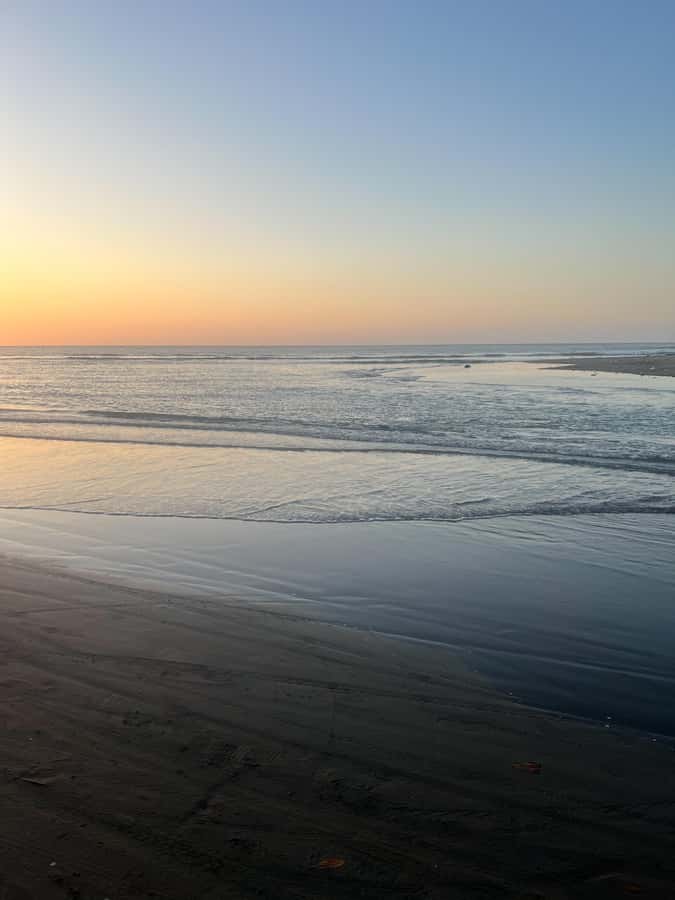
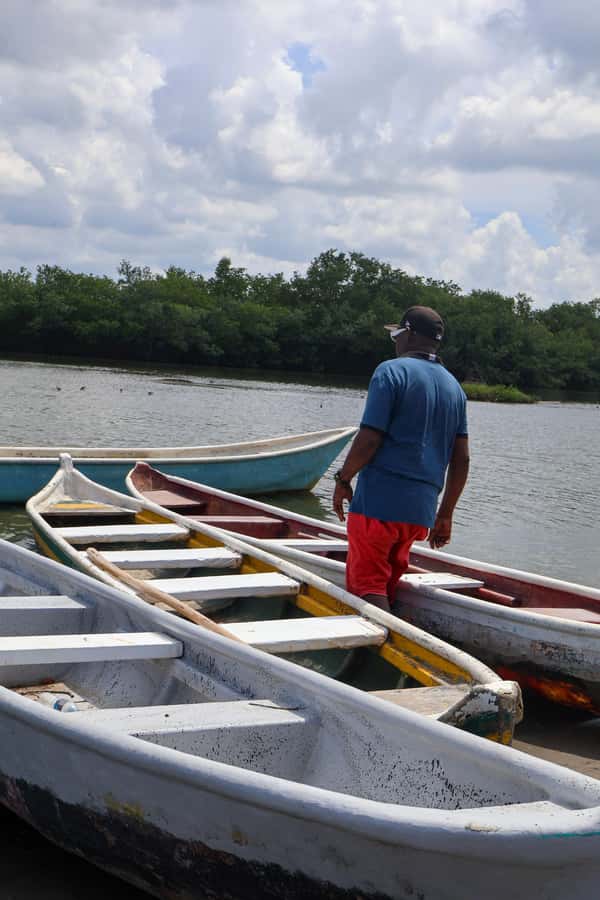
After the canoe/boat movement through the mangroves, you visit an island built by natives located in the middle of the mangrove channels. This stop is called Fisherman Island, and it’s where different species live—so you’re not just hearing about habitat. You’re seeing the environment in the place where people fish and live with it.
This is also the moment where the tour turns cultural. You may encounter music and local community touches like drum players and community greetings. Some bookings describe lively cumbia and merengue moments, plus a warm welcome that turns the visit from sightseeing into participation-by-feel, even if you’re not dancing yourself.
If you enjoy experiences that feel socially connected—small moments with real people rather than a checklist—this island stop tends to hit that mark.
A note on what not to expect here
This isn’t the style of tour that promises guaranteed big catches. The fishing is a demonstration and a hands-on activity, which means you learn the methods and rhythms of local fishing, not that the day will turn into a nonstop haul of fish.
Artisanal fishing: learn the technique, then try it yourself
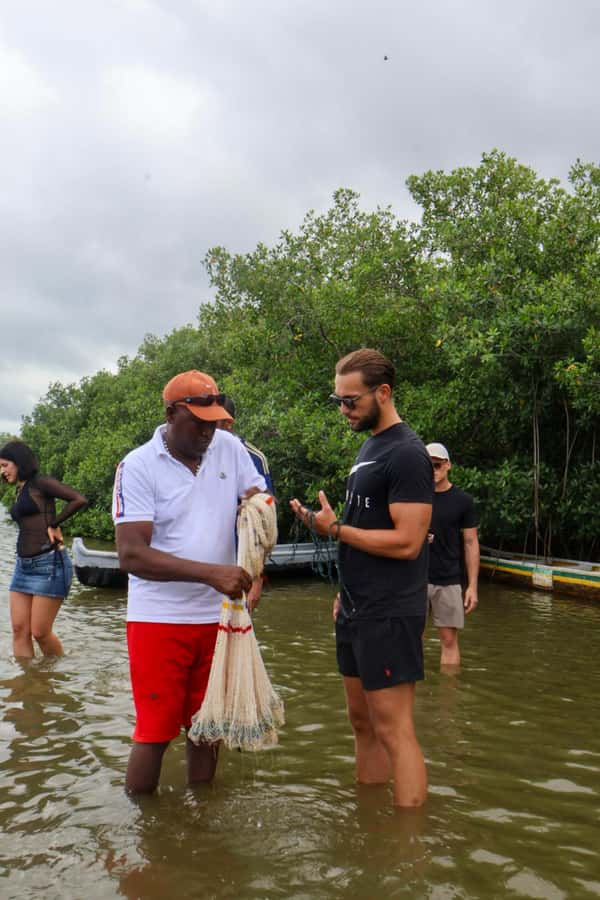
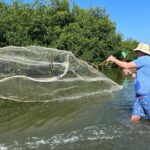
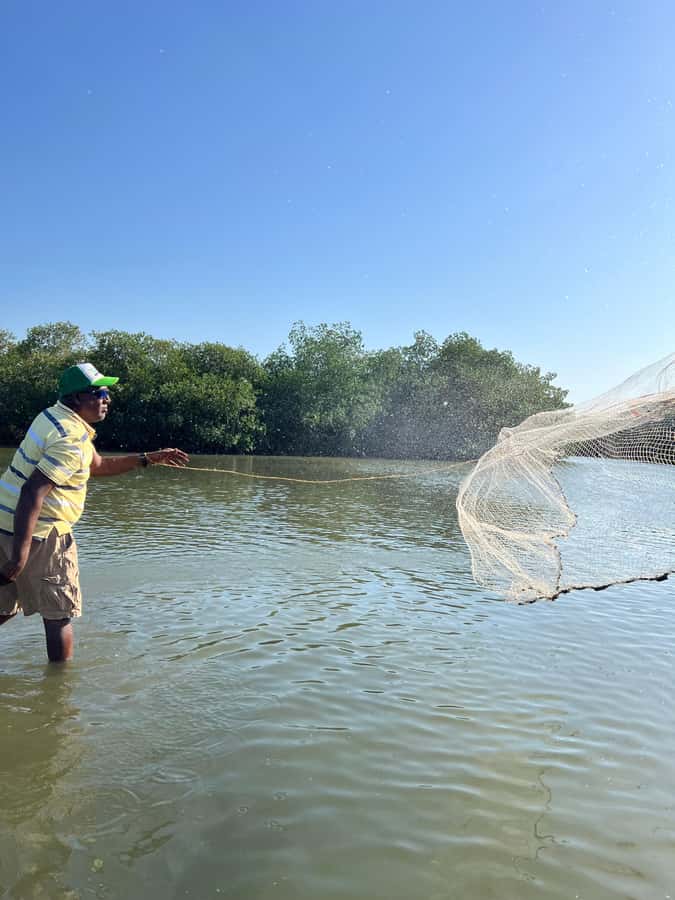
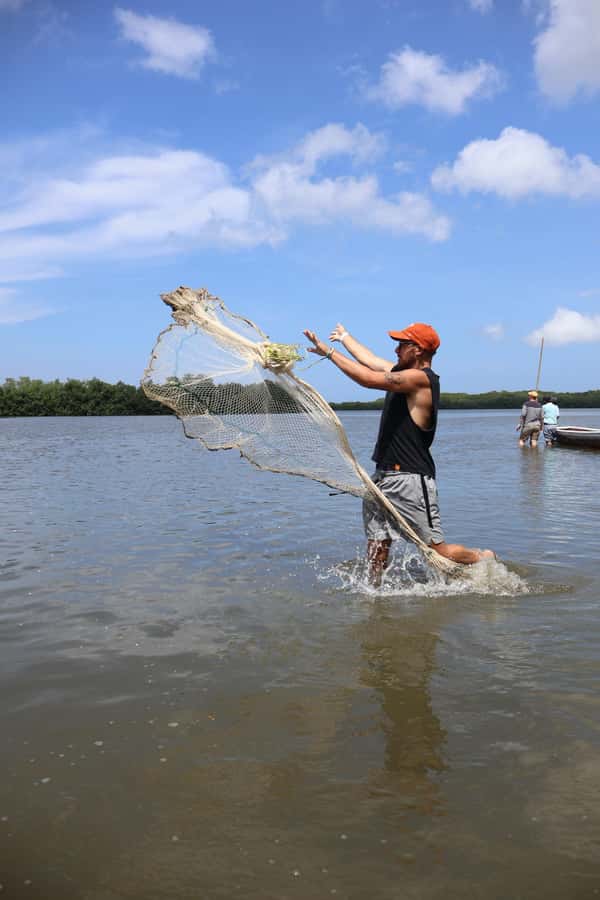
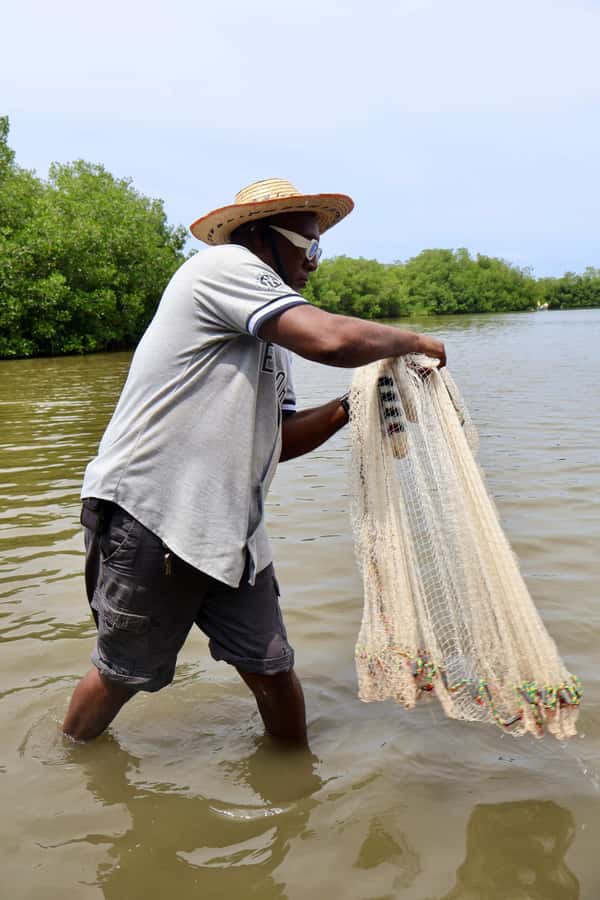
In the mangrove waterways, you’ll see artisanal fishing in action and get the chance to participate. The tour includes an activity focused on artisanal crab and fish fishing, and in practice that often means learning how to cast or throw nets and how crab-catching setups are used (including crab pot-style methods mentioned by past participants).
This part is fun for people who like active learning. You’re not just watching from the edge—you’re shown the approach, then you practice. If you learn fast, you get more confidence quickly. If it takes you a few tries, no problem. The whole point is learning a local technique, not performing for a camera.
Some participants specifically mention learning how to throw fishing nets and setting crabpots, and they describe the local fisherman vibe as relaxed and natural—like this is simply how the day works.
What to bring in your head
Go in expecting:
- short instruction moments
- a chance to try the gear yourself
- laughs when technique doesn’t match the first throw
That mindset keeps the experience enjoyable, because fishing in mangroves is about feel and timing as much as strength.
Lunch at 12:30: beachfront cooking that tastes like the coast
At 12:30, lunch is served at a traditional restaurant in front of the sea. This is where the value of the tour becomes obvious: the meal isn’t a “you’ll get something” deal. It’s a full spread designed to satisfy after morning activity.
You can expect:
- fried fish
- coconut rice
- patacones (fried plantain)
- salad
- fish soup
- a drink included
It’s also described as cooked by native women in an artisanal way. That’s a key phrase because it usually means fewer shortcuts and a more home-to-community style. The flavors are meant to come from local choices rather than international menu thinking.
A practical tip for lunch
Save room. Several past participants mention it’s a large meal, and you’ll likely be ready for it after time on the water. If you’re the type who tends to snack lightly, this is still worth showing up hungry.
Drums, culture, and that calm after the work is done
After the mangrove and fishing parts, you’re not rushed straight back into the city. You get time to enjoy the beach and submerge in the water, switching gears from hands-on learning to slow downtime. That end segment is important because it helps you absorb the experience rather than treating it like another ticking-clock activity.
Cultural sampling of drums is included, and in practice it can feel like a mini “community moment” rather than a separate performance. Some bookings mention dancing—like cumbia or merengue—so if you enjoy music-driven fun, this will likely feel warmer than you expect.
If you’re traveling with family, this calm-to-active rhythm can work well: kids often find the nature and water parts engaging, while adults enjoy the cultural tone and food.
Price and value: is $84 per person fair?
At $84 per person for about 4 hours, this is one of those prices that makes sense when you break down what’s included. You get:
- hotel pickup and drop-off
- a native bilingual guide
- mangrove tour and entrance tied to Fisherman Island
- cultural sampling of drums
- artisanal crab/fish fishing participation
- welcome coconut drink
- a full lunch with multiple dishes and drink included
The value isn’t just the price tag. It’s the blend. Many tours sell one theme—nature or food or culture. Here, you’re paying for a connected morning: ecosystem understanding, local fishing practice, then a proper meal, then beach time.
You’re also supporting a day that’s tied to local livelihoods and community hosting, not a floating resort-style day where most of the money stays inside a commercial bubble.
Who should book this mangrove and fishing lunch tour?
This tour fits best if you:
- like nature that connects to real human life
- enjoy hands-on activities (even if you’re not a pro at fishing)
- want a strong local lunch rather than a generic “tour meal”
- appreciate small community-based cultural touches like drums
It’s also a good option for people who get tired of overly crowded, purely commercial island days. The experience feels more personal and community-oriented, with a strong focus on environment and local methods.
If you want guaranteed fishing success or a nonstop adrenaline schedule, you might be happier choosing a different style of water tour. But if you want learning, participation, and a satisfying meal afterward, this is a strong match.
Should you book it?
I’d book this if your ideal Cartagena-area day includes mangroves, native storytelling, hands-on fishing practice, and a real beachfront lunch. It’s also a smart choice when you want something more grounded than a standard island package.
Skip it only if you need accessibility support for mobility impairments, because the tour isn’t suitable in that case. If you can handle short transfers and a day moving around water settings, this is one of the better ways to spend a few hours along Colombia’s coastal mangrove belt.
FAQ
How long is the tour?
The experience runs for about 4 hours.
What’s included in the lunch?
Lunch includes fried fish, coconut rice, patacones, salad, fish soup, and a drink.
Is pickup and drop-off included?
Yes. Pickup and drop-off are included, using safe and reliable drivers.
What languages does the guide speak?
The guide and materials are available in English and Spanish.
Is there fishing during the tour?
Yes. There’s an artisanal crab and fish fishing activity, with a demonstration and the chance for you to participate.
Is this tour suitable for people with mobility impairments?
No. It’s not suitable for people with mobility impairments.