REVIEW · HANOI
Vietnam Fishing village photography tours
Book on Viator →Operated by Momentlives Photography tours · Bookable on Viator
Sunrise here turns ordinary work into art. This 2-day Vietnam fishing village photography tour from Hanoi is built for real light and real action, from early morning returns to late-day scenes—so you can chase low-light portraits and sharp storytelling details. You also travel with a small group (up to 6), with Momentlives guide Hoa focused on keeping you in the right place at the right time.
I especially like how much of the fishing workflow you can photograph, not just the boats: women sorting seafood by the beach, the long nets being handled in sections, and the stilt fishers working near the waterline. The possible drawback is physical: you’ll want moderate fitness for walking and standing on uneven beach ground, and the tour depends on good weather.
In This Review
- Key highlights at a glance
- Nam Dinh Beach: Why This Place Feels Made for Photos
- Sunrise-to-Sunset Photo Timing: Portraits, Low Light, and Storytelling
- The Fishing Workflow You’ll Want to Photograph (Not Just the Boats)
- Fishing Tools and Salt-Making: How to Turn Texture Into a Photo Story
- Afternoon Boat and Net Repairs: The Candid Side of Working Life
- Small Group Size, Pickup, and AC Transport: Why It Matters for Your Photos
- What the 2-Day Rhythm Really Does for You
- Meals and Accommodation: Less Guesswork, More Shooting Time
- Value Check: Is $408 Worth It for a 2-Day Photo Tour?
- Who This Tour Fits Best (And Who Might Want to Think Twice)
- How to Prepare Your Camera and Your Day
- Should You Book This Vietnam Fishing Village Photography Tour?
- FAQ
- FAQ
- Where is the tour located?
- How much does the Vietnam fishing village photography tour cost?
- How long is the tour?
- What time does the tour start?
- Is pickup offered?
- What is the group size limit?
- What meals are included?
- Is accommodation included?
- Will I get a mobile ticket?
- What about weather, fitness, and cancellations?
Key highlights at a glance
- Sunrise-to-sunset shooting time for portraits, low-light frames, and composition practice
- Nam Dinh beach action: boats coming in, seafood sorting, and net work in long stretches
- Fishing tools as subjects—traditional gear and working methods, up close
- Salt-making process photography time with step-by-step visuals and texture-rich work
- Afternoon boat and net repairs for candid, everyday details
- Max 6-person group plus pickup, AC vehicle transport, and included lodging for the night
Nam Dinh Beach: Why This Place Feels Made for Photos
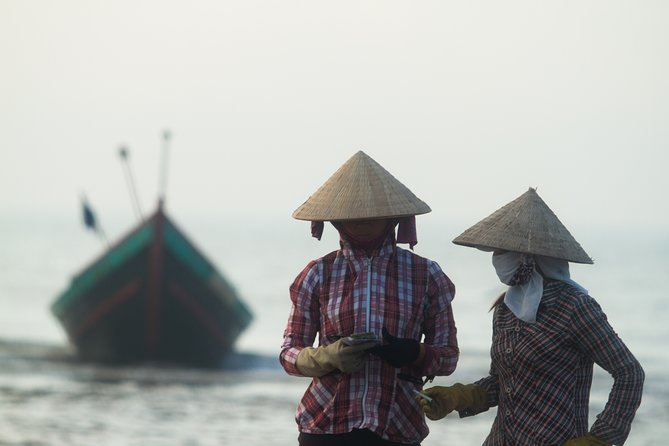
You’re headed to the Nam Dinh beach area, and that matters because fishing isn’t staged. It’s routine. When hundreds of boats return after a night out, the beach becomes a moving set: people pulling in boats, seafood getting handled fast, and buyers meeting the catch right where it lands.
What I like is that the visuals aren’t just “pretty.” They’re useful for your camera. You’ll have wide scenes (boats, nets, the whole working coast) plus close-up opportunities (hands, tools, sorting trays, textures of equipment). That mix is exactly what turns snapshots into photo stories.
You’ll also be photographing people in the middle of work—sorting, selling, repairing, scooping small fish. That gives your images weight. Even if your goal is something as simple as better portraits, you get the context right in frame: this is what their day looks like.
You can also read our reviews of more tours and experiences in Hanoi.


Sunrise-to-Sunset Photo Timing: Portraits, Low Light, and Storytelling
The plan’s built around shooting from sunrise to sunset, and it changes everything about what you can create. Early morning gives soft, directional light that flatters faces and brings out texture in nets and tools. Later in the day, the contrast rises, so you can emphasize shapes: boat hulls, ropes, net patterns, and the rhythm of hands working.
You’ll get portrait opportunities too, because the scene has natural human beats. For example:
- When husbands are busy pulling boats ashore, women take over the catch and sorting.
- Buyers transport the seafood to town, so you can frame movement and purpose.
- Fishing groups spread huge nets that require teams—long, organized effort you can shoot like a process sequence.
If you care about composition, this tour gives you enough time to try. You can start with a wider establishing frame, then work your way into details. The best part is you’re not forced to race between locations; you’re allowed to wait for the working rhythm to click.
Practical note: since you’re working across daylight, bring gear you can handle in changing light—especially if you’re the type who likes to switch quickly between portraits and tool close-ups.
The Fishing Workflow You’ll Want to Photograph (Not Just the Boats)
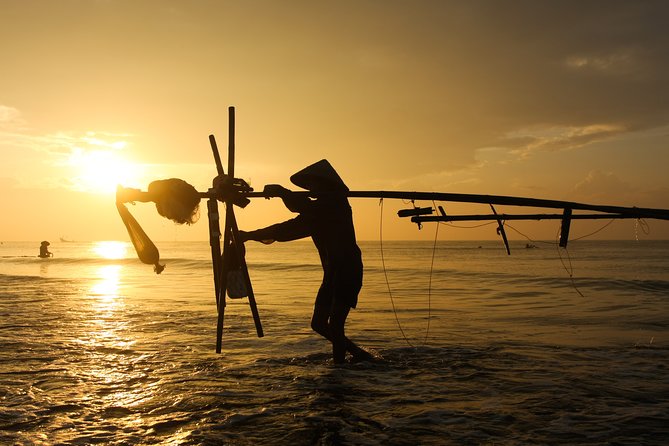
A lot of fishing scenes are photographed like scenery—boats on the water, waves, a few people. Here, the focus is on the workflow, and that’s why the images you’ll come home with are likely to feel different.
Start with the boat return. Hundreds of boats come in after the night out fishing shift. While boats get pulled ashore, the beach work begins immediately. You can photograph the catch as it moves through stages: sorting, preparation, and sale right by the shore. That’s great for storytelling because you can show cause and effect:
- Work happens first.
- Catch changes hands.
- The process ends with distribution.
Then comes the net work. Nearby, you’ll see a group spreading a net that can run for hundreds of meters. Each end is pulled by a team of strong people, and the net stays in motion for hours. This is one of those photo subjects where technique matters: you’ll want to think about leading lines (net edges, rope paths) and how to frame the teamwork.
Finally, watch for the stilt fishing. Men on stilts scoop into the sea for smaller fish. Even if it looks repetitive, it’s visually varied: body angle changes, scoop angle changes, and the timing of movement creates different shapes. These are the moments where a portrait lens can shine, even from a bit farther back.
If you only photograph boats, you’ll miss the heart of the story. If you photograph the steps, your photos feel like they belong to a place and a job.
Fishing Tools and Salt-Making: How to Turn Texture Into a Photo Story
This tour isn’t only about people and boats. It also gives you time to photograph unique fishing tools and the process of making salt. That’s valuable because tools and production work create strong images even when there’s no dramatic weather or crowd.
For the fishing tools, look for:
- Anything with repeated patterns (net weave, ropes, lines)
- Hands-on objects (sorting tools, gear used right in the process)
- “In-between” moments (repairs, adjustment, setup)
The salt-making process adds another layer. Even without flashy scenery, salt work can be visually satisfying because it’s all about repetition, technique, and surfaces. Salt production often gives you bright, high-contrast elements and very clear stages. You can use that to balance your portrait-heavy frames with images that explain how the day’s economy works.
This is also where composition helps. Instead of chasing faces all day, you can build a sequence:
1) Tool close-up
2) Step in the process
3) Result or storage area
4) Someone working again, continuing the cycle
That kind of photo sequence makes your album feel intentional, not random.
Afternoon Boat and Net Repairs: The Candid Side of Working Life
The afternoon portion focuses on what happens after the big action: repairs. Fishermen gather by the beach to fix ill-equipped boats or torn fishing nets. This is exactly the kind of moment that’s hard to photograph if you’re solo, because you might not know where to stand or when the most visible work happens.
Repair scenes tend to be quieter than the sunrise rush, but they often produce better “character” photos. You can capture:
- Focused body language (hands busy, eyes down)
- Evidence of hard use (torn sections, patched gear)
- Team moments (people working side-by-side)
These images also help your story land, because they show what comes after the catch and sale: maintenance, problem-solving, and staying ready for the next cycle.
Don’t just wait for the biggest repair. Look for the small adjustments too. Sometimes a single rope tie or a tool placement tells more than an entire boat frame.


Small Group Size, Pickup, and AC Transport: Why It Matters for Your Photos
This is a max 6-person experience, which is a big deal for photography tours. Smaller groups mean fewer people blocking your angles, less chaos when you’re trying to frame a net stretch or photograph someone sorting seafood, and more flexibility for a guide to reposition you.
You’ll also have pickup offered and an air-conditioned vehicle for getting around and staying comfortable between photo bursts. That sounds secondary until you’ve done enough long days: when you’re tired, you stop experimenting. With AC transport and included lodging, you’re more likely to keep your camera work sharp for the full two days.
Momentlives also handles the logistics side of the trip. In practice, that reduces friction: you spend more energy on seeing and shooting, and less energy on figuring out timing and access.
What the 2-Day Rhythm Really Does for You
The tour runs about 2 days, starting at 8:30 am. That start time matters because it shapes your daylight window. Even if the beach action begins earlier in the day, you’ll still have enough time built in for sunrise-to-sunset photography once you’re in place.
Here’s how the rhythm supports great images:
- Day 1 gives you the strongest working scenes: boat return, sorting, net work, and stilt fishing.
- Day 2 continues the photo opportunities, including salt-making process photography and more time for tool and workflow storytelling.
- The afternoon focus on repairs adds variety so your images don’t all look like the same moment repeated.
The included lodging helps too. You’re not running back and forth all day, which means you can stay focused on shooting rather than transit stress.
Meals and Accommodation: Less Guesswork, More Shooting Time
You’ll get all meals included with two exceptions: breakfast on Day 1 and dinner on Day 2. Coffee and/or tea are included as well. That’s useful because it helps you plan your day without constantly deciding where to eat.
Accommodation is included, so the second day doesn’t turn into a scramble for a place to rest. A night of sleep is more than comfort—it’s a practical photography factor. You’ll shoot across changing light, and your ability to spot moments improves when you’re not running on fumes.
If you’re the kind of photographer who stays out longer for specific lighting, this setup helps because the core logistics are handled.
Value Check: Is $408 Worth It for a 2-Day Photo Tour?
At $408 per person for about two days, the price isn’t just about transportation. What you’re really paying for is guided access to working scenes where your best photos come from timing and understanding the workflow.
Here’s what adds real value:
- Focused photo time from sunrise to sunset, not a quick stop
- A guide who organizes your positions around the action (including fishing tool and workflow shots)
- Small group size (max 6), which protects your angles and your patience
- Included lodging and AC transport, which reduces your total travel workload
- Meals mostly covered, so you can stay on schedule for the best light
Could you attempt a DIY photography day and get lucky? Sure. But this kind of working-beach access often takes local knowledge: where people gather, when nets are being handled, and how the workflow moves. That’s the difference between “I took photos” and “I have a coherent photo story.”
If photography is your priority, not just checking off a destination, this price can make sense.
Who This Tour Fits Best (And Who Might Want to Think Twice)
This works best if you:
- Want authentic working-life photography, not only scenic sightseeing
- Like to photograph process (sorting, net pulling, repairs, salt work)
- Enjoy portrait opportunities in natural settings
- Prefer a small group with a focused photo plan
It might not be ideal if you:
- Have very limited mobility or you dislike walking/standing in beach conditions (moderate physical fitness is recommended)
- Only want a relaxed half-day style outing
Also remember the experience depends on good weather. If conditions are poor, the operator may shift dates or offer a full refund. That’s normal for outdoor photography on coasts.
How to Prepare Your Camera and Your Day
Even without changing your gear, you can get more from this tour by preparing for the lighting shifts and subject variety.
I’d plan for:
- Portraits in early light and later contrast (carry the ability to adjust exposure quickly)
- Tool and net details (bring a focal length that can handle close and mid-range framing)
- Storytelling sequences (decide ahead of time what “beats” you’ll capture: return, sorting, net work, stilt scooping, repairs, salt-making)
Also, bring clothing that works for a long shooting day on the beach. You’ll be standing, watching, and waiting for movement. Comfort helps you shoot better, because you’re not mentally stuck on how cold or uncomfortable you feel.
And if you’re shooting people, be patient. Work scenes are fast and practical. Your best approach is respectful observation, then quick framing when the moment lines up.
Should You Book This Vietnam Fishing Village Photography Tour?
If you want photos with story—not just pretty beach shots—this is a strong choice. The biggest selling points for me are the sunrise-to-sunset schedule, the workflow focus (sorting, nets, stilt fishing), and the variety that comes from repairs plus salt-making work.
Book it if:
- You want authentic, working-life imagery around Nam Dinh beach
- You value guided organization and small-group focus
- You’re comfortable with moderate walking/standing and you can handle weather dependence
Skip it if you’re after a more relaxed, sightseeing-first trip or you’d rather not work around long outdoor daylight sessions.
If photography is your mission, this tour is built for that. And with Momentlives and guide Hoa running the flow, you’ll likely spend your energy where it counts: seeing and shooting the real moments.
FAQ
FAQ
Where is the tour located?
The tour is based in Hanoi, Vietnam, with the fishing village photo scenes focused around Nam Dinh beach.
How much does the Vietnam fishing village photography tour cost?
The price is $408.00 per person.
How long is the tour?
The duration is approximately 2 days.
What time does the tour start?
The start time is 8:30 am.
Is pickup offered?
Yes, pickup is offered.
What is the group size limit?
The maximum group size is 6 travelers.
What meals are included?
All meals are included except breakfast on Day 1 and dinner on Day 2. Coffee and/or tea are also included.
Is accommodation included?
Yes, accommodation is included, along with an air-conditioned vehicle for transport.
Will I get a mobile ticket?
Yes, the tour includes a mobile ticket.
What about weather, fitness, and cancellations?
The experience requires good weather, and if it’s canceled due to poor weather you’ll be offered a different date or a full refund. You should have a moderate physical fitness level. Cancellation is free, and you can cancel up to 24 hours in advance for a full refund.