REVIEW · HOI AN
Hoi An Cooking Class(Local market,Basket Boat,Fishing & Cooking)
Book on Viator →Operated by Hoi An Family Eco Cooking Tour · Bookable on Viator
A half-day with market-to-coconut-boat energy. This Hoi An cooking class is built around three hands-on pieces: choosing produce at the local market, riding through the nipa-palms by basket boat, and cooking Vietnamese dishes with a chef in an outdoor coconut-house kitchen.
What I like most is how it turns food into something you can actually repeat later. You get guidance on picking good ingredients and then learn techniques at a real cooking setup, hosted by Ms Trâm (and in other sessions you may cook with chefs like Sonny or Duyen).
The main thing to consider is timing and weather. It runs about 4.5 hours and the Bay Mau / Cam Thanh water area can get wet, so you’ll want to roll with rain (raincoats are included, but it still affects comfort).
In This Review
- Key highlights worth your attention
- How this Hoi An tour feels different from a basic cooking class
- Pickup, timing, and the small-group advantage
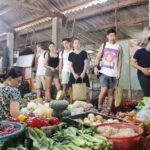
- The market stop: how to shop like a Vietnamese cook
- Bay Mau Coconut Forest and the basket boat ride
- Safety and comfort basics
- Crab fishing in the canals: fun, not a guarantee
- Coconut village and the photo-worthy break
- Cooking with a chef: more skill than show
- What you’re learning
- Lunch or dinner: you eat what you cook
- Value for $28.21: where the money actually goes
- Who should book this (and who might skip it)
- What to bring so the day stays pleasant
- Should you book this Hoi An Cooking Class?
- FAQ
- How long is the Hoi An market, basket boat, fishing & cooking experience?
- Is hotel pickup and drop-off included?
- Do I choose lunch or dinner?
- How big is the group?
- What safety gear is included for the boat and fishing part?
- Is a market visit included?
- Do we go on a basket boat ride?
- Is crab fishing included?
- Is there an English-speaking guide or chef?
- Do I get recipes to take home?
Key highlights worth your attention
- Market lesson with practical ingredient tips so you can recognize better produce
- Small group (up to 11) for more attention at your cooking station
- Life jacket, umbrella, and raincoat included for the basket boat and crab-fishing time
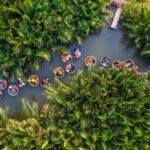
- Bay Mau Coconut Forest / Cam Thanh nipa palms for the signature basket boat experience
- Hands-on crab fishing in the canals using the same skills locals use
- Recipes to take home so the meal doesn’t end when the tour ends
How this Hoi An tour feels different from a basic cooking class
Most cooking classes in Hoi An focus mainly on the cooking part. This one builds a stronger food story by adding two extra steps that matter: where ingredients come from, and how people live around the water in central Vietnam.
You start with a local market stop where you learn what to look for in everyday ingredients Vietnamese cooks rely on. Then you head to the coconut/nipa palm eco-village area in Cam Thanh (Bay Mau). That’s where the tour shifts from shopping to field skills—basket boats first, crab fishing next—before you return to the kitchen.
The payoff is that you leave with both memories and know-how. It’s not just watch-then-eat. You learn the logic behind flavor: what tastes good, why it works, and how to handle ingredients so the dish comes out right.
You can also read our reviews of more tours and experiences in Hoi An.
Pickup, timing, and the small-group advantage
This tour is designed to be low-stress. If you stay in Hoi An, pickup and drop-off are included, and it runs for about 4 hours 30 minutes. You’ll also get a mobile ticket, which makes day-of changes easier.
The group size stays small—maximum 11 travelers—and that shows during the cooking portion. You’re not fighting for attention while your station gets messy. With a smaller class, it’s easier to ask questions about chopping, mixing, and adjusting flavors.
One logistics note: if your pickup is in Da Nang, you pay an extra $17 per person for pickup and drop-off. If you’re based in Hoi An, you’ll get the smoother included transport.
The market stop: how to shop like a Vietnamese cook
The market part is where a lot of value hides. Ingredients are the first half of cooking, and this tour treats them that way.
During the market visit, your chef/guide helps you identify good produce—things like freshness, texture, and what ingredients are commonly used in Vietnamese dishes. You’re not just browsing. You’re shopping with a purpose, so the ingredients you select later make sense in the dishes you’ll cook.
This is also a great moment to connect Vietnamese food to what you see around you in Hoi An. You’ll notice how herbs, greens, and other market staples show up repeatedly across meals in central Vietnam.
Practical note: bring a little patience for the market area. It’s part of the experience, and you’ll move through it at a walking pace rather than a quick photo stop.
Bay Mau Coconut Forest and the basket boat ride
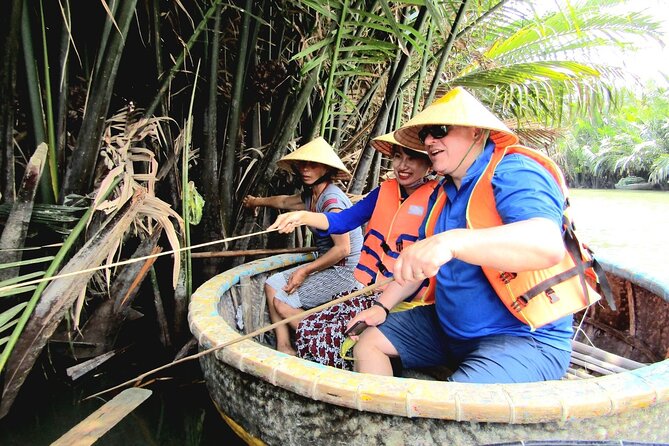
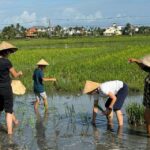
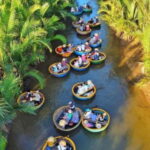
The signature stop is the eco-area in Cam Thanh / Bay Mau Coconut Forest, with the nipa-palm canals. Here’s what makes it more than a scenic ride: the basket boat is tied to local fishing skills and a working landscape.
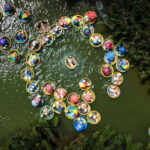
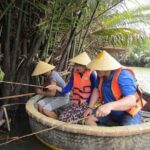
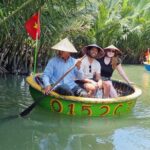
You’ll row a bamboo basket boat through the canals, and you’ll also get to experience the area with local hosts who know how to handle the boats confidently. Many people love that it feels playful, but it still feels grounded in real use—people really navigate these waters this way.
Safety and comfort basics
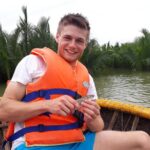
This tour includes a life jacket and raincoat. An umbrella is also part of the package. That’s smart for a canal activity, because you’re dealing with spray, humidity, and sudden weather changes.
If it’s raining, don’t panic. Rain doesn’t cancel the spirit of the day—it can just change how comfortable you feel while sitting in the boat. The included rain gear is there so you can keep going.

Crab fishing in the canals: fun, not a guarantee
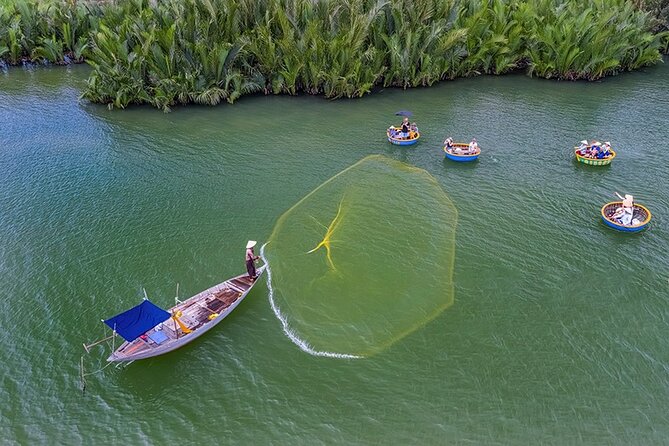
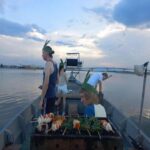
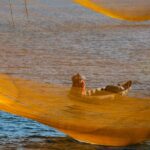
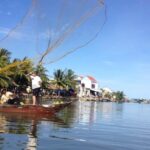
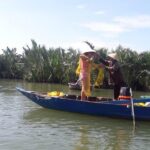
The tour includes a crab-fishing attempt during the basket boat / canal time. You’ll learn what to do and try your luck in the water alongside the local experience.
Two things to set expectations correctly. First, you’re not buying a guaranteed catch. You’re learning how locals fish in the canals, and that’s inherently “try and learn” style. Second, how quickly you get results can depend on conditions like water movement and timing.
That said, this is often the part people remember most because it’s physical and interactive. You’re doing something real in a real place, not just watching from a dock.
Coconut village and the photo-worthy break
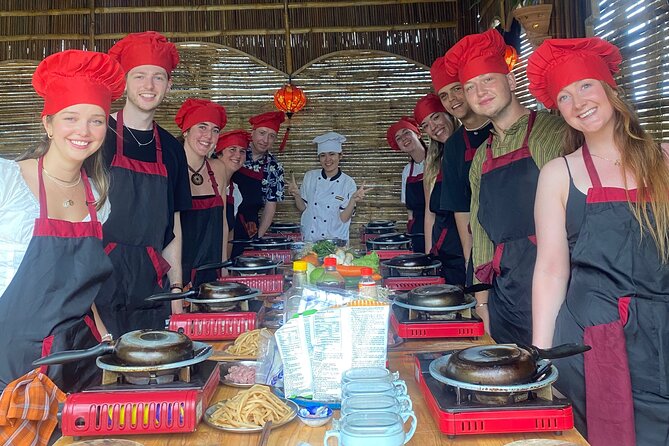
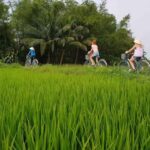
Between boat time and cooking time, you’ll also get time around the coconut village area for photos. This is when the day slows just enough for you to absorb the setting—nipa palms, water channels, and the village-countryside feel that makes Cam Thanh different from central Hoi An streets.
One nice touch: because you’re not rushing every stop, you can take the photos without feeling like you’re speed-running the experience.
Cooking with a chef: more skill than show
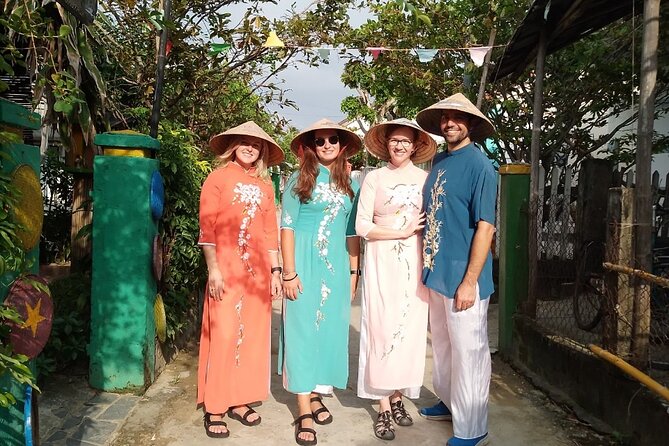
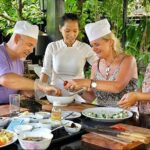
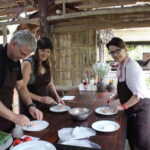
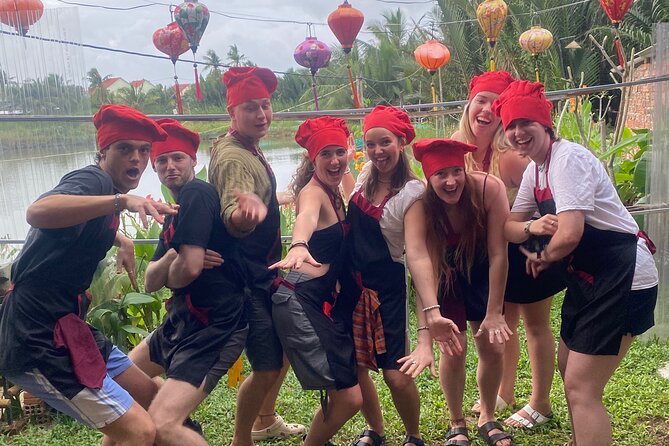
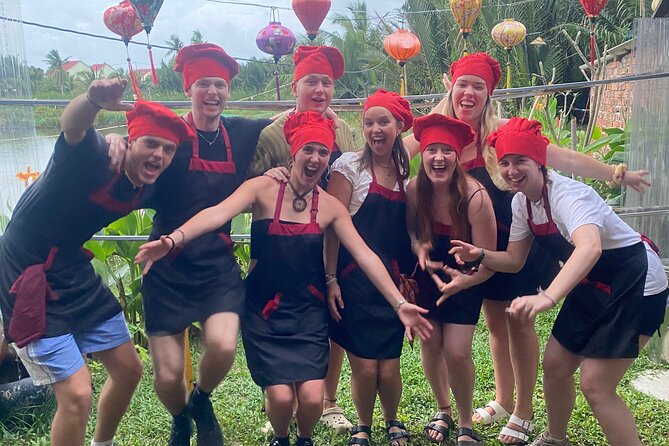
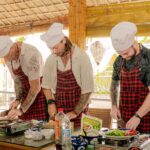
The cooking portion happens within the coconut-house setup—often in an outdoor kitchen style that feels closer to how families cook than a demo-only classroom.
Chefs and hosts (names you may meet include Ms Trâm, and in some sessions you might cook with chefs such as Sonny or Duyen) guide you through making Vietnamese dishes you’ll also eat. The tone tends to be friendly and practical, with patience for beginners and humor that keeps the mood light.
What you’re learning
You’re not only following steps. You’re learning cooking technique and ingredient logic. The market shopping connects to this directly, because the herbs and vegetables you buy aren’t random. They’re the same building blocks behind the dishes you’re preparing.
Depending on your group and session, the menu can include well-known Vietnamese items. One dish that comes up in a session is bánh xèo, a popular central Vietnamese pancake made with a thin batter and savory filling.
Another reason this part works well: your class is small enough that your chef can correct small mistakes—how you chop, how you handle heat, and how you balance flavors.
Lunch or dinner: you eat what you cook
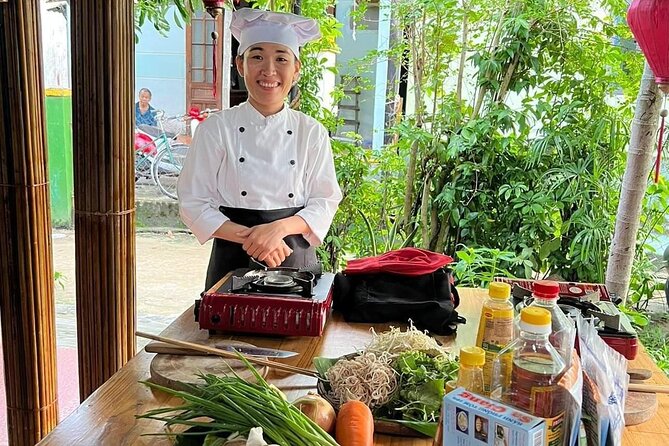
This tour gives you a choice: book lunch or dinner. That flexibility helps a lot if you’re trying to plan around other Hoi An activities, like lantern evenings or heritage walks.
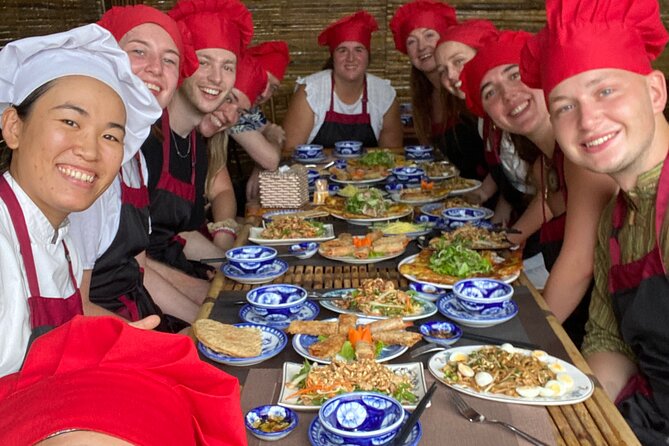
After cooking, you sit down and enjoy the meal you made. In practice, this is where the day becomes satisfying rather than educational. You get that moment of realization—this tastes like you understood it, not just followed directions.
Also, there’s usually a big “take-home” element: you get recipes after the class, so you can recreate the flavors later instead of relying on memory.
Value for $28.21: where the money actually goes
At $28.21 per person, this tour is surprisingly cost-effective because it stacks multiple activities into one coordinated package:
- pickup and drop-off in Hoi An
- market ingredient shopping
- coconut village time for photos
- basket boat ride (with included safety gear)
- crab-fishing attempt
- cooking class with an English-speaking chef/guide
- lunch or dinner
- recipes to take home
So you’re not paying separately for market access, boat time, or a full cooking lesson. And since the group size is limited, you’re paying for more attention rather than crowd coverage.
The only extra cost to watch for is the $17 per person pickup from Da Nang. If you’re staying in Hoi An, you avoid that.
Who should book this (and who might skip it)
This is a strong fit if you want Hoi An to feel hands-on. It’s especially good for:
- couples who want a memorable shared day that isn’t just sightseeing
- families looking for a structured activity (the day is paced and interactive)
- food lovers who want more than a recipe—they want the ingredient logic
You might think twice if:
- you hate getting wet or uncomfortable in changing weather
- you only want a short, purely kitchen-based class and nothing outdoors
- you have very limited time and need a faster half-hour format (this one is a real half day)
What to bring so the day stays pleasant
You’ll be in and around water areas, and you’ll be doing cooking right afterward.
Bring:
- a change of clothes if you’re sensitive to getting damp
- sandals or shoes you don’t mind getting wet
- sunscreen and something for sun protection
- a phone-safe plan for boat and canal time (a small bag helps)
The tour provides a raincoat and life jacket, so you’re not starting from scratch.
Should you book this Hoi An Cooking Class?
Yes, if your ideal Hoi An day includes food plus local life. The mix of market skills, basket boat time, and a cooking class led by a chef-host like Ms Trâm makes this feel more complete than the typical cooking-only tour.
Book it especially if you want value: you’re paying for a full experience, not just a meal. And if you care about learning ingredients—not just copying recipes—this one has the structure to actually teach you.
If you’re the type who hates weather uncertainty, plan for rain gear to be part of your day. But given the included safety equipment, it’s one of the more weather-ready options in Hoi An.
FAQ
How long is the Hoi An market, basket boat, fishing & cooking experience?
It runs about 4 hours 30 minutes (approx.).
Is hotel pickup and drop-off included?
Yes for accommodation in Hoi An. If you need pickup from Da Nang, there is an extra $17 USD per person for pickup and drop-off.
Do I choose lunch or dinner?
Yes. You can book either a lunch or dinner slot for flexibility.
How big is the group?
The maximum group size is up to 11 travelers.
What safety gear is included for the boat and fishing part?
You receive a life jacket and raincoat, plus an umbrella.
Is a market visit included?
Yes. You’ll visit a local market and learn how to pick good produce.
Do we go on a basket boat ride?
Yes. You’ll row a basket boat as part of the coconut forest/coconut village portion.
Is crab fishing included?
Yes. The activity includes catching crabs in the canals.
Is there an English-speaking guide or chef?
Yes. The guide is an English speaking chef/guide.
Do I get recipes to take home?
Yes. You’ll receive recipes after the cooking class.