REVIEW · HOI AN
Hoi An: Fishing Village Tour And Cooking Class with Phở
Book on GetYourGuide →Operated by HKTRAVEL · Bookable on GetYourGuide
Fishing boat views and lunch you cook yourself. This half-day style tour in Hoi An mixes a Cam Thanh bamboo basket boat ride with hands-on cooking in a local farming area, not some far-off demo. I especially like starting with the local market visit, because you actually select ingredients before you start cooking. I also love the meal at the end since it is Vietnamese dishes you make, then eat while it’s still fresh. One thing to keep in mind: you’ll be on your feet in the market and moving between spots, so pack comfy shoes and plan for sun and heat.
The standout for me is how practical it all feels: you learn real techniques, then get recipes you can use later. The guide support matters too. In the best experiences, the hosts were warm and attentive (Tony and Sam are named in feedback), which makes the cooking part feel less intimidating. The only likely drawback is that the cooking involves ingredients and prep steps, so if you are very sensitive to food handling or strong smells, tell the team ahead of time.
In This Review
- Key things to know before you go
- Market to Pan: Starting your morning the practical way
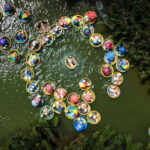
- Cam Thanh fishing village and the bamboo basket boat ride
- A farming village cooking class: where the day turns hands-on
- What you actually cook: spring rolls, banh xeo, papaya salad, and pho
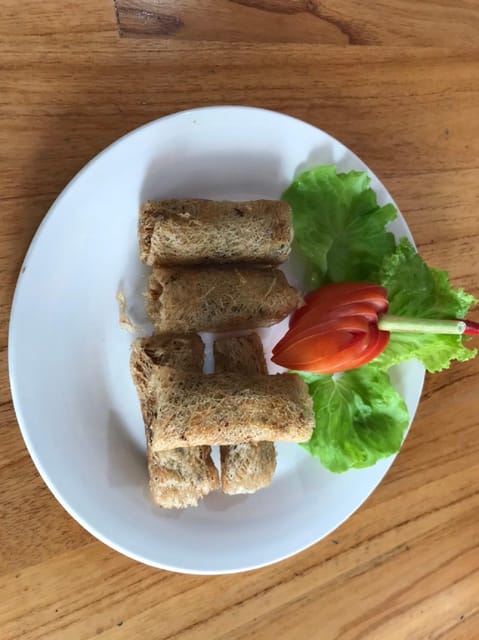
- Spring rolls: freshness vs. crunch
- Banh xeo: the signature Hoi An rice pancake
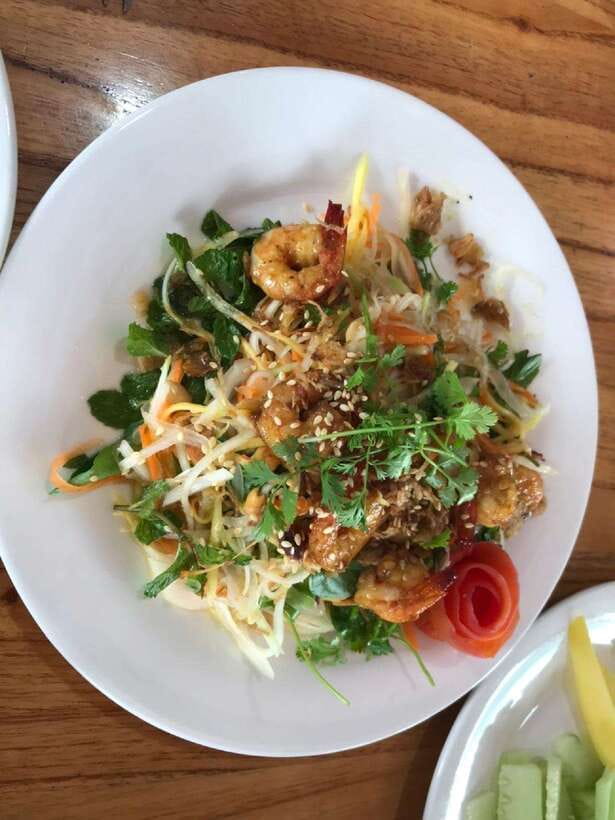
- Green papaya salad: sour, crunchy, and refreshing
- Pho: a comfort dish with clear choices
- Eating what you made, then using the recipes later
- Price and value: is $31 a good deal?
- Timing, logistics, and what to bring
- Pickup note that matters
- Who this tour fits best in Hoi An
- Should you book this Hoi An fishing village cooking class?
- FAQ
- What’s included in the Hoi An fishing village tour and cooking class?
- How long does the tour last?
- What will I cook during the class?
- Are vegetarian options available?
- Do you get a recipe to take home?
- Is pickup available from every hotel in Hoi An?
- What should I bring?
- Is there any age limit for kids?
Key things to know before you go
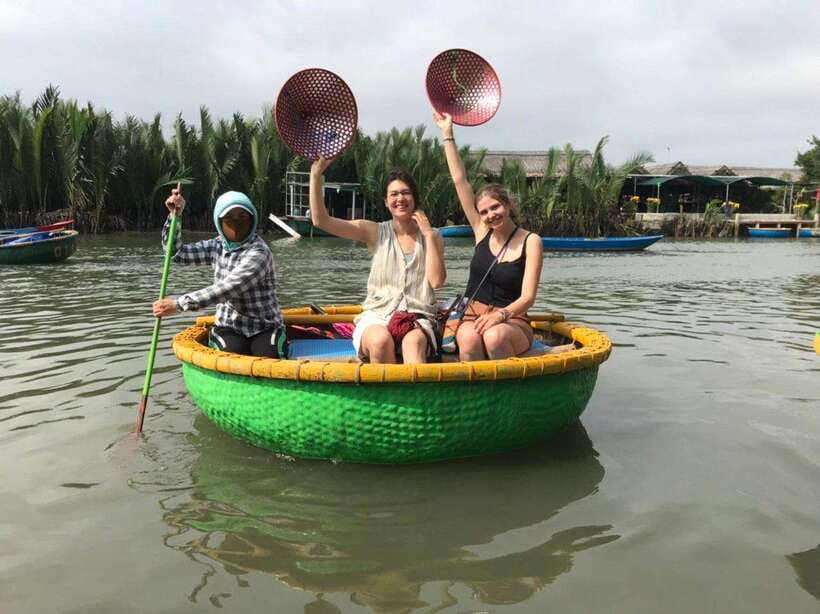
- Cam Thanh bamboo basket boat ride through the water coconut palm forest
- Market shopping in Hoi An so you know what goes into your dishes
- Chef-led cooking class in a farming village with a welcome drink
- A full dish lineup: spring rolls or fried spring rolls, banh xeo, green papaya salad, and pho
- Take-home recipes for what you cooked (plus dietary swaps if you request them)
- Hotel pickup and drop-off included, but service skips some resort areas
Market to Pan: Starting your morning the practical way
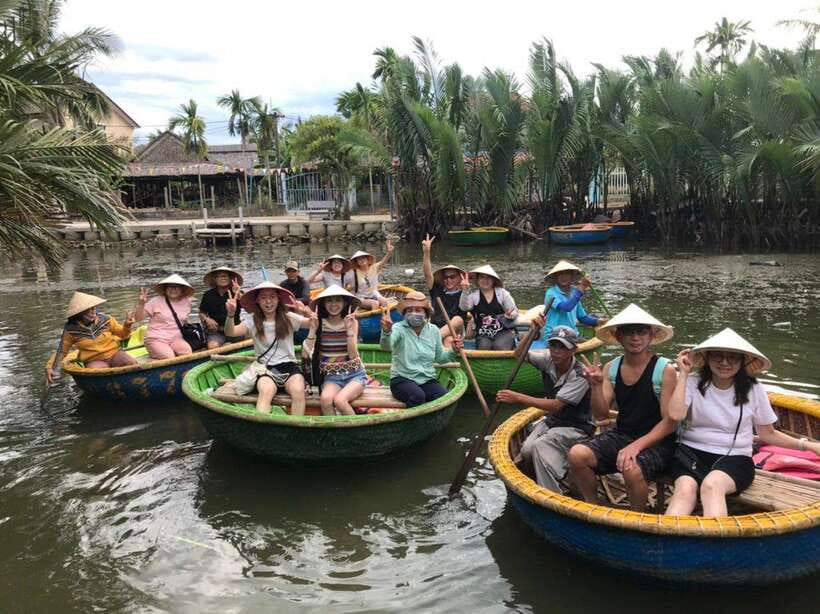
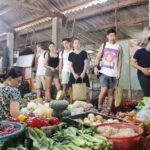
Hoi An tours often start with a transfer and end with photos. This one keeps you moving with a clear purpose: ingredients first, cooking second, meal last. You’ll get hotel pickup and then head to the local market to shop for your class.
What makes the market stop valuable is that it isn’t just a quick look. You learn how the market works, including the opening and closing times, and you see what foods are easy to find. Then you pick up ingredients for the cooking class. For me, that changes the whole experience. When you later cook, you can connect the dish to the real produce and pantry items you saw earlier.
Quick consideration: markets can be busy and bright. Bring your sunscreen and a hat, and expect walking on uneven ground. Also, this part is why the tour works best if you feel comfortable making a few small decisions in a foreign setting. If you like having someone guide you through the food choices, you’re in good shape.
You can also read our reviews of more tours and experiences in Hoi An.
Cam Thanh fishing village and the bamboo basket boat ride
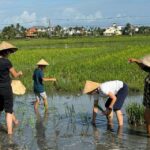
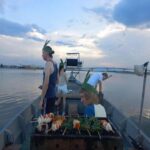
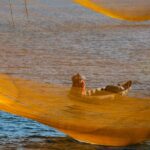
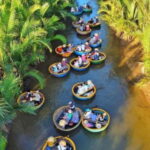
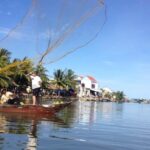
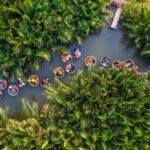
Next comes the Cam Thanh fishing village and the bamboo basket boat ride. The ride happens in the water coconut palm forest, which is exactly the kind of setting that makes you slow down and look around. It’s one of those experiences where the scenery does part of the job for you, and you don’t need to be a hardcore photographer to enjoy it.
This stop also helps break up the day. After the market, the boat ride gives you a different rhythm—less standing in one place, more time to watch how local life ties into the water. Even if you’ve seen other boat activities in Vietnam, the bamboo basket format feels specific to the area and the setting.
Two practical notes:
- Wear comfortable shoes for the transfer and any walkways before you board.
- Bring a camera, but also take a moment to just watch. The palms and water create a very different atmosphere than the town streets.
A farming village cooking class: where the day turns hands-on
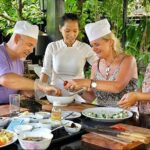
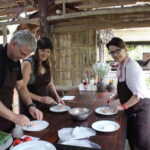
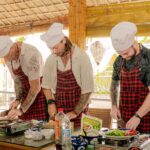
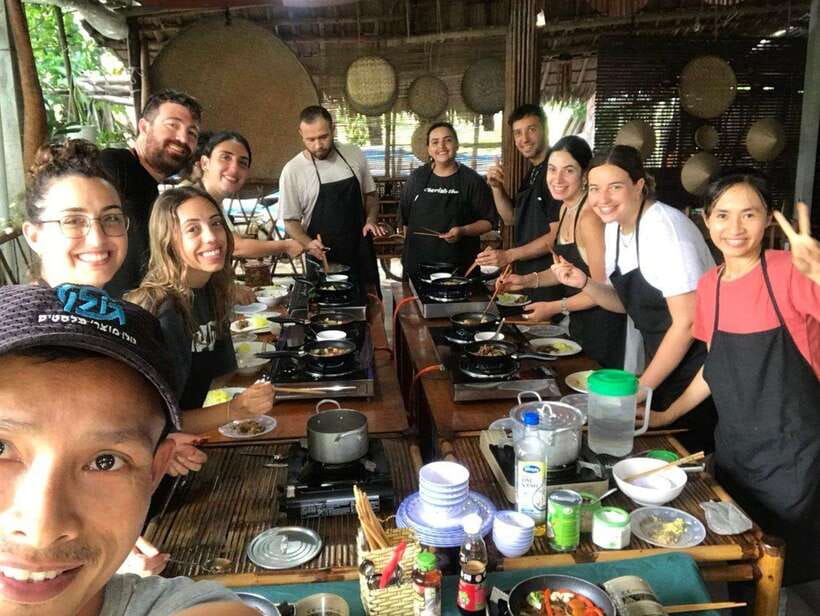
After you return from the fishing village, you get a welcome drink, then the cooking class begins in a farming village setting. This is where the tour becomes more than sightseeing. You’ll work with a chef who explains Vietnamese cultural cuisine and guides you step-by-step.
A big reason cooking classes can go either way is the pressure level. This one is set up like a guided meal you learn to recreate, not a performance. In feedback, hosts were especially caring and took good care of the group (Tony and Sam are explicitly mentioned in one set of notes). That kind of attention matters when you’re learning techniques you’ve never tried.
If you’ve cooked before, you’ll still find it useful because Vietnamese dishes rely on specific textures and balance: crisp vs. soft, sweet vs. sour, fresh herbs vs. cooked elements. If you haven’t cooked Vietnamese food, you’ll likely enjoy this more than you expect, as long as you pay attention during the chef’s explanations and ask questions.
One more thing: the tour notes that food ingredients can be adapted depending on vegan, vegetarian, gluten-free preferences, or allergies. So if you have needs, don’t just hope it works out. Tell the team so they can adjust what you’re cooking.
What you actually cook: spring rolls, banh xeo, papaya salad, and pho
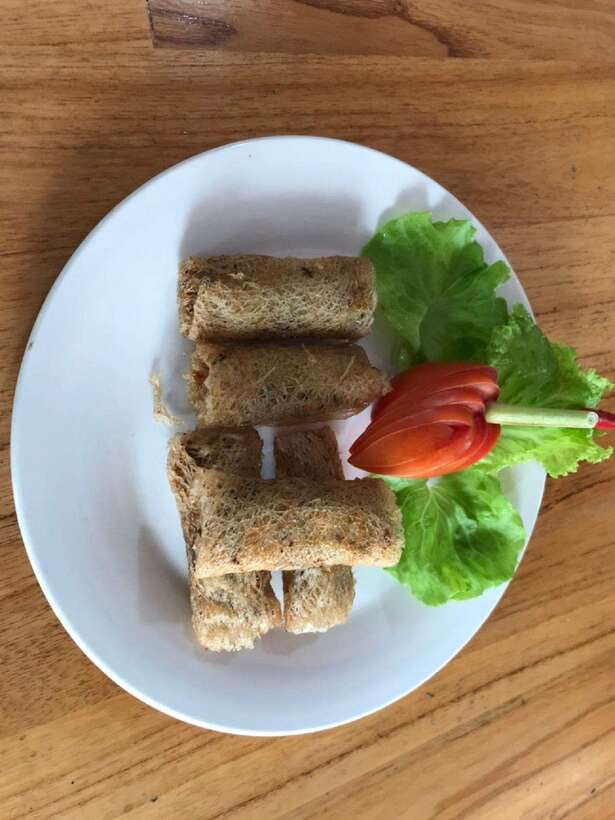
The menu is structured like a best-of Vietnamese meal rather than random snacks. You’ll cook:
- Hoi An fresh spring rolls or fried spring rolls
- Hoi An rice pancakes (banh xeo)
- Green papaya salad
- Vietnamese pho (beef or chicken)
That lineup is smart for two reasons. First, you cover different flavor types and textures: crunchy and crisp (spring rolls and banh xeo), tangy and fresh (papaya salad), and soothing and aromatic (pho). Second, you get a meal that feels complete even if you’re not used to Vietnamese food.
Spring rolls: freshness vs. crunch
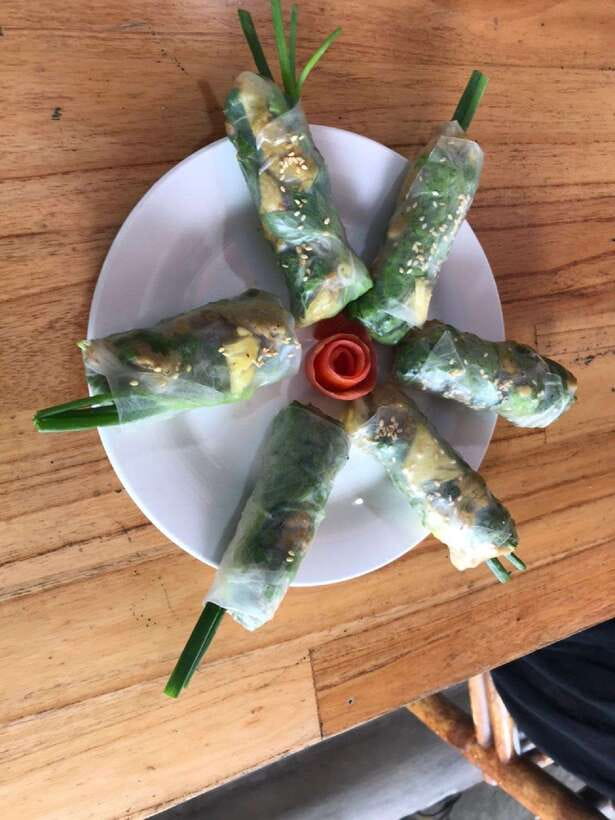
Spring rolls are often where people learn the most about wrapping and balancing fillings. The class includes either fresh or fried spring rolls depending on the version offered, so you’ll experience a clear technique difference. Fresh spring rolls tend to focus on delicate assembly and fresh herbs. Fried spring rolls focus more on crisping and cooking the wrapper properly.
Either way, you’ll leave with a dish you can reproduce at home without needing special equipment beyond basics.


Banh xeo: the signature Hoi An rice pancake
Banh xeo is the one dish that can intimidate you just because it is cooked in a pan. But that’s also why it’s valuable. You learn how the batter transforms and how the toppings come together. It’s not just a pancake; it’s a sauce-and-herb style meal that teaches you the Vietnamese way of eating in layers.
Green papaya salad: sour, crunchy, and refreshing
Green papaya salad brings the sharp flavors that Vietnamese cooking loves—sweet, sour, and a crisp crunch. In a class, this dish is a great teacher because it makes balance feel real. If the chef adjusts flavors for your taste or dietary needs, you’ll see how flexible the dish can be.
Pho: a comfort dish with clear choices
Pho at the end is a payoff moment. You’ll make it with beef or chicken, and the cooking class gives you the structure so you understand what matters for the broth and seasoning. Even if you have pho shops at home, learning the process helps you judge what makes a bowl taste right.
If you’re vegetarian, the notes say vegetarian options are available on request. Just plan to request it ahead of time so the chef can adjust what you’ll cook.
Eating what you made, then using the recipes later
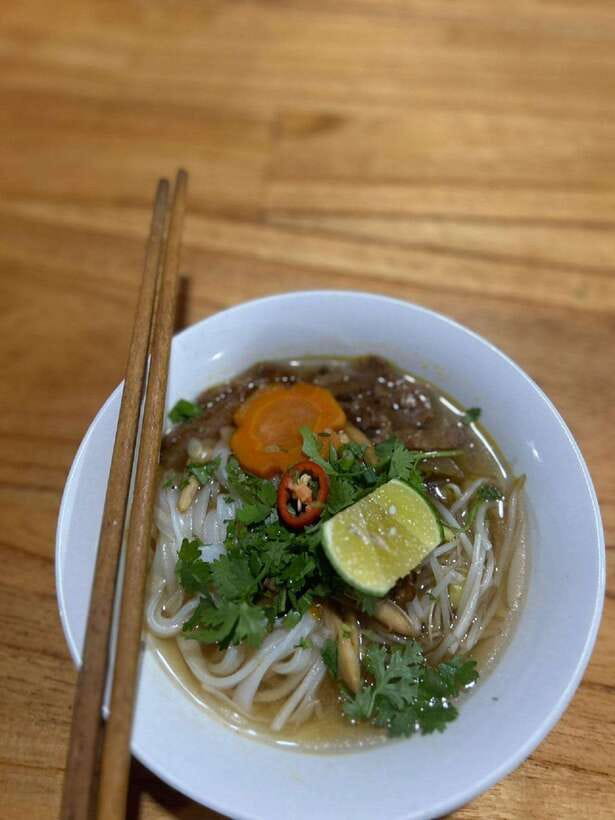
After the cooking, you eat the meal you prepared. This part seems obvious, but it’s one of the most rewarding travel setups for me. You’re not just paying for food—you’re paying for learning how it comes together, then tasting the result right away.
The tour also gives you a cooking recipe so you can repeat the dishes later. That matters more than people think. Without recipes, cooking classes often turn into memories with no practical follow-up. With recipes, you can actually cook at home and share the meal with friends.
A practical tip: after the meal, take a few minutes to review the recipe notes. If something tasted especially good, write down what you liked (sour level, crunch, herb mix). Recipes are a starting point, but your memory of flavor balance helps you replicate the experience.
Price and value: is $31 a good deal?
At about $31 per person, you’re buying more than a boat ride and more than a cooking show. This price includes:
- hotel pickup and drop-off
- local market visit and ingredient shopping
- fishing village visit
- bamboo basket boat ride
- welcome drink
- chef-led cooking class
- the meal
- the cooking recipe
That’s why the value feels strong. Many tours separate sightseeing and food experiences, but here you get both in a single flow. You’re paying for time, local guidance, transport, and ingredients. If you were to piece together market shopping, a boat activity, and a cooking class separately, you’d likely spend more in money and planning stress.
The main value test for you: do you want a hands-on meal experience, not just photos? If cooking is your thing, this price looks fair. If you only want scenic sightseeing, you might feel you are carrying more effort than you expected.
Timing, logistics, and what to bring
The tour runs about 4.5 to 6 hours depending on available starting times. It’s long enough to cover market, boat ride, and full cooking, but short enough to keep the rest of your Hoi An day flexible.
You’ll want:
- comfortable shoes
- a sun hat
- sunscreen
- camera
Also note that children under 4 can attend free of charge, but they will not participate in the cooking. If you’re traveling with little kids, plan for a more watch-and-wait day after the boat ride.
Pickup note that matters
Pickup is included with hotel pickup and drop-off, but it is not available from certain resort areas such as Vinpearl Resort Golf Nam Hoi An, Hoiana Resort, Bliss Resort, Tui Blue Resort, or similar locations. If you’re staying in one of those areas, double-check pickup availability early.
Who this tour fits best in Hoi An
This tour is a great match if you want:
- hands-on Vietnamese cooking, not just a sit-and-watch class
- a food-centered day with meaningful local stops
- a bamboo boat experience without overplanning your own route
- recipes you can actually use after the trip
It may not be ideal if:
- you dislike walking around a market
- you want a slow, purely relaxing day
- you have dietary needs but tend to forget to communicate them ahead of time
If you care about real food culture—how ingredients connect to dishes—this style of experience is usually a winner.
Should you book this Hoi An fishing village cooking class?
I’d book it if you want a day that feels practical: you shop, you boat, you cook, you eat, then you take recipes home. The combo of Cam Thanh bamboo basket scenery plus a full dish lineup (spring rolls, banh xeo, papaya salad, pho) makes the time feel well spent. And the feedback about attentive hosts like Tony and Sam is a good sign that the class part won’t feel rushed.
Skip it if you only want passive sightseeing or you’re not comfortable with standing and outdoor heat. Also, if you’re in a resort area where pickup might be limited, confirm before you commit.
Overall, for $31 and a half-day schedule, it’s one of the more complete ways to get both local food skills and a genuine taste of Hoi An area life.
FAQ
What’s included in the Hoi An fishing village tour and cooking class?
It includes hotel pickup and drop-off, a local market visit, ingredients for your cooking class, a fishing village visit, a bamboo basket boat ride, a welcome drink, a chef-led cooking class, the meal you prepare, and the cooking recipe.
How long does the tour last?
The duration is about 4.5 to 6 hours, with starting times depending on availability.
What will I cook during the class?
The menu includes Hoi An spring rolls (fresh or fried), Hoi An rice pancakes (banh xeo), green papaya salad, and Vietnamese pho (beef or chicken).
Are vegetarian options available?
Yes. Vegetarian options are available on request. The tour also notes that ingredients can be adapted for vegan or vegetarian preferences, gluten-free preferences, and allergies.
Do you get a recipe to take home?
Yes. You receive the cooking recipe for the dishes you prepare.
Is pickup available from every hotel in Hoi An?
Pickup is included, but it is not available from certain resort areas like Vinpearl Resort Golf Nam Hoi An, Hoiana Resort, Bliss Resort, Tui Blue Resort, or similar areas. Check availability based on where you’re staying.
What should I bring?
Bring comfortable shoes, a sun hat, a camera, and sunscreen.
Is there any age limit for kids?
Children under 4 can attend free of charge, but they will not participate in the cooking.
If you want, tell me your travel month and where you’re staying in Hoi An, and I’ll help you sanity-check the timing and whether the pickup area is a match.