REVIEW · NEGOMBO
Negombo: Fishing Village Highlights Private Tour by Tuk Tuk
Book on GetYourGuide →Operated by Beyond Escapes · Bookable on GetYourGuide
Tuk-tuks turn Negombo into a moving postcard. This private-style small-group tour is built for street-level views: you ride through everyday lanes, then step into big sights like the Negombo Fish Market and the murals-heavy temple stops.
I like two things most. First, the tuk-tuk format makes the whole day feel local instead of museum-y. Second, the route mixes seafood life with Hindu and Buddhist landmarks, so you don’t just see one side of Negombo. One possible drawback: the day’s value depends on your guide actually engaging at each stop, so if you’re aiming for history and context, ask questions early.
In This Review
- Key highlights to know before you go
- Riding Negombo by Tuk-Tuk, Not on a Schedule for Tourists
- Pickup in Negombo or Waikkal: How the Tour Starts
- Negombo Fish Market: The Fastest Way to Understand Local Life
- Dutch Fort Remains and the Dutch Canal: Small Stops with Big Context
- Sri Singama Kali Amman Kovil: Hindu Art You Can Actually Notice
- Angurukaramulla Temple: Buddhist Heritage Over 300 Years Old
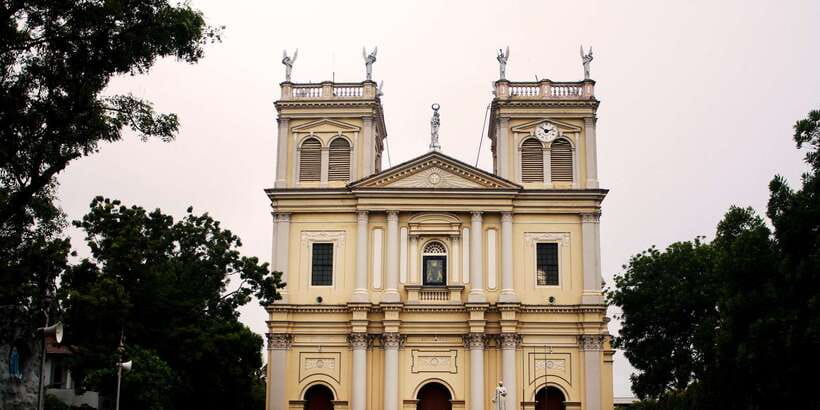
- St. Mary’s Church: A Big Catholic Landmark in the Middle of the Route
- The Sweet King Coconut Drink: Small Refreshment, Smart Timing
- Time, Group Size, and Guide Quality: The Real Secret Sauce
- Price and Value: Is $45 Worth It?
- Who This Tour Suits Best (and Who Might Prefer Another Plan)
- Should You Book This Negombo Fishing Village Highlights Tuk-Tuk Tour?
- FAQ
- How long is the Negombo Fishing Village Highlights private tour by tuk-tuk?
- Where are the pickup and drop-off locations?
- Is the tour in English?
- What’s included in the price?
- Are meals included?
- How many people are in the group?
Key highlights to know before you go

- Negombo Fish Market first for a firsthand look at the daily trade and waterfront rhythm
- Dutch Canal and Dutch Fort remains to understand the older colonial layer of the area
- Sri Singama Kali Amman Kovil with striking murals and intricate sculptures
- Angurukaramulla Temple with Buddhist heritage said to be over 300 years old
- St. Mary’s Church for one of Sri Lanka’s largest cathedral-style landmarks
- Sweet king coconut drink as a simple, welcome refresh between stops
Riding Negombo by Tuk-Tuk, Not on a Schedule for Tourists
Negombo is one of those places where “getting there” is half the experience. This tour uses a tuk-tuk, so you move through neighborhoods the way locals do—slow enough to notice details, fast enough to cover a lot in a short time.
The small-group size (up to 6) also matters. You’re not stuck watching a guide talk at 30 people. If you speak up, you can actually ask things, and you’ll get better reactions when the driver and guide are navigating on the fly.
You’re also getting a tight geographic loop: fish market area, then major religious sites around the Negombo/Waikkal side, plus the Dutch-era reminders. That’s what makes it a good “short stay” option.
You can also read our reviews of more tours and experiences in Negombo.

Pickup in Negombo or Waikkal: How the Tour Starts

You’ll get hotel pickup and drop-off, and there are two pickup zones to choose from: Negombo or Waikkal. That’s handy if you’re not staying right in the center of Negombo proper.
After pickup, the rhythm stays the same: tuk-tuk travel between sites, short stops to look, and guide-led time where the landmarks actually matter. The tour is listed as 4 hours, but your comfort with timing should be realistic—if you have another plan right after, build a buffer.
Bring sunscreen and wear shoes you can walk in. Even when the rides are short, you’ll have stretches of standing and exploring—especially around market areas and temple grounds.
Negombo Fish Market: The Fastest Way to Understand Local Life
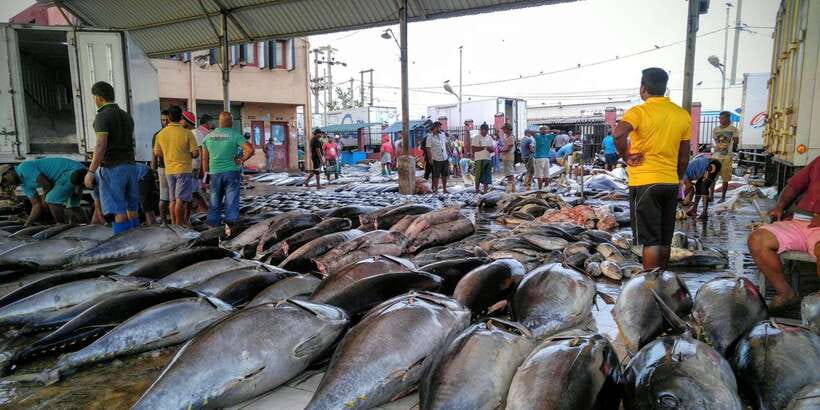
The first big stop is the Negombo Fish Market, and it’s easy to see why they start here. It’s where you get the daily pulse of the fishing community: activity, voices, and the constant flow that happens around fresh catch.
What to do here is simple. Don’t just watch from a distance. Look closely at how things are organized, and ask your guide what you’re seeing—fish, trading, and the “who does what” rhythm of the market day.
This stop also works well for photos, but manage your expectations. Markets move fast, and people have jobs to do. The best approach is to take a few quick shots, then shift into respectful observation.
If you love street-level travel and don’t mind a little noise and motion, this is the kind of first stop that sets the tone for the rest of the day.
Dutch Fort Remains and the Dutch Canal: Small Stops with Big Context
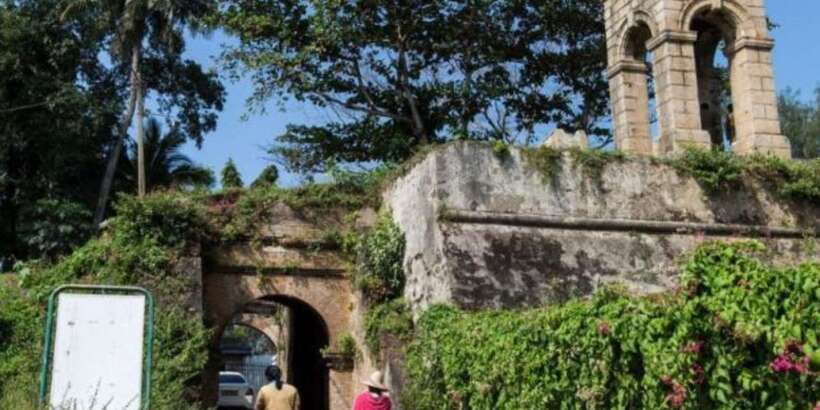
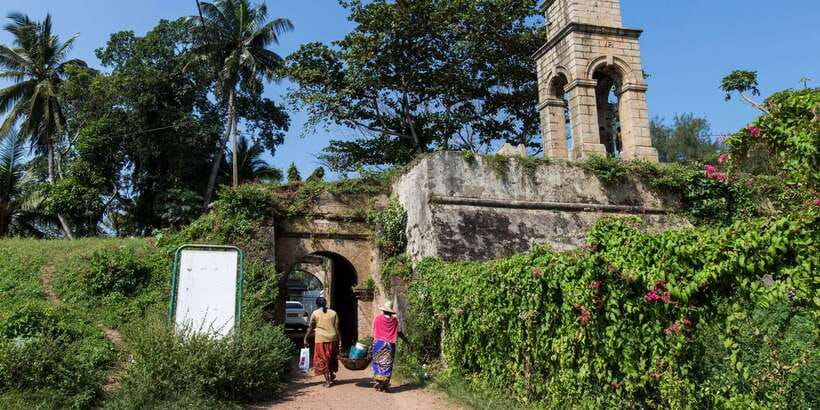
After the market, you head into the older layers of the region with the Dutch-era story. You’ll explore Dutch Fort remains and then visit the Dutch Canal, described as a transportation route used by the Dutch administration.
These stops are short compared to the market, but the payoff can be strong if your guide ties them together. You’re not looking at a single “wow” monument. Instead, you’re seeing how infrastructure shaped trade and movement in earlier times, which helps explain why Negombo developed the way it did.
What I like about this section is the balance. You get a break from the sensory chaos of the market, then you shift to concrete, physical reminders—canal lines, fort leftovers, and the sense of how water and shipping mattered.
If you care about history, this is where you’ll want to ask your most pointed questions. A guide who can explain the Dutch connection clearly makes these stops feel meaningful instead of random ruins.
Sri Singama Kali Amman Kovil: Hindu Art You Can Actually Notice
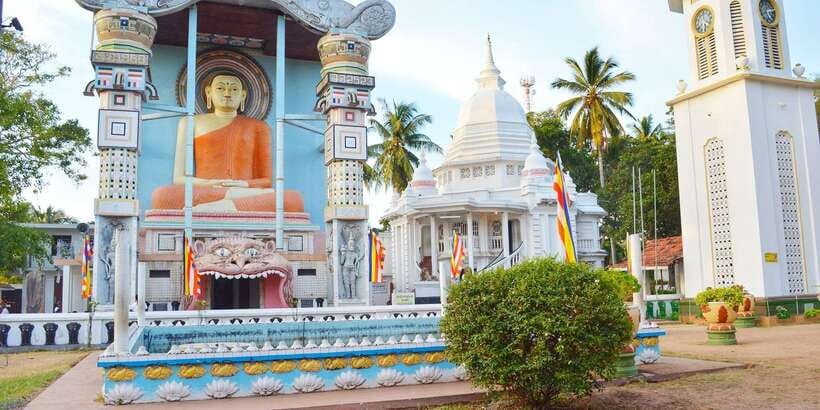
Next comes Sri Singama Kali Amman Kovil, an important Hindu temple known for striking murals and intricate sculptures. This is the kind of stop where a guide helps a lot, because the details can be easy to miss if you don’t know what you’re looking at.
Plan to slow down here. Spend a few minutes letting your eyes adjust to the patterns and figures. Then look for the craftsmanship: the way sculptures are layered and how murals hold multiple scenes in one area.
Also, take a quick look around before you start moving. Temple spaces often have rhythms—where people gather, how they circulate, and what areas look especially meaningful. You don’t need to act like you’re part of a ceremony, but you should respect the space and keep your movements gentle.
This is also one of the stops that supports the tour’s theme: it’s not only about scenery. It’s about religious and cultural architecture in the real world of Negombo.
Angurukaramulla Temple: Buddhist Heritage Over 300 Years Old
Then it’s Angurukaramulla Temple, described as a Buddhist site with over 300 years of heritage and impressive artwork. This is your second major religious stop, and it gives the day a nice contrast.
If the Kali Amman Kovil stop is about Hindu visual storytelling, Angurukaramulla is a reminder that Buddhist art and heritage aren’t “background details” here. They’re central, living aspects of the area’s identity.
Give yourself time to look. The artwork is the point, and temples are the kind of place where you get more out of a calm pace than a rush.
One practical note: bring a bit of patience. Temple stops usually mean you’re following a mix of open space, shaded areas, and respectful viewing. Even in a short tour, you want enough room to look without feeling pulled along.
St. Mary’s Church: A Big Catholic Landmark in the Middle of the Route
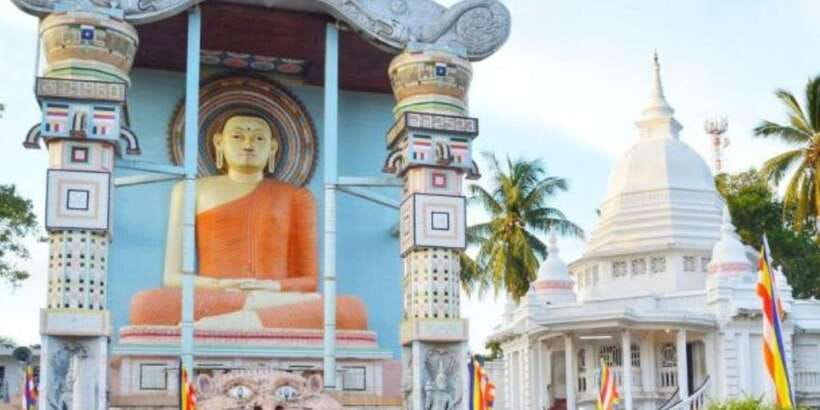
Later you’ll visit St. Mary’s Church, one of the largest cathedrals in Sri Lanka and a significant religious landmark. This stop is the “big scale” moment of the day.
Cathedrals like this tend to feel different from temples—less about intricate close-up sculpture (even when there is detail) and more about structure, space, and the way the building holds people. Even if you’re not religious, it’s worth stepping back and taking in proportions.
This stop also balances the day nicely: you’re not only seeing one faith tradition. You’re seeing how multiple communities share the same city footprint and how major religious buildings shape local landmarks.
If you’re the type who likes architecture, this is a strong inclusion. If you only want one or two sites, you might find this one adds extra value because it’s a change of scale and style.
The Sweet King Coconut Drink: Small Refreshment, Smart Timing
The tour ends with a refreshing sweet king coconut drink before your ride back to your accommodation. This is the kind of included refreshment that actually makes a difference on a warm day.
It’s also a helpful punctuation mark for the tour. You’ll likely have stood, walked, looked at art, and moved through market areas. A coconut drink gives you a moment to reset before you climb back into the tuk-tuk.
Because the coconut drink is part of the planned flow, I’d treat it as something to watch for. If your schedule is tight or you notice time running short, politely confirm you’ll still get the drink before heading back.
Time, Group Size, and Guide Quality: The Real Secret Sauce
The tour is designed for 4 hours, capped at 6 participants, with a live English-speaking guide. In practice, that combination can make a big difference—especially in places like fish markets and temples where questions matter.
Here’s the honest truth about guide-led days: if your guide actively explains what you’re seeing and stays with you through the stops, the tour feels like a story. If they mostly wave you along, the value drops fast because you’re left to interpret on your own.
So do this early:
- Ask one simple question at the first landmark and see how the guide responds.
- If history context is what you booked for, request it directly. A good guide will adjust.
Also, keep an eye on time. The official duration is 4 hours, but some days can feel compressed depending on how the stops unfold. If you want a full experience, don’t stack another major appointment immediately after pickup/drop-off time.
Price and Value: Is $45 Worth It?
At $45 per person, this isn’t a “cheap and cheerful” tour, and it also isn’t a luxury price. The value depends on what you’re getting included—and you are getting several key pieces:
- Tuk-tuk transport with hotel pickup and drop-off
- A live English-speaking guide
- Entry fees
- Refreshments during the ride (including the coconut drink)
For many visitors, the savings show up in time and convenience. You don’t have to arrange tuk-tuk rides between scattered sights or pay separate entry fees with separate tickets. And with a small group, you’re paying for the guide’s ability to connect the dots between market life, colonial-era leftovers, and religious landmarks.
Is it worth it? If you want a curated, guided “sampler” of Negombo in a few hours, yes. If you’re very independent and already comfortable building your own route, then it might feel pricey for what you’d pay in transport alone.
My take: this price makes more sense when you’re the type who enjoys asking questions and getting context—not just checking boxes.
Who This Tour Suits Best (and Who Might Prefer Another Plan)
This tour is a great match if you want:
- A short, focused introduction to Negombo beyond the beach
- A tuk-tuk day that blends market life with major temples and landmarks
- A small-group setting where you can ask questions in English
It’s less ideal if:
- You’re sensitive to market noise and activity at the fish market stop
- You need a perfectly controlled timetable with no flexibility at all
- You prefer to wander without a guide explanation
If you love cultural sites and everyday life scenes, you’ll probably enjoy the mix here. The day gives you variety without turning into an all-day marathon.
Should You Book This Negombo Fishing Village Highlights Tuk-Tuk Tour?
I’d book it if you want a compact overview of Negombo that actually moves—fish market first, then Dutch-era reminders, then temple stops, and finally a clear ending with a sweet king coconut drink.
Before you confirm, make one smart check: since the experience depends on the guide’s active participation, ask what your guide will cover at each stop (especially for the history parts). If you get clear answers, you’re likely set up for a great day.
If your main goal is photo stops with minimal explanations, you might still have fun—but the best value comes when you lean into the guide-led storytelling.
FAQ
How long is the Negombo Fishing Village Highlights private tour by tuk-tuk?
It runs for 4 hours.
Where are the pickup and drop-off locations?
Pickup and drop-off are available in Negombo and Waikkal.
Is the tour in English?
Yes, the live tour guide is English-speaking.
What’s included in the price?
Hotel pickup and drop-off, tuk-tuk transportation, a tour guide, entry fees, and refreshments during the ride.
Are meals included?
No meals are included.
How many people are in the group?
It’s a small group limited to 6 participants.