REVIEW · SVOLVAER
Svolvær: Fishing Trip on the Lofoten Sea
Book on GetYourGuide →Operated by RIB Lofoten · Bookable on GetYourGuide
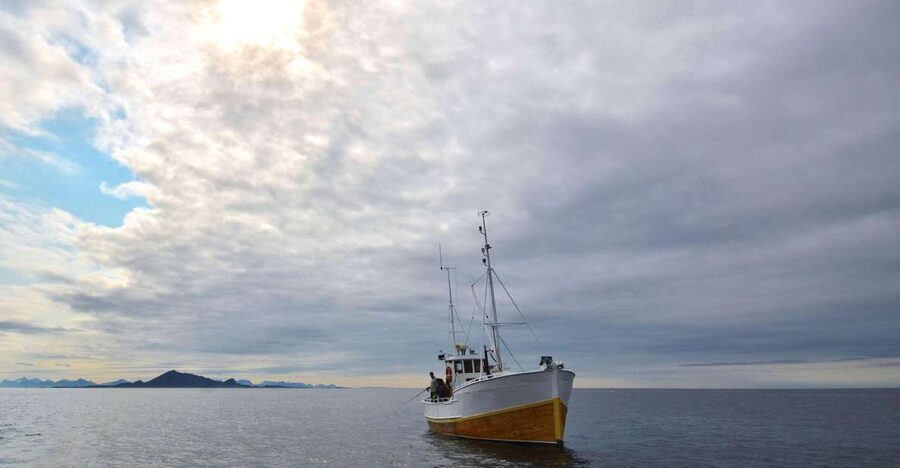
Lofoten fishing is pure hands-on theater. Out on the Lofoten Sea from the traditional MS Luna, you get real coaching, real lines-in-the-water time, and those dramatic Lofoten views that make even a first cast feel like a small adventure. I especially like the setup: a small group (up to 12) with enough rods and room for everyone to actually fish.
I also like that beginners are taught without feeling rushed. You get safety gear, a security briefing, and the captain handles the hard part—finding good spots—while you focus on catching. One thing to consider: there is no food served onboard, so if you want a full meal, plan to bring your own.
In This Review
- Key highlights worth planning for
- From Torget to the Lofoten Sea: what the 3-hour trip feels like
- MS Luna and the small-group advantage (12 people, enough rods)
- Safety first, then fishing: gear, briefing, and how you learn fast
- What species you might catch in summer (and what that means for you)
- Views and wildlife: the Lofoten “bonus content” you might see
- Taking your catch home: how dinner changes the value
- Price and value: is $107 per person worth it?
- Who should book this trip (and who might skip it)
- Practical tips to make your fishing day smoother
- Should you book the Svolvær fishing trip on the Lofoten Sea?
Key highlights worth planning for
- Up to 12 people: enough space on a classic fishing boat to fish comfortably
- Beginner-friendly lessons with a captain who puts you on fish
- You keep your catch to take home for dinner
- Coffee and tea included during the 3-hour trip
- Wildlife sightings possible, from sea eagles to whales (timing varies)
From Torget to the Lofoten Sea: what the 3-hour trip feels like
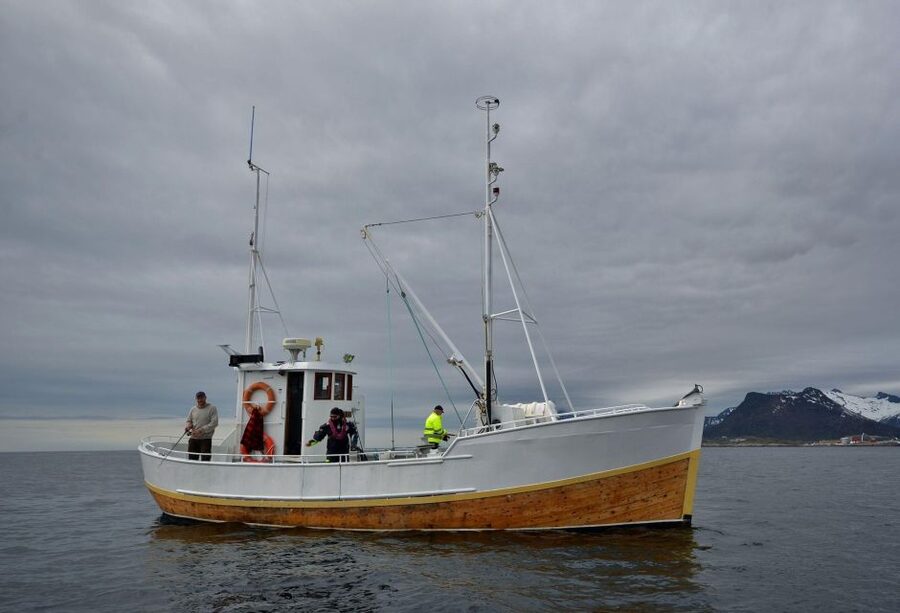
Your trip starts in Svolvær, at the meeting point by the RIB Lofoten office in the main square, Torget. From there you head out on a traditional northern Norwegian fishing boat, MS Luna, for about 3 hours on the water.
This is the kind of experience where the time passes quickly because you’re not just watching. You’re learning, casting, and reacting to what’s happening under the surface. The schedule is short enough that it doesn’t drag, but long enough that you’ll likely get multiple chances once the captain finds active water.
I like that the trip is paced around action. With a smaller group, you spend less time waiting for your turn and more time actually fishing. That’s a big deal when you’re new—because the learning curve is real, and the only way it clicks is by doing.
You can also read our reviews of more tours and experiences in Svolvaer.
MS Luna and the small-group advantage (12 people, enough rods)
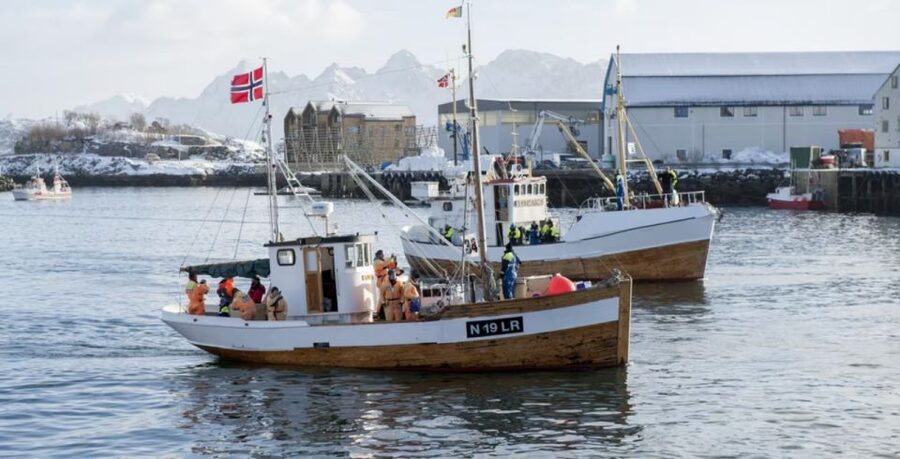
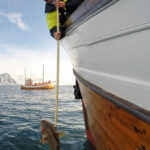
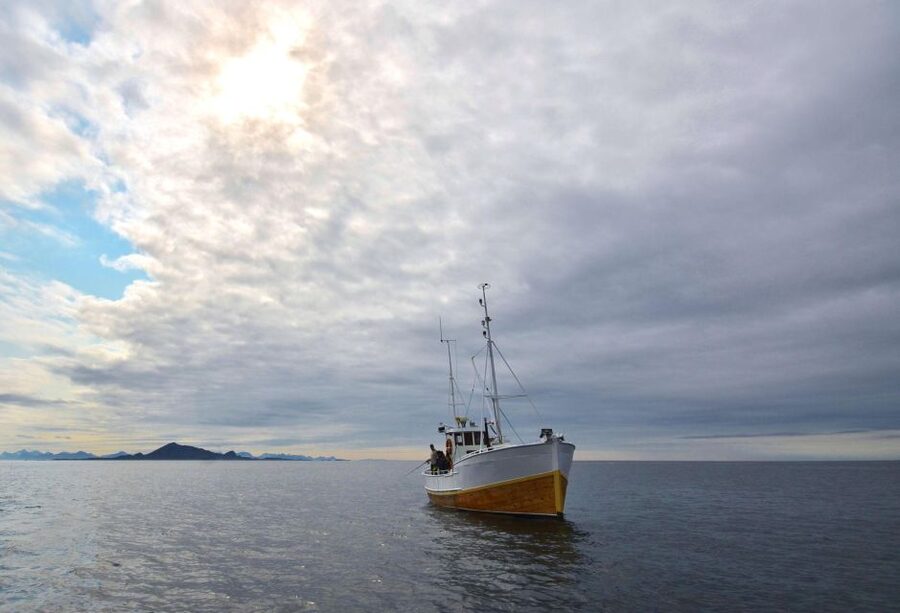
On MS Luna, you’re on a real work-style boat rather than a modern party craft. That matters because traditional boats often feel simpler and sturdier—built for practical use, not just sightseeing.
The experience runs with a maximum of 12 people, which keeps things personal. More importantly, it means you’re not squeezed into one tight fishing zone. The trip also includes a fishing rod for each participant, so you won’t end up sharing gear or watching from the sidelines.
There’s also practical comfort baked in. If you get cold, you can stay inside the cabin to warm up. And yes, there’s a toilet on board, which you’ll appreciate once you’re out on the water and it’s time to settle in.
This is one of those trips where the boat and the group size work together. If you’re hoping for a “everyone catches something” vibe, the small setup is doing the heavy lifting.
Safety first, then fishing: gear, briefing, and how you learn fast
This trip takes safety seriously and gives you the basics to feel secure. You’re equipped with a life jacket and warm flotation suit, plus you get gloves. Before you start, there’s a security briefing, and a professional guide helps with the fishing class.
What you’re really paying for is the coaching. Fishing can be intimidating if you’ve never done it, but the plan here is to teach the basics and help you fish in a safe way—not just hand you a rod and wish you luck.
In the spirit of how these trips are run, the captain actively manages the situation: moving the boat to find good fishing spots. That approach matters because fishing is about location and timing, not just skill. When the boat is positioned well, beginners tend to get results faster—and that confidence boost changes the whole mood of the trip.
If you want a concrete example of what “good coaching” can look like, one write-up highlights a first-timer getting a fish within about a minute, credited to the captain’s fish-finding. Another mentions the captain keeping the boat moving so the group stayed on productive water.
What species you might catch in summer (and what that means for you)
The Lofoten Sea is known for fish, and the trip is designed around that. Depending on the season, you might catch species such as:
- Pollock
- Haddock
- Mackerel
- Coastal cod
It can also be possible to catch tusk, sole, flounder, or halibut (availability can vary). The key point is not that you’re guaranteed a specific fish—it’s that the area gives you a realistic chance at something substantial.
For your trip planning, think of this as a “try your luck with variety” experience. If you catch anything, you’ve succeeded. If you catch a bigger or more unusual species, that’s an added bonus.
And there’s a practical upside: because you can take the fish home, the species you pull up directly affects what dinner turns into. You’re not just catching for the photo.
Views and wildlife: the Lofoten “bonus content” you might see
Fishing is the main event, but Lofoten doesn’t let you forget where you are. You’re surrounded by dramatic mountains that rise straight into the sea, plus idyllic bays and chalk-white sandy beaches along the coastline.
The trip also includes stories and legends about fishing in Lofoten. That adds context without turning the outing into a lecture. It helps you connect the day’s action—casting, hauling, cleaning—to why this region has such a strong fishing culture.
If you’re lucky, you may also see wildlife. The trip can include sightings of sea eagles, whales, porpoises, sharks, and seals. In summer, this kind of wildlife encounter is often what makes people talk about the day long after they’ve forgotten the exact weight of the fish.
One write-up describes a whale family appearing close to the boat, turning the trip into a rare wildlife moment on top of the fishing. Another notes a sea eagle sighting along with a strong catch rate.
Just keep expectations flexible: wildlife shows up when it wants to.
Taking your catch home: how dinner changes the value
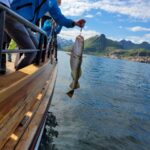
A big reason this trip earns strong marks is simple: you get to keep the fish you catch and bring it home for dinner.
That turns fishing from a hobby into a meal plan. Some reports mention catching enough fish to feed multiple people for several meals, which is a strong indicator of value. Even if your catch is smaller than that, bringing home fresh fish is still a tangible payoff.
Two practical realities to keep in mind:
- The trip is about fishing success, but fish behavior changes. Your “how much you catch” will vary with conditions and captain positioning.
- Since no food is served onboard, your dinner plan is on you. If you want to eat immediately after, you’ll likely be arranging that part onshore.
If you’re traveling with food on your mind, this is one of the better ways to turn Lofoten into more than a sightseeing stop.
Price and value: is $107 per person worth it?
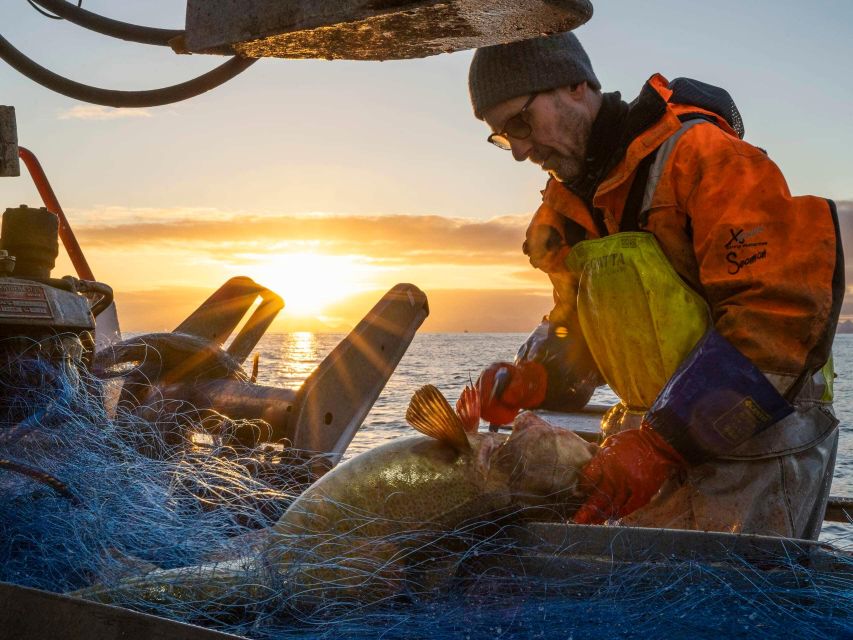
At about $107 per person for roughly 3 hours, this isn’t an impulse bargain. You’re paying for a full guided fishing experience: boat time on the Lofoten Sea, gear (rod, gloves, life jacket, warm flotation suit), instruction, and the chance to take fish home.
Where the value shows up is in outcomes and logistics:
- Small group size (up to 12) helps everyone fish.
- Beginner instruction reduces the chance you feel lost.
- You keep your catch, which changes the economics of the trip. It’s not just a tour; it’s food you can bring home.
Some people also compare pricing between channels at the meeting point and online and notice differences. If you’re the kind of traveler who likes to hunt for the best deal, it can feel annoying. Still, the overall value case is strongest when you actually land a good haul—because that fresh fish payoff is the difference-maker here.
If your goal is pure fishing, and you’re okay with paying for guided access to productive water, the price feels aligned with what you’re getting.
Who should book this trip (and who might skip it)
This is a great fit for:
- First-time fishers who want instruction, not intimidation
- People who want hands-on time rather than passive sightseeing
- Travelers who like the idea of catching food to take home
- Anyone who enjoys small-group tours and doesn’t want to fight for space
It might not be ideal if:
- You want a meal included (since there’s no food served onboard)
- You need wheelchair accessibility (the trip isn’t suitable for wheelchair users)
- You’re traveling with very young kids (it’s not suitable for children under 4)
If you’re a casual visitor who wants “something short and memorable,” this can hit the sweet spot. Three hours is a manageable commitment, and it gives you a story that’s more than just scenery.
Practical tips to make your fishing day smoother
Even with the gear provided, you’ll have a better time if you show up ready for a cold-and-windy environment on open water. Think warm layers you can move in, and clothes you don’t mind getting damp.
Also, plan your energy. Fishing involves waiting, focusing, and then acting fast when a line moves. If you bring snacks or a simple meal plan for after (since onboard food isn’t provided), you’ll be happier once you’re back in Svolvær.
And lastly, go with a “learn first, catch second” mindset. The captain’s job is to find fish, but your job is to follow instructions and keep trying. That’s how first-timers turn into people who remember every detail of their own success.
Should you book the Svolvær fishing trip on the Lofoten Sea?
Book it if you want a real guided fishing experience with small-group attention, beginner coaching, and the chance to bring home fresh fish. The combination of up to 12 people, rods for everyone, and a captain who helps you stay on productive spots makes it a strong choice for both novices and experienced anglers.
Skip it if you’re mainly after a sit-back sightseeing cruise or if you need food included on board. Also, if mobility constraints or young-child limits affect your group, check suitability before you plan your day.
If you’re in Svolvær and you want one outing that feels active, personal, and genuinely Lofoten, this is a very solid bet.