REVIEW · SVOLVAER
Lofoten: Traditional Fishing Trip
Book on GetYourGuide →Operated by XXLofoten · Bookable on GetYourGuide
Fish for dinner, with real sea legs. This Lofoten traditional fishing trip on MS Symra turns a normal boat ride into hands-on work—line-wheel fishing, crew guidance, and real island life in Nordland County. I love that you’re not just watching; you’re actively catching your own fish, then getting help to handle your catch the right way.
I also like the practical, in-the-moment learning: a quick intro to the fishing gear, plus onboard instruction on filleting. Your experience should feel low-stress and doable even without any fishing background. One thing to keep in mind: what you catch depends on season and conditions, so your haul might be mixed.
In This Review
- Key Things I’d Pay Attention To
- Catching Your Own Fish on MS Symra in Lofoten
- What a Traditional Line-Wheel Trip Changes for You
- Before You Cast: Gear Intro and Safety You Can Trust
- The Fishing Block: Crew Guidance, Station Time, and Real Luck
- Fillet Lesson Onboard: Turning Your Catch into Lunch
- What You Might Catch in Different Seasons (and Why It Matters)
- Rain or Shine Weather Reality in Lofoten
- Group Size and the Crew Stories That Make It Feel Like Life
- Price and Value: What $146 Gets You (and What It Doesn’t)
- Who This Trip Fits Best
- Things to Plan Before You Go
- Should You Book This Lofoten Traditional Fishing Trip?
- FAQ
- How long is the Lofoten traditional fishing trip?
- Where does the trip take place?
- What boat is used for the fishing trip?
- Is fishing experience required?
- How many people are in the group?
- What fishing gear is provided?
- Are boots included in the price?
- Is food included?
- What should I wear?
- What is the cancellation policy?
Key Things I’d Pay Attention To
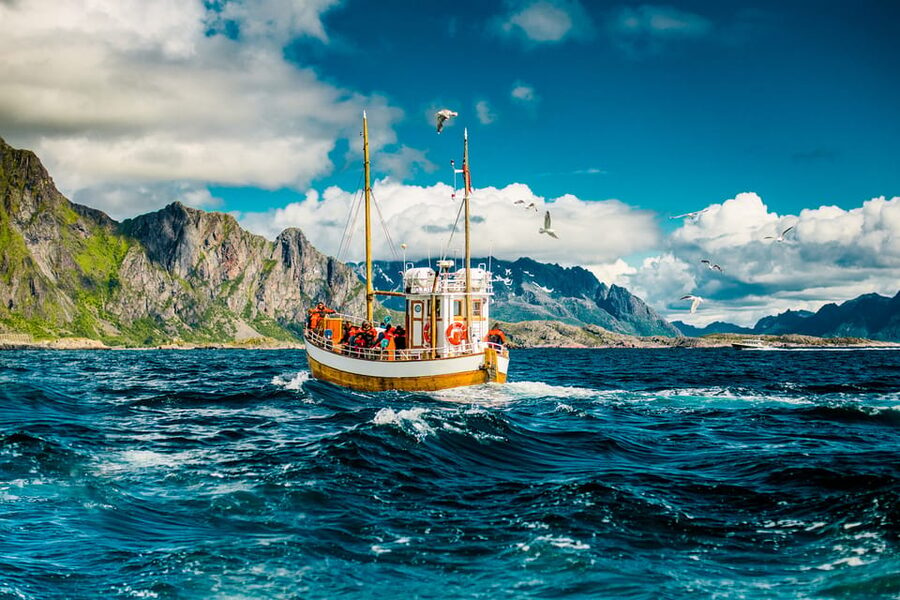
- MS Symra fishing boat: a traditional setup where you work a line-wheel from onboard.
- 10 fishing stations: shared space, so you rotate or fish alongside another guest.
- Catch-to-plate lesson: learn how to fillet on the vessel.
- Seasonal fish variety: skrei (cod) in some seasons, plus mackerel, coalfish, haddock, and coastal cod.
- Small group size: limited to 10 participants for more hands-on crew attention.
Catching Your Own Fish on MS Symra in Lofoten
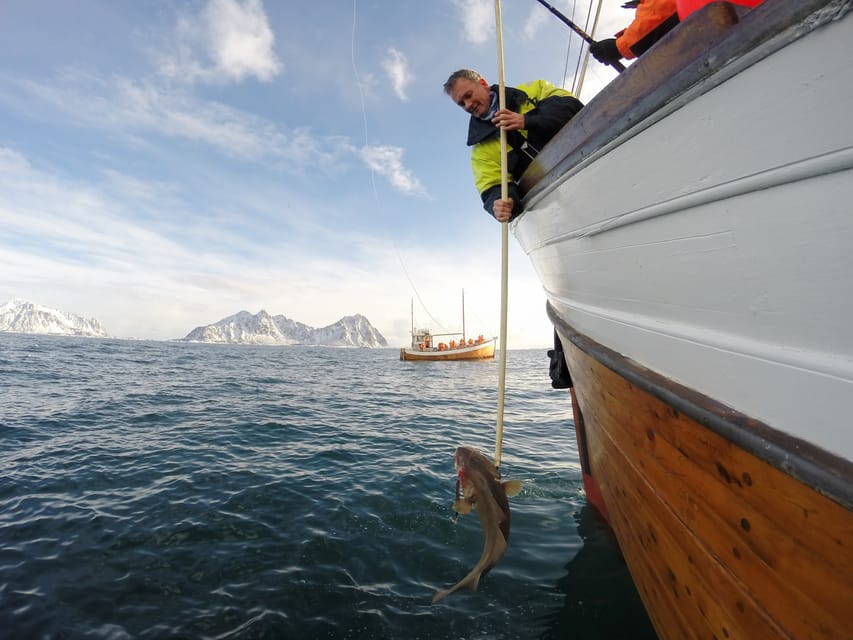
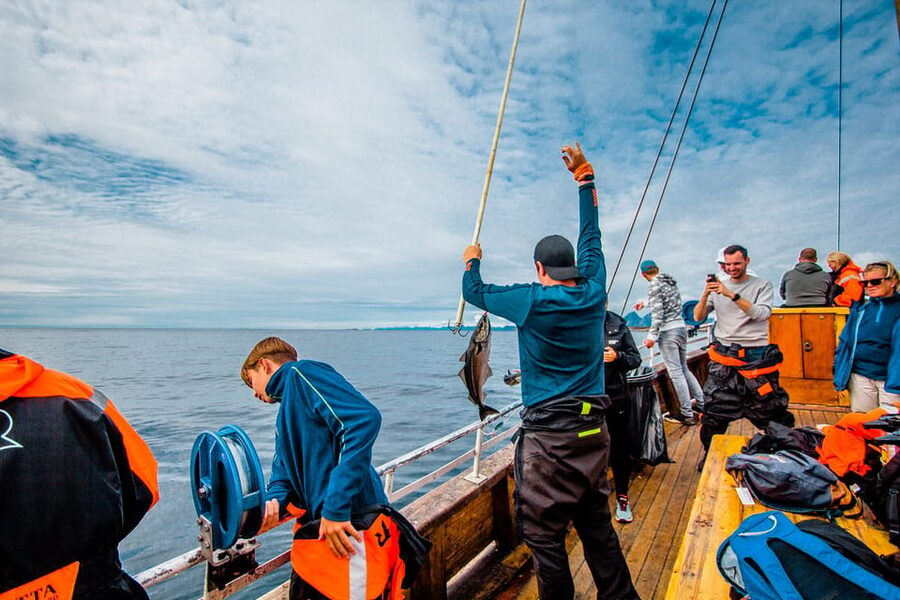
This is the kind of Norway experience that feels simple in the best way: you get onto a traditional fishing vessel and you fish. Not from a pier. Not from the shore with a line you barely trust. You’re doing it properly, with an experienced crew and fishing kit provided.
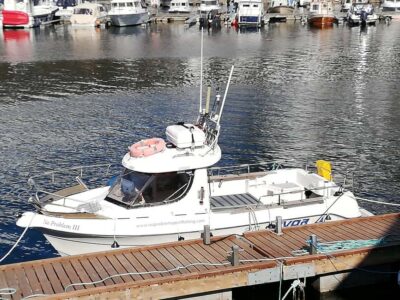
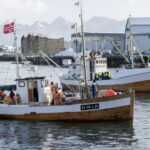
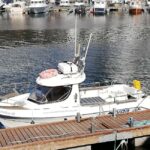
MS Symra is the centerpiece here. It’s set up like working fishing gear, which changes the whole vibe. Even if the sea is doing its own thing, the trip is built around getting you into the rhythm of line fishing—learn the tools, cast or set your line the way the crew expects, then focus on your catch.
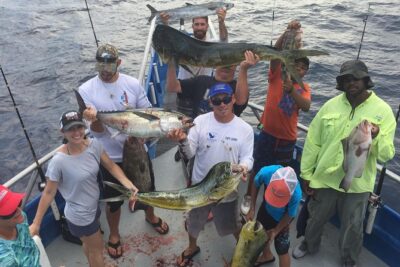
And yes, the goal is very clear: you catch fish yourself. Depending on the season, you may land classic Lofoten species like skrei (traditional cod), along with options such as mackerel, coalfish, haddock, or coastal cod. The exact mix isn’t guaranteed, but the fishing method and the hands-on instruction are.
You can also read our reviews of more tours and experiences in Svolvaer.
What a Traditional Line-Wheel Trip Changes for You
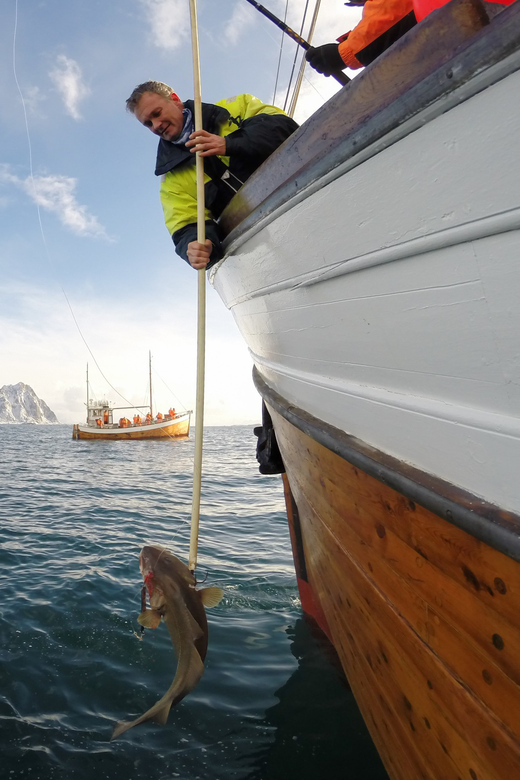
A line-wheel trip isn’t just a gimmick. It’s a practical way of fishing that fits the culture of the Lofoten Islands. You’ll work from one of the boat’s fishing stations, using a wheel and line setup rather than “casual tourist” casting.
Here’s what that means for you:
- You spend more time actively fishing than standing around.
- The crew can guide you directly with the gear you’ll actually use.
- The onboard layout matters, since there are 10 fishing stations and you’ll share your station setup with another guest.
That last point is a real factor. Sharing space can be totally fine if you’re flexible and ready to work with another person, but if you’re hoping for total personal space and nonstop one-on-one instruction, you may find the shared setup a bit more crowded than you expected.
Before You Cast: Gear Intro and Safety You Can Trust
Your trip starts with a brief introduction to the fishing tools and equipment onboard. That matters more than people think. If you’ve never handled the gear, it’s easy to feel slow or lost. Here, you get the basics so you’re not guessing while the boat is moving and the crew is busy.
Safety equipment is included, and you’re guided by an English- and Norwegian-speaking crew. The instruction style is important because you’re learning in real conditions—weather, motion, and all that Norwegians quietly accept as part of the day.
No fishing experience is required. That doesn’t mean it’s effortless. It does mean you can arrive as a first-timer and still understand what to do.
The Fishing Block: Crew Guidance, Station Time, and Real Luck
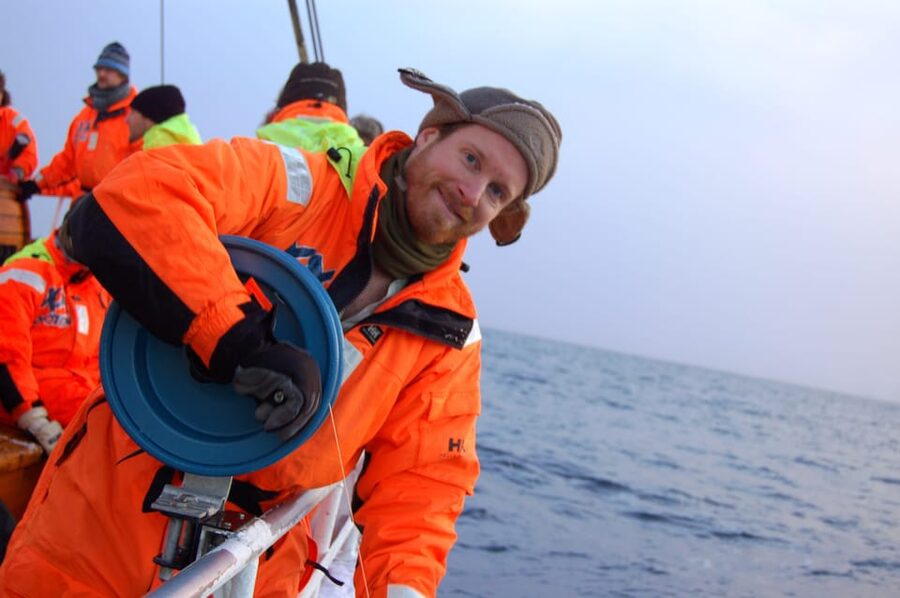
Once you’re set up, you fish. Your crew provides professional guidance during the trip, and they also bring the human side of Lofotfisket through stories and anecdotes. That’s a big part of why this doesn’t feel like a “check the activity” tour.
Your best results will come from doing three things:
- Listen early to how the crew wants the line handled.
- Stay patient during the quieter moments. Fishing is often more waiting than action.
- Treat every catch as a learning moment—how you respond matters as much as luck.
About catch expectations: some people end up with a very good catch, others get different species than they hoped for. I’ve seen how the same trip can produce a memorable haul one day and a more limited mix another. That doesn’t mean the experience is bad—it means the sea decides some of the outcome.
Fillet Lesson Onboard: Turning Your Catch into Lunch
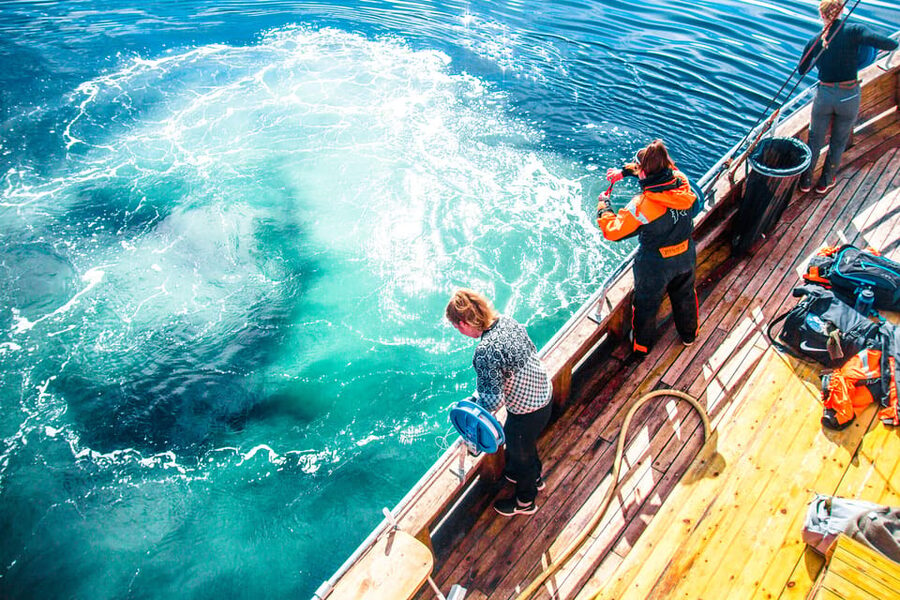
After you catch your fish, you learn how to fillet onboard. This is one of the most valuable parts of the trip because it turns your catch into something usable right away.
Being taught to fillet on the boat makes the process feel connected to the fishing. You’re not just getting fish handed to you. You’re learning a skill with the context still fresh—what the fish looks like, how it’s handled, and the basic steps to prepare it.
If you want, you can take your catch home. That’s a big deal for value. You’re paying for a whole experience, but you’re also potentially going home with food you helped catch and prepare.
What You Might Catch in Different Seasons (and Why It Matters)
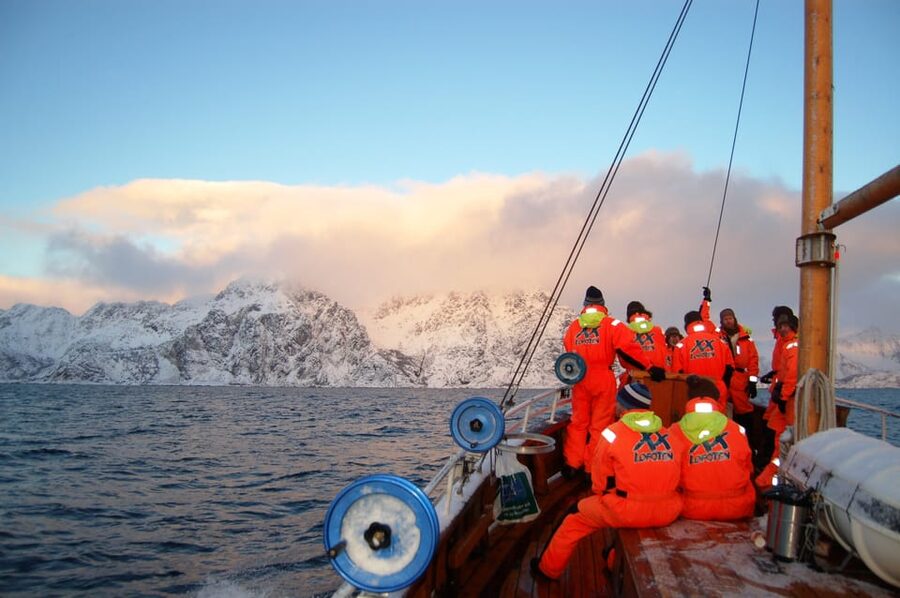
The trip is seasonal, so the species list gives you a sense of what’s possible. Depending on the time of year, you could catch things like:
- skrei (traditional cod, in the right season)
- mackerel
- coalfish
- haddock
- coastal cod
This is where your decision-making should be realistic. If you’ve got a mental picture of landing one specific fish, build in flexibility. The sea doesn’t promise a menu.
Still, this seasonal fish variety is exactly what makes Lofoten fishing experiences feel authentic. You’re not doing the same “tour fish” every time. You’re participating in a real seasonal rhythm—part of why the crew stories and island culture angle work so well here.
Rain or Shine Weather Reality in Lofoten
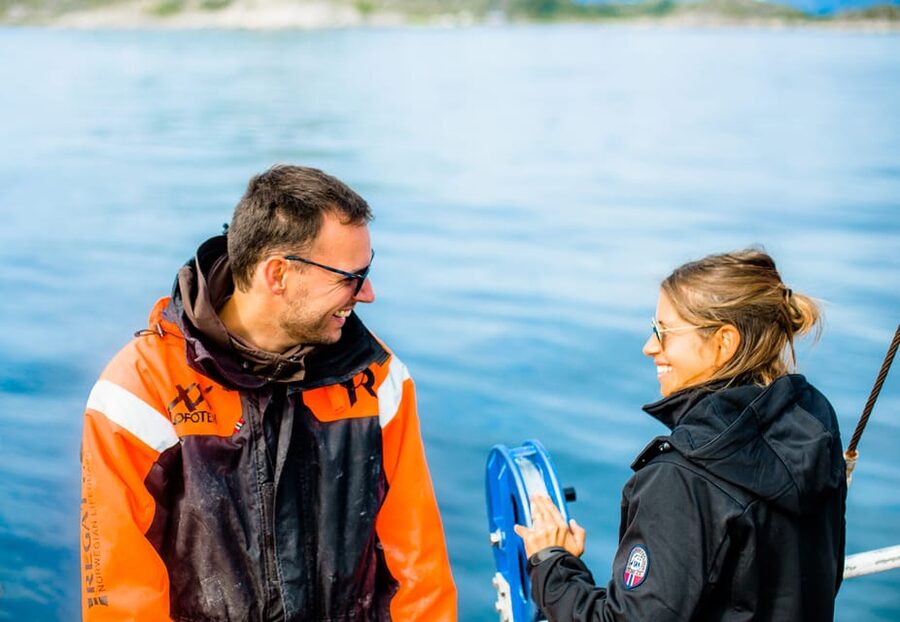
This trip runs rain or shine, but conditions can affect operations. So plan for the fact that Lofoten weather can change quickly. The important piece for you is to dress for cold, wet, and wind, not just “mild Norway summer.”
Wear warm clothing with thermal underlayers. You’ll be onboard and working in the elements, so comfort affects everything: focus, patience, and how much you enjoy the experience.
Boots aren’t included. You can rent boots on-site, so if you don’t already have waterproof gear that you trust, plan for that. For clothing, prioritize warmth first, then waterproof layers.
Group Size and the Crew Stories That Make It Feel Like Life
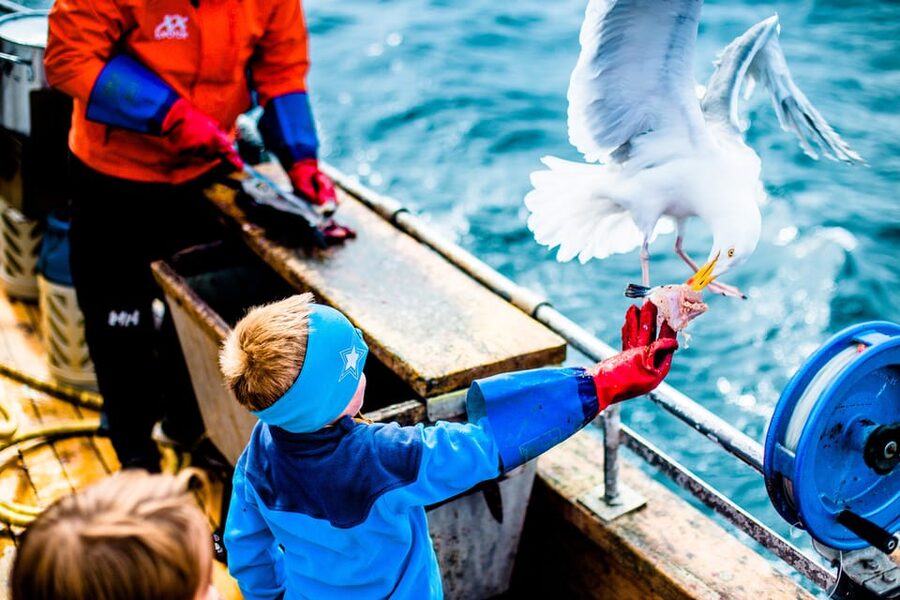
The group is small—limited to 10 participants. That’s not just a comfort detail. It makes the trip more workable. The crew can explain gear basics without turning it into a lecture, and there’s enough space on the boat to keep things moving.
You also get stories and anecdotes during the trip, which helps you connect the activity to the place. Fishing in Lofoten isn’t just about catching fish. It’s about routines, tools, and knowledge that get passed along.
You should expect instruction in both English and Norwegian. If you speak either language, you’ll get the most out of the tips. If you speak neither, it’s still doable because the crew guidance is practical and tied to what you’re doing right then.
Price and Value: What $146 Gets You (and What It Doesn’t)
At about $146 per person for 4 hours, you’re paying for a hands-on fishing experience with key inclusions:
- fishing kit
- safety equipment
- experienced crew guidance
What you’re not getting:
- boots (rental is available on-site)
- food
Here’s how I’d think about value. You’re not paying for scenic views alone—you’re paying for equipment, safety, instruction, skill-building (filleting), and the chance to take your catch home. Even if you end up with a smaller haul than you hoped, the skill piece and the catch-and-cook idea usually keep the day meaningful.
Food is not included, but you can bring your own. If you treat this like a working activity in the cold, having your own simple plan for later (and maybe a warm snack) can make the whole outing feel easier.
Who This Trip Fits Best
This activity is a strong match if you want:
- a hands-on fishing experience rather than a viewing tour
- guidance that helps first-timers
- a learn-and-do format, including filleting
- a small-group setting on a real boat
It’s less ideal if you have mobility impairments. The trip is not suitable for that, so don’t assume “it’s only four hours” means it’s easy on the body.
It’s also a good fit for people who like nature and culture, because the crew stories add meaning to the fishing technique. You’ll leave with more than a photo—you’ll leave knowing how the process works.
Things to Plan Before You Go
A few practical notes will save you stress:
- Bring warm clothing and thermal underlayers.
- If you don’t have waterproof boots, you’ll need to arrange rental on-site.
- Expect rain or shine. Pack for wet and cold conditions.
- If you like eating later without improvising, bring your own food since it isn’t included.
Also note the small rule set: pets aren’t allowed, though assistance dogs are allowed.
Should You Book This Lofoten Traditional Fishing Trip?
Yes—if you’re the type of person who likes doing instead of just watching. You’re paying for fishing instruction, a chance to catch fish yourself, and a filleting lesson onboard, which is a rare combo for a short trip.
If you’re booking with very specific fish expectations, go in with a flexible mindset. Some days will be better than others, and the species you land can vary by season.
One last check: if cold, wet boat time sounds miserable to you, you might want to rethink it. If you can dress for the weather and stay patient, this kind of traditional fishing experience is exactly the sort of thing that makes Norway feel real.
FAQ
How long is the Lofoten traditional fishing trip?
It lasts 4 hours.
Where does the trip take place?
It operates in Nordland County, Norway, in the Lofoten Islands area.
What boat is used for the fishing trip?
The trip is on the MS Symra.
Is fishing experience required?
No fishing experience is required.
How many people are in the group?
The group is limited to 10 participants.
What fishing gear is provided?
A fishing kit is included, along with safety equipment.
Are boots included in the price?
No. Boots are not included, but you can rent them on-site.
Is food included?
Food is not included. You are welcome to bring your own food on the tour.
What should I wear?
Bring warm clothing with thermal underlayers. The trip runs rain or shine.
What is the cancellation policy?
Free cancellation is available up to 24 hours in advance for a full refund.